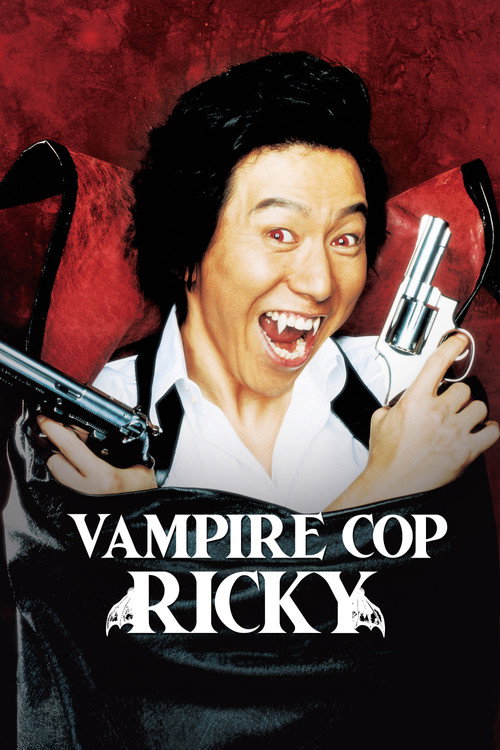
Vampire Cop Ricky
2006
No user ratings available yet
Representation score: 3.6 out of 10
Representation Score
Limited
1991
Director
Andrew Lau Wai-Keung
Runtime
88 minutes
Average Rating
No ratings yetNew Showbiz Analysis
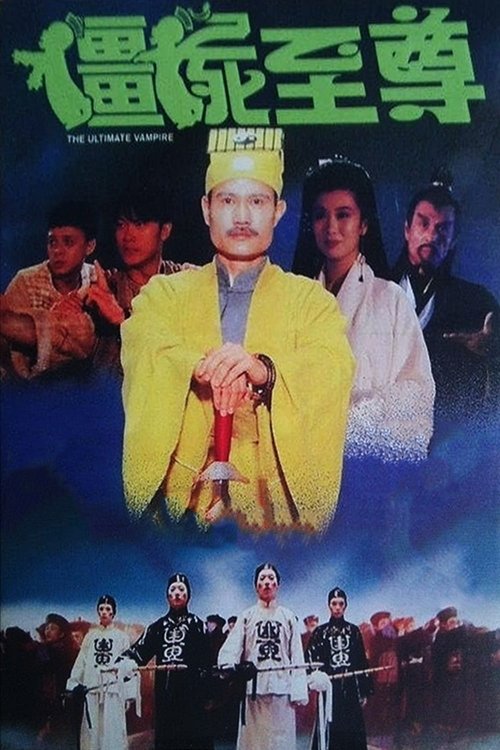
The Ultimate Vampire functions as a traditional genre piece that emphasizes supernatural elements and folklore over social critique. The narrative relies on established clichés, such as traditional romantic structures and spiritual hierarchies, to advance its plot. While the film offers a culturally specific portrayal of Taoist traditions, it does not seek to challenge systemic power dynamics or incorporate diverse identities. Character roles largely conform to conventional gender and social structures typical of the era's genre cinema.
Category Breakdown
The film centers on heterosexual romantic relationships, such as the connection between Wanchai and the spirit Li. It does not explore non-traditional gender identities or challenge traditional romantic structures.
The plot is driven by male characters and their interactions. Female characters like Li and Charleston play important roles but are mainly defined by their relationships with male protagonists.
The film showcases a predominantly East Asian cast and setting, emphasizing Taoist traditions specific to the region. It does not pursue a multicultural or color-blind casting approach.
The story is deeply rooted in Taoist spiritualism and rituals. It emphasizes traditional moral boundaries and spiritual hierarchies without challenging religious institutions.
The narrative focuses on supernatural conflicts and physical combat. It does not include characters with disabilities or diverse physical conditions.
Present on Screen
Limited or Absent
Official Synopsis
On July 15, the Ghost Gate opens and spirits wander the world. Taoist master Uncle Chiu prepares rituals, but his disciple Wanchai sneaks off to a ghost play and is charmed by the wandering spirit Li. Charleston goes to save him, but also falls for her, and together they unleash the ghosts. To set things right, Uncle Chiu calls on his colleague, Master Kin, but trouble grows when Wanchai and Charleston accidentally kill Kin’s corrupt disciple, who turns out to be his secret son. Kin resurrects him as a bloodsucking vampire to seek revenge.
2006
1985
1989
1991
1993
2003
1989
1989
No reviews yet. Be the first to share your thoughts on this movie!
Use the rating form above to leave a star rating and optional review.