
C.H.O.M.P.S.
1979
No user ratings available yet
Representation score: 0.8 out of 10
Representation Score
Limited
2003
PGDirector
George T. Miller
Runtime
95 minutes
Average Rating
No ratings yetNew Showbiz Analysis
Cybermutt opens with a grainy, low-budget aesthetic that mimics found footage, establishing a gritty suburban decay before shifting into color. This visual shift mirrors the film’s central argument: the corruption of the natural by the artificial. The story centers on Alex, a weary, competent white male played by Judd Nelson, who becomes the moral anchor in a world where technology is treated as a grotesque violation of the body. The camera lingers on his face during moments of quiet reflection, marking him as the "holy" figure who sees the truth, while Juliet, played by Michelle Nolden, is given beauty lighting that signals her role as the reward for his endurance. The film’s sold meaning is a celebration of primal, human resilience over technological enhancement. The "cyber" elements are portrayed as unnatural and hollow, contrasting with the "natural" humanity of the leads. This framing treats the natural body as the unmarked ideal, while modifications are depicted as a form of bodily corruption. The ending rewards isolation and self-reliance, with Alex standing in a desolate, overgrown landscape, suggesting that the true survivor is the one who rejects artificial enhancement. However, the film’s internal logic is thin. It critiques the technocratic elite without challenging the traditional gender roles it reinforces. Alex is the competent male who solves the problem, while Juliet is the moral center who keeps him human but does not perform the primary physical labor. The film’s argument for natural resilience is undermined by its reliance on a traditional family unit and earned competence as unmarked goods. The last image, with Alex alone in the overgrown suburb, is a moral verdict that values individual survival over community or institutional help, but it does so without questioning the gendered and racial hierarchies that underpin its definition of "natural" humanity.
Category Breakdown
The narrative relies on a strictly heterosexual romantic dynamic between Alex and Juliet. No queer characters or themes are depicted in the film.
Alex functions as the competent male anchor who solves the crisis, while Juliet serves as the moral center. The dynamic reinforces traditional gender roles where the man acts and the woman validates.
The cast is predominantly white, with Tonio Arango appearing as a supporting figure. Non-white characters lack narrative depth or agency in the central conflict.
The film critiques technological overreach and suburban decay, valuing natural human resilience. It treats the family unit and earned competence as unmarked goods without challenging broader institutional structures.
Cybernetic modifications are framed as grotesque violations of the natural body, positioning enhancement as a curse. This treats bodily alteration as a negative marker rather than a neutral or positive choice.
Present on Screen
Limited or Absent
Official Synopsis
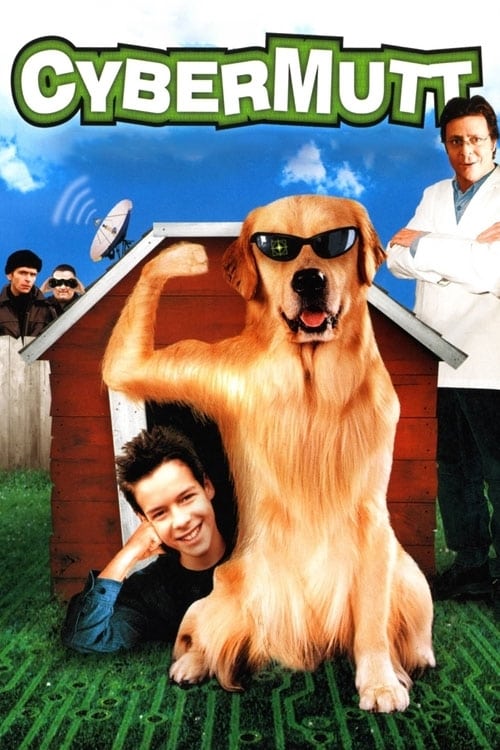
When Rex, a good-natured Golden Retriever, is given bionic super powers by an eccentric scientist, he becomes the target of an evil genius determined to possess the new technology at any cost.
1979

2007

1997

1988

2005

1986
2004

2005
No reviews yet. Be the first to share your thoughts on this movie!
Use the rating form above to leave a star rating and optional review.