Flora & Ulysses
2021
No user ratings available yet
Representation score: 5.5 out of 10
Representation Score
Limited
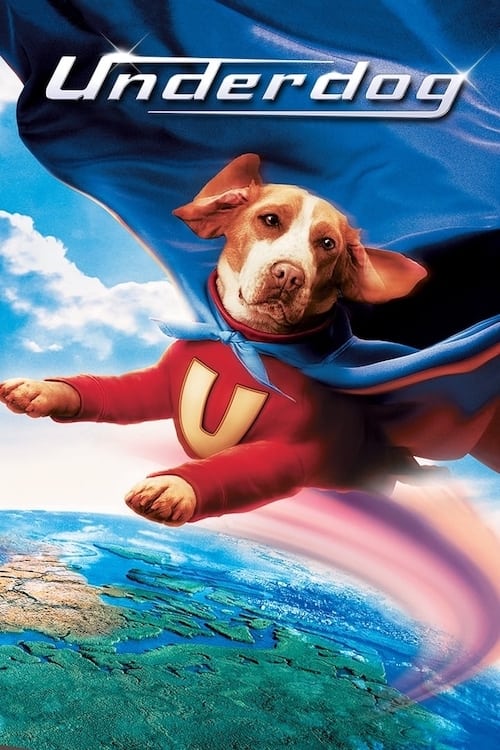
2007
PGDirector
Frederik Du Chau
Runtime
84 minutes
Average Rating
No ratings yetNew Showbiz Analysis
Underdog follows a traditional hero's journey that prioritizes genre-specific entertainment over social representation. The narrative structure is built on classical storytelling clichés, focusing on the binary struggle between heroism and villainy. The film operates within a standard framework that does not seek to disrupt established social, gender, or cultural hierarchies. It relies on anthropomorphic metaphors to drive the plot, which bypasses deeper discussions of identity. Ultimately, the film adheres to mid-2000s animation conventions, favoring a universal, moralistic framework over multi-layered depth or the deconstruction of systemic norms.
Category Breakdown
The film does not feature any visible LGBTQ+ characters or narratives. The relationship dynamics center around a conventional straight relationship between the dog and his owner.
Gender roles in the film align with typical industry archetypes. A female news reporter appears, but her role is functional rather than a vehicle for challenging traditional hierarchies.
The cast reflects a homogeneous urban environment. The film does not utilize diverse ethnic backgrounds or race-bent casting as a central narrative component.
The story relies on a traditional Western moral binary of good versus evil. It reinforces conventional values regarding power and order without critiquing Western institutions.
There is no significant depiction of visible or invisible disabilities. Superpowers are used as a fantasy cliché rather than an exploration of lived physical or neurodivergent experiences.
Present on Screen
Limited or Absent
Official Synopsis
A lab accident gives a beagle named Shoeshine some serious superpowers -- a secret that the dog eventually shares with the young boy who becomes his owner and friend.
2021

2005
2021
2011

2005

1995
2003
2005
No reviews yet. Be the first to share your thoughts on this movie!
Use the rating form above to leave a star rating and optional review.