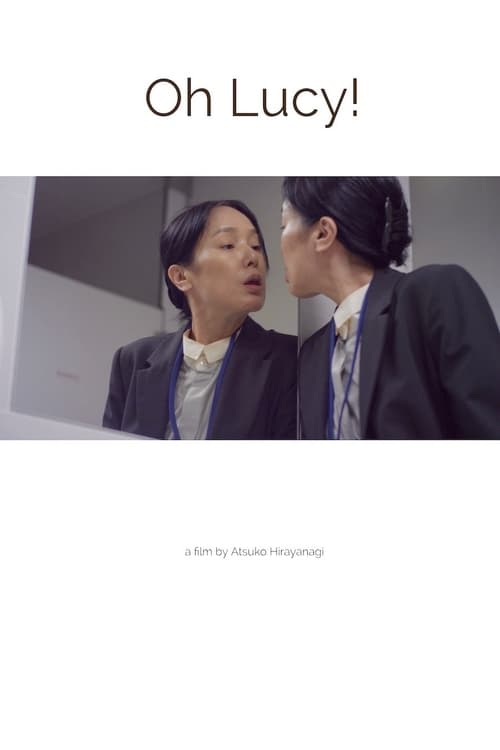
Oh Lucy!
2014
No user ratings available yet
Representation score: 8.2 out of 10

Representation Score
Good
2019
Director
Hakota Yuko
Runtime
92 minutes
Average Rating
No ratings yetNew Showbiz Analysis
Blue Hour is a contemplative character study that prioritizes internal emotional landscapes over external plot. It succeeds in centering a woman's journey, moving away from traditional male-driven cinematic conflicts to explore her professional and personal disillusionment. However, the film remains deeply rooted in traditional Japanese realism. While this provides cultural authenticity, the narrative lacks explicit markers of diversity, such as non-assuming gender matches what was assigned at birth identities or diverse casting, which limits its progressive reach. The film's exploration of identity is more atmospheric than systemic. It uses themes of grief and family alienation to build a psychological portrait, but it does not offer overt critiques of social structures or specific disability representation.
Category Breakdown
The film focuses on social structures that assume everyone is straight or cisgender. It lacks explicit stories or characters that challenge traditional interpersonal frameworks.
The story centers on a woman's journey by exploring her mid-career crisis and emotional complexities. It challenges the typical male-driven conflict by prioritizing her internal struggle and self-realization.
The cast is predominantly homogenous, reflecting the cultural reality of rural Japan. This localized realism avoids whitewashing but does not use diverse casting to challenge demographic norms.
The narrative critiques modern professional pressures and traditional family dysfunction. It prioritizes individual emotional truth and subjective morality over rigid societal or patriarchal expectations.
Mental health is touched upon through themes of grief and isolation. However, these elements serve as atmospheric components of a psychological state rather than centered depictions of disability.
Present on Screen
Limited or Absent
Official Synopsis
Trapped in her anemic career and love relationship, a 30-year-old TV commercial director returns to her countryside home in the company of a free-spirited friend. In a bittersweet reunion with an alienated family, her childhood memories of freedom and yearnings creep in the dreamlike blue hour, transcending into a lyricism of self-realization – at once whimsical, agonizing and yet hopeful.
2014

2018

2021
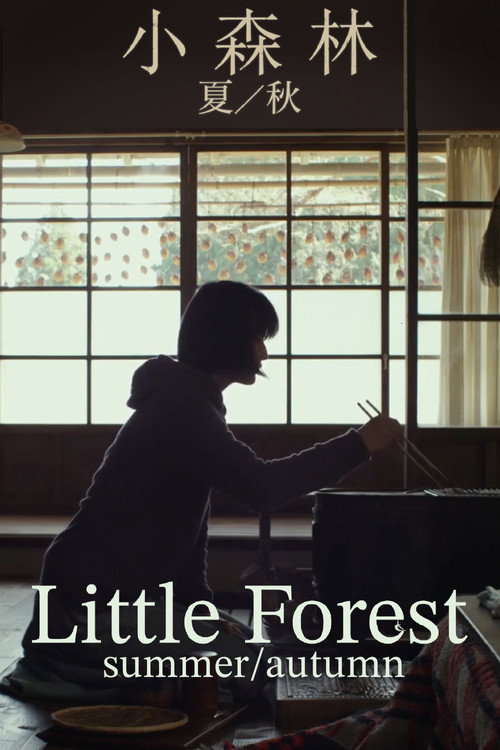
2014

2018

2019
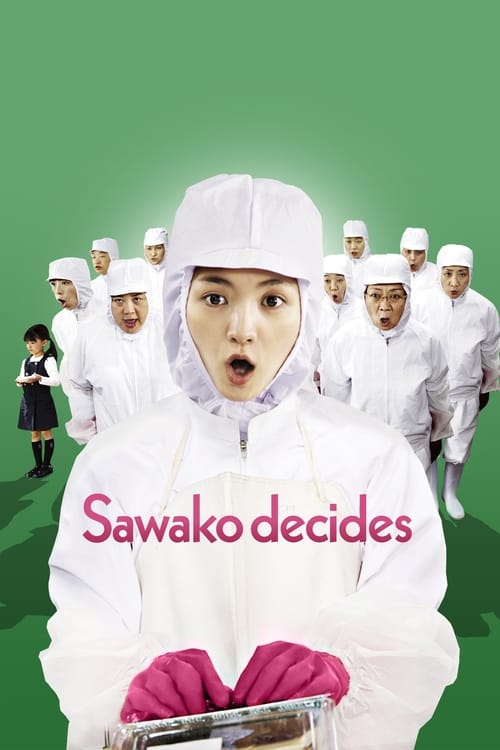
2010

2011
No reviews yet. Be the first to share your thoughts on this movie!
Use the rating form above to leave a star rating and optional review.