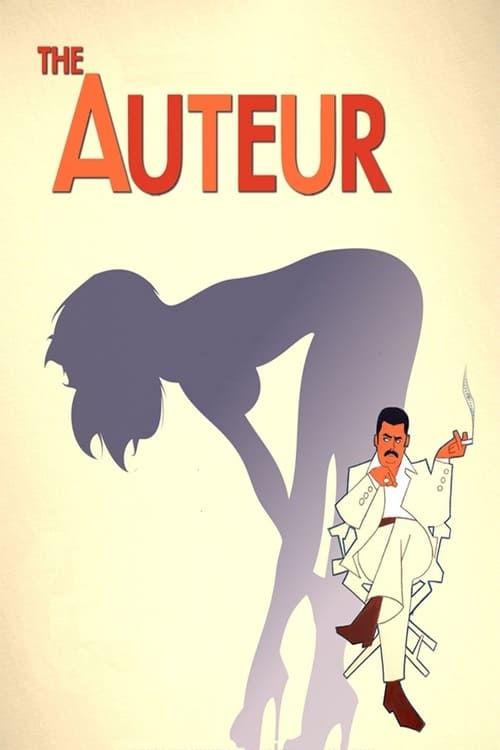
The Auteur
2008
No user ratings available yet
Representation score: 4.7 out of 10

Representation Score
Fair
2016
PG-13Director
Linda Yellen
Runtime
90 minutes
Average Rating
No ratings yetNew Showbiz Analysis
The film primarily serves as a character-driven satire of the film industry. It prioritizes situational irony and the tension between professional ambitions and small-town politics over exploring multi-layered identities. While the narrative effectively critiques Hollywood's institutional gatekeeping and ego, it operates within traditional comedic frameworks. It does not intentionally challenge gender, racial, or disability norms, which are necessary for a higher diversity rating. Ultimately, the work focuses on the desperation of a producer rather than providing systemic social commentary or progressive casting.
Category Breakdown
The film does not include explicit LGBTQ+ character arcs or narratives that question the assumption that everyone is straight. It focuses on professional conflicts within a production crew, emphasizing conventional social dynamics.
The story centers on a male producer, highlighting a focus on male-driven professional roles. The hierarchy may reinforce traditional power structures rather than challenging gendered leadership roles.
The story emphasizes the clash between Hollywood and a small-town setting in Ohio, without addressing multi-layered racial dynamics. There is no indication of a non-white majority or actors from diverse backgrounds playing traditional roles.
The film provides a moderate critique by presenting the Hollywood festival circuit as a flawed, exclusionary institution. It challenges idealized views of Western creative institutions through industry satire.
There is no evidence of characters with visible or invisible disabilities being portrayed with real influence. The comedy focuses on personality types and professional struggles rather than disability issues.
Present on Screen
Limited or Absent
Official Synopsis
Dennis Hopper plays Nick Twain, a Hollywood Producer whose latest film is rejected by every film festival in the world except one- in Ohio. Nick will do anything to get his film distributed, including manipulating his dysfunctional cast into attending the festival. Hollywood egos and small town politics inevitably collide.
2008

2011
2004
2018

2019
2015
2004

1997
No reviews yet. Be the first to share your thoughts on this movie!
Use the rating form above to leave a star rating and optional review.