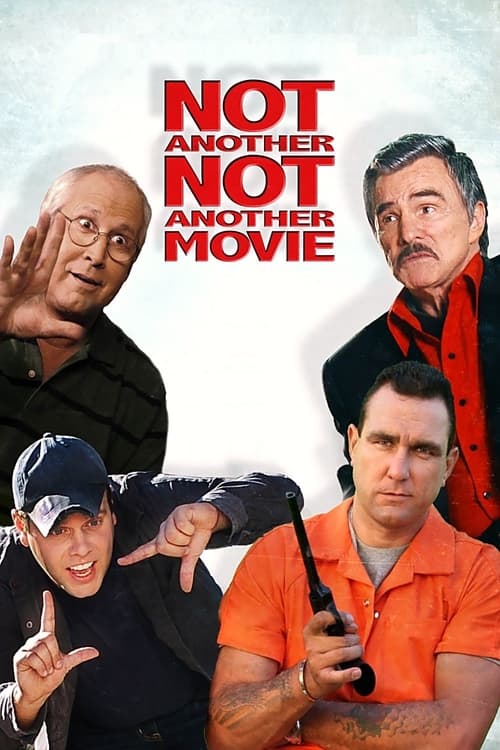
Not Another Not Another Movie
2011
No user ratings available yet
Diversity score: 3.0 out of 10

1997
RDirector
Tony Spiridakis
Runtime
85 minutes
Average Rating
No ratings yetSynopsis
In Hollywood it's all about who you know, and the only person two friends know is a serial killer.
Overall Score
Limited
Category Breakdown
LGBTQ+ Representation
The film lacks explicit LGBTQ+ characters or narratives that critique heteronormativity. It appears to focus on standard industry networking tropes rather than queer-coded themes.
Gender Representation
A prominent male cast suggests traditional gender hierarchies common in 90s comedies. While Kristy Swanson is a lead, the film does not demonstrate a subversion of masculine leadership.
Racial & Ethnic Diversity
The production lacks evidence of a diverse or non-Anglo-Saxon majority cast. The Hollywood setting leans toward homogeneous depictions of industry power structures.
Religious & Cultural Diversity
The story functions as a Hollywood satire centered on industry cynicism. It focuses on thriller-comedy tension rather than a systemic critique of Western institutions.
Disability Representation
There is no evidence of characters with visible or invisible disabilities. The plot focuses on social connections and crime rather than neurodivergence or physical disability.
Strengths
Areas for Improvement
AI Analysis
Tinseltown operates within a conventional narrative framework that prioritizes genre-specific comedy over structural diversity. The film relies on established Hollywood social hierarchies and standard comedic archetypes, which limits its capacity for progressive storytelling. The cast and thematic focus lean heavily toward traditional, homogeneous depictions of the entertainment industry. There is a noticeable absence of intersectional identities, whether through gender, race, or disability, suggesting a narrow social scope. Ultimately, the film serves as a satire of industry networking rather than a tool for social deconstruction. It adheres to the mainstream cinematic norms of its era without attempting to disrupt them.
2011
2003
2011

1986
1999
1993

2019
2013
1996
2010
1997

2007
No reviews yet. Be the first to share your thoughts on this movie!
Use the rating form above to leave a star rating and optional review.