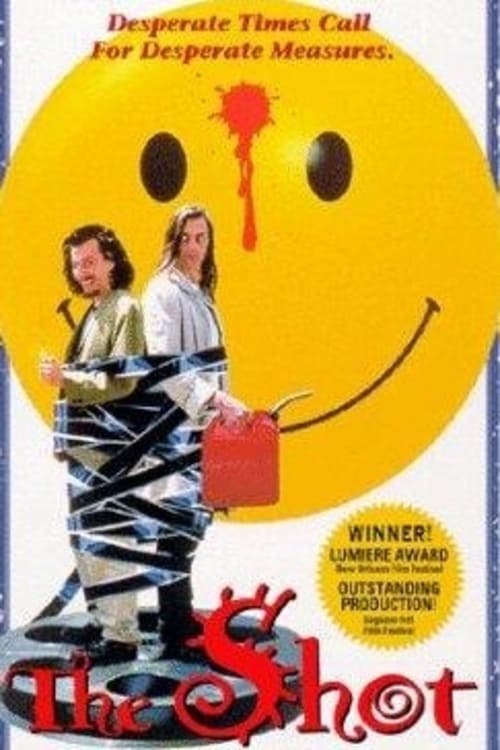
The Shot
1996
No user ratings available yet
Representation score: 3.1 out of 10

Representation Score
Fair
1998
RDirector
Arthur Hiller, Alan Smithee
Runtime
86 minutes
Average Rating
No ratings yetNew Showbiz Analysis
This meta-comedy primarily serves as a satirical deconstruction of the Hollywood studio system. It prioritizes a critique of institutional corruption and capitalist-driven media production over diverse character representation. While the film successfully challenges the integrity of industry hierarchies through satire, it fails to provide meaningful representation across most social spectrums. The narrative focus remains narrow, centering on the socioeconomic class of the Hollywood elite. Ultimately, the film's value lies in its cultural critique of predatory institutions rather than its commitment to inclusive casting or diverse storytelling.
Category Breakdown
The film does not prominently feature LGBTQ+ characters or storylines. The social setting focuses mainly on professional industry dynamics rather than non-cisgender identities.
Women play key roles, such as the high-profile actress portrayed by Marisa Tomei. These depictions are tied to industry hierarchies and the transactional nature of stardom.
The cast is predominantly white, reflecting late 1990s industry standards. There is little evidence of casting that considers multiple aspects of diversity or efforts to disrupt Anglo-centric norms.
The film excels in its critique of Western capitalist structures. It uses satire to portray the Hollywood studio system as a predatory and morally vacuous machine.
There is no significant evidence of characters with visible or invisible disabilities. The narrative prioritizes the psychological stressors of fame over lived experiences of disability.
Present on Screen
Limited or Absent
Official Synopsis
Filmmaker Alan Smithee finds himself the unwilling puppet of a potentially bad big budget action film, for which he proceeds to steal the reels, and leaves the cast and crew in a frenzy.
1996

1997

2023

2011
2011
2015
2004
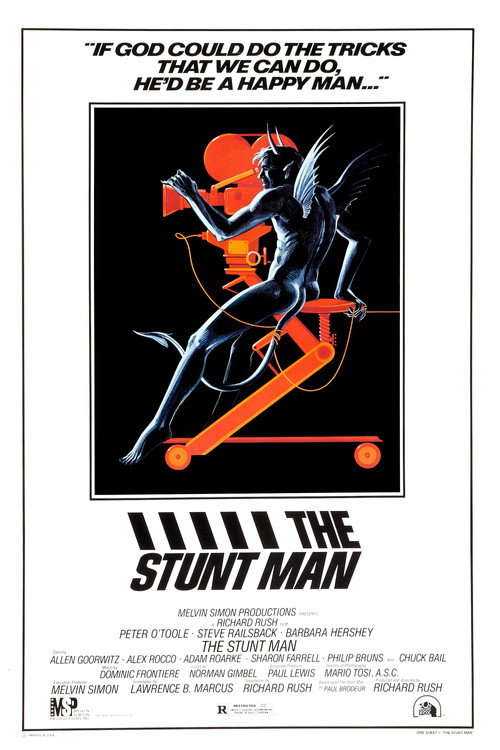
1980
No reviews yet. Be the first to share your thoughts on this movie!
Use the rating form above to leave a star rating and optional review.