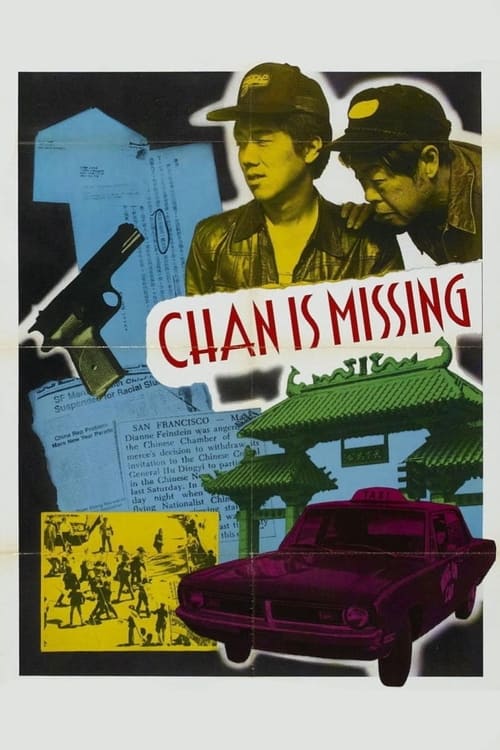
Chan Is Missing
1982
No user ratings available yet
Representation score: 8.1 out of 10
No Poster Available
Representation Score
Good
1988
NRDirector
Wayne Wang
Runtime
13 minutes
Average Rating
No ratings yetNew Showbiz Analysis
Wayne Wang’s work challenges the idea of treating the Asian American experience as a single entity. The film highlights the complexity of gender and ethnicity, particularly through the experiences of five women. It incorporates both English and Chinese languages to create a rich, textured portrayal of hybrid identity that resists Anglo-centric norms. While the film excels in depicting diverse racial and gendered stories, it lacks specific representation of LGBTQ+ or disability issues.
Category Breakdown
The film focuses on the interpersonal dynamics of five Chinese diaspora women. There are no explicit queer characters or non-straight identities mentioned.
The story centers on the internal lives of women and their intergenerational dialogue. It disrupts traditional patriarchal hierarchies by emphasizing women's ability to drive the story.
This work distinguishes between American-born, naturalized, and recent immigrant identities, avoiding monolithic portrayals. It uses a sophisticated, hybrid cultural lens to provide a nuanced perspective.
The film explores the tension between Western individualism and traditional communal values. It presents a nuanced, multifaceted view of the Chinese diaspora.
There is no information about the portrayal of physical or neurodivergent disabilities in the film.
Present on Screen
Limited or Absent
Official Synopsis
Dim Sum Take-Out shows how the heterogeneity and complexity of Asian American experiences can be erased. It was literally cut together from film that was shot for Dim Sum, which was conceived as a film about the ways in which five women of the Chinese diaspora—three American-born, a naturalized citizen, and a recent immigrant—try to balance their personal goals and the expectations of the Chinese American community in which they live. The original story line was thought to be too complicated and ambitious, and, ultimately, significant portions of Dim Sum were rewritten and reshot to focus on Geraldine, a second-generation Chinese American woman, and her relationship with her immigrant mother. However, footage that had already been shot for the film was edited together to create Dim Sum Take-Out, an eleven-minute film made up of narrative segments intercut with music video style segments, set to English- and Chinese-language versions of the song "My Boyfriend's Back."
1982
1993

1985
1993
1994
2004

2008

1991
No reviews yet. Be the first to share your thoughts on this movie!
Use the rating form above to leave a star rating and optional review.