Long Life, Happiness and Prosperity
2002
No user ratings available yet
Representation score: 6.2 out of 10
Representation Score
Good
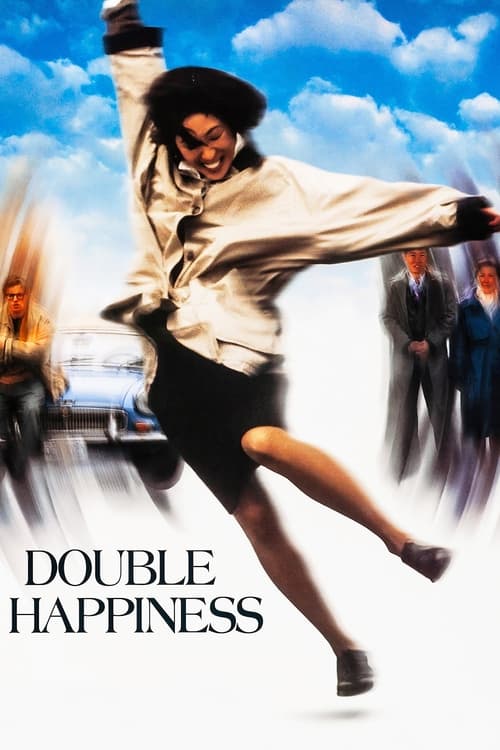
1994
PG-13Director
Mina Shum
Runtime
87 minutes
Average Rating
No ratings yetNew Showbiz Analysis
Double Happiness is a sophisticated exploration of the diaspora experience, moving beyond simple assimilation clichés. It centers the tension between filial piety and Western individualism through a deeply human lens. The film excels by providing a nuanced look at Chinese-Canadian identity. It avoids monolithic portrayals, instead focusing on the specific cultural and systemic pressures faced by the protagonist. While the film is progressive regarding gender and racial identity, it lacks explicit LGBTQ+ representation, keeping the narrative focused on traditional romantic structures.
Category Breakdown
The film does not feature central LGBTQ+ characters or explicit queer storylines. However, it explores themes of romantic autonomy within traditional heterosexual relationships.
Jade plays a significant role in driving the plot, navigating the pressures of a patriarchal society and challenging traditional feminine roles. The film emphasizes her emotional autonomy over submissive behavior.
This film provides a complex portrayal of the Chinese diaspora in Vancouver. By avoiding the model minority myth, it focuses on the nuanced, often flawed realities of hyphenated identities.
The story examines the tension between Western individualism and Eastern collectivism. It portrays traditional family hierarchies as sites of conflict rather than simple moral binaries.
There are no prominent depictions of physical or neurodivergent disabilities that impact the character arcs or the progression of the plot.
Present on Screen
Limited or Absent
Official Synopsis
Jade Li is a feisty, 20-something Chinese Canadian, trying to achieve that happy medium between giving in to her parent's wishes and fulfilling her own needs and desires – double happiness. Naturally, something's got to give and when love beckons in the shape of Mark, a white university student, the façade of the perfect Chinese daughter begins to slip.
2002

1996

2023
1993

1993
2004
2001

2010
No reviews yet. Be the first to share your thoughts on this movie!
Use the rating form above to leave a star rating and optional review.