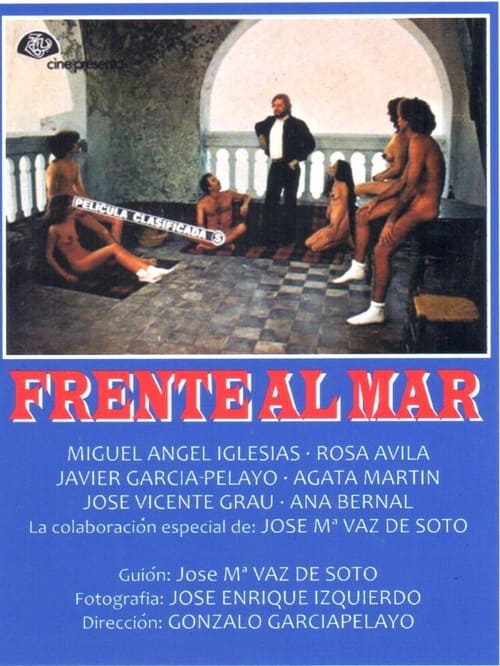
Frente al mar
1979
No user ratings available yet
Representation score: 3.3 out of 10

Representation Score
Limited
1986
RDirector
Peter Medak
Runtime
101 minutes
Average Rating
No ratings yetNew Showbiz Analysis
The Men's Club is a focused character study that prioritizes a homogeneous group of men. By concentrating on a closed circle of seven men, the film emphasizes traditional masculine discourse and social perceptions. The film delves into the internal lives and anxieties of its male protagonists, particularly concerning women, love, and work. However, it does not challenge traditional social hierarchies or prioritize diverse identities. Ultimately, the film serves as a period-specific exploration of established social roles, focusing on the male experience rather than broader social dynamics.
Category Breakdown
The film does not include non-binary or LGBTQ+ identities. It focuses on heterosexual relationships and male perspectives, suggesting a narrow focus on traditional gender roles.
The story centers around a male-only group, emphasizing traditional gender roles. This structure prioritizes a male-only perspective over a more diverse gendered viewpoint.
The film seems to follow the standard casting practices of 1980s British dramas. There is no indication of significant racial diversity among the main characters.
The film explores themes within traditional Western social structures. The focus on a men's club highlights established social norms and hierarchies.
There is no evidence to suggest that neurodivergence or physical disabilities play a central role in the characters' development or the plot.
Present on Screen
Limited or Absent
Official Synopsis
Seven men have a group session and share their feelings on women, love, life and work.
1979
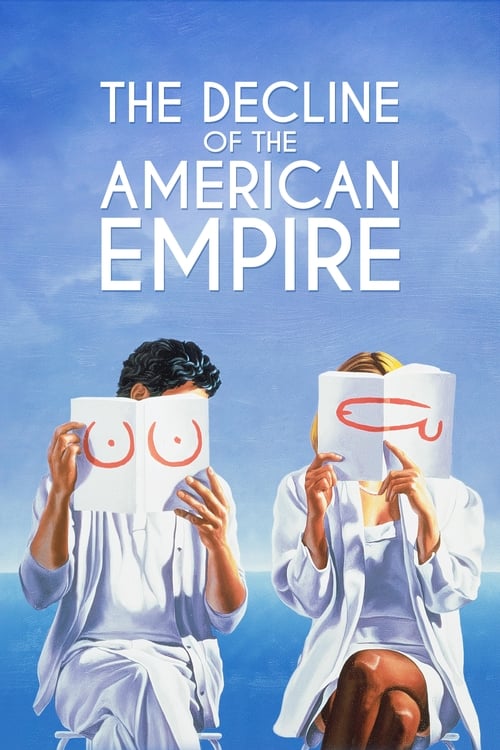
1986

1997
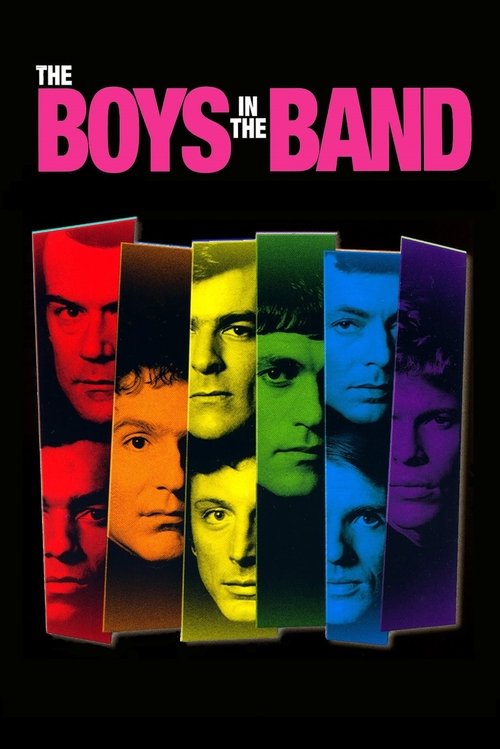
1970
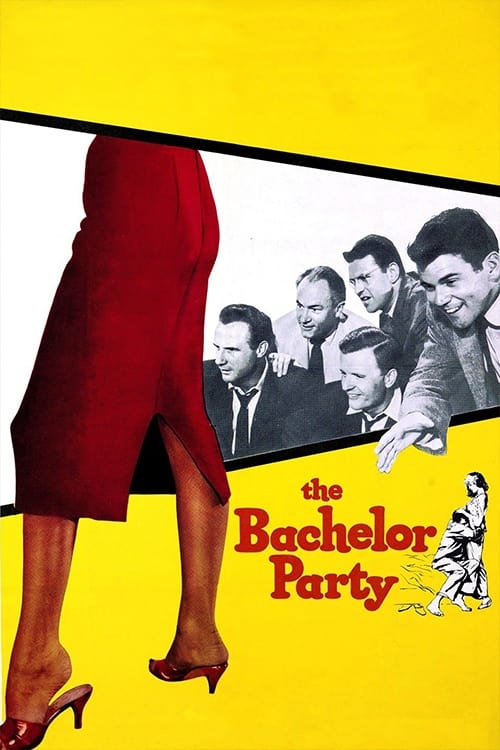
1957

1969

1998
1974
No reviews yet. Be the first to share your thoughts on this movie!
Use the rating form above to leave a star rating and optional review.