
WWE SummerSlam 1992
1992
No user ratings available yet
Diversity score: 1.6 out of 10

1989
PG-13Director
Vince McMahon
Runtime
159 minutes
Average Rating
No ratings yetSynopsis
SummerSlam (1989) was the second annual SummerSlam professional wrestling pay-per-view event produced by the World Wrestling Federation (WWF). It took place on August 28, 1989 in the Meadowlands Arena in East Rutherford, New Jersey. The main event was a tag team match between The Mega-Maniacs (WWF Champion Hulk Hogan and Brutus Beefcake) and the team of Randy Savage and Zeus. The main matches on the undercard were Ted DiBiase versus Jimmy Snuka, Ultimate Warrior versus Rick Rude for the WWF Intercontinental Championship[4] and Jim Duggan and Demolition (Ax and Smash) versus André the Giant and The Twin Towers (Akeem and Big Boss Man).
Overall Score
Minimal
Category Breakdown
LGBTQ+ Representation
The event focuses exclusively on heteronormative athletic competition. There are no LGBTQ+ characters or narratives that engage with non-cisnormative identities.
Gender Representation
The narrative is almost entirely male-centric, reinforcing traditional masculine hierarchies. While not actively misogynistic, the event lacks female agency and focuses on hyper-masculinity.
Racial & Ethnic Diversity
The roster includes prominent performers of color like Akeem and Jimmy Snuka. However, these portrayals often align with standard hero/villain archetypes rather than nuanced identity exploration.
Religious & Cultural Diversity
The event functions as a celebration of commercial spectacle and capitalist entertainment. It relies on a clear moral binary that reinforces traditional Western notions of justice.
Disability Representation
There is no visible representation of neurodivergence, physical disabilities, or chronic illness. Performers are presented solely as paragons of physical ability.
Strengths
Areas for Improvement
AI Analysis
WWE SummerSlam 1989 is a traditionalist spectacle rooted in the sports-entertainment models of the late 1980s. The production prioritizes high-spectacle, archetypal hero and villain binaries, focusing heavily on physical dominance and established character tropes. The event reinforces conventional social hierarchies rather than subverting them. It centers on hyper-masculinity and a rigid moral structure, offering very little engagement with intersectional identities or progressive representation. While the roster shows some racial diversity for its era, the presentation remains tied to the era's standard character archetypes. Overall, the event serves as a reinforcement of established entertainment norms.
1992

1991
1988

1990

1994

1995
1997
1989

1999
1988
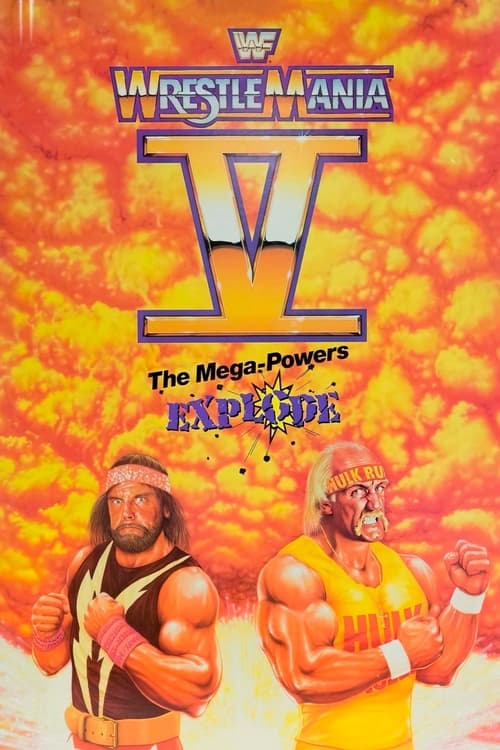
1989
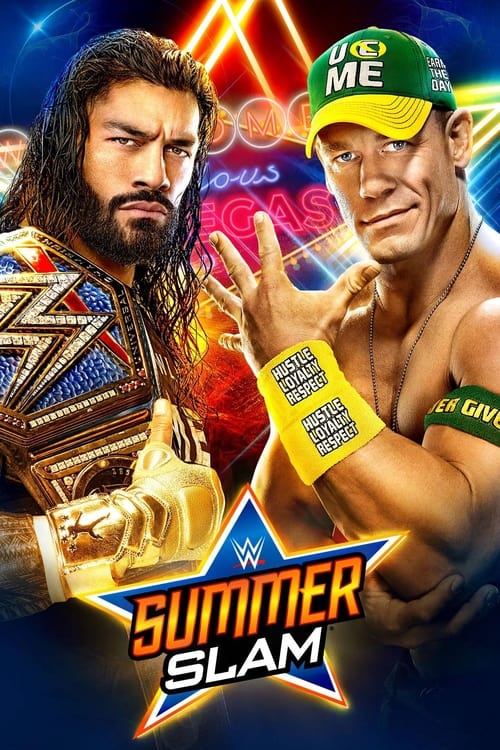
2021
No reviews yet. Be the first to share your thoughts on this movie!
Use the rating form above to leave a star rating and optional review.