
WWE SummerSlam 1999
1999
No user ratings available yet
Diversity score: 3.6 out of 10

1997
PG-13Director
Vince McMahon
Runtime
169 minutes
Average Rating
No ratings yetSynopsis
WWE's Biggest Party of the Summer features a classic Steel Cage Match between Mankind and Triple H. Goldust faces Brian Pillman. Plus, the Intercontinental Championship is on the line in a match between "Stone Cold" Steve Austin and Owen Hart. The Undertaker faces Bret Hart for WWE Championship with guest referee Shawn Michaels!
Overall Score
Limited
Category Breakdown
LGBTQ+ Representation
The broadcast lacks any visible representation of LGBTQ+ identities. The narrative focus remains strictly within heteronormative frameworks without queer themes.
Gender Representation
The event centers on traditional masculine hierarchies and heavyweight male combatants. Female performers occupy secondary roles that adhere to conventional gender hierarchies.
Racial & Ethnic Diversity
The roster features a mix of White and Black performers. However, narrative agency is largely concentrated among predominantly White central protagonists.
Religious & Cultural Diversity
The event is progressive in its deconstruction of institutional authority. Characters like Stone Cold Steve Austin frame anti-authoritarianism and rule-breaking as forms of empowerment.
Disability Representation
There is no representation of characters with visible or invisible disabilities. The talent roster lacks depictions of neurodivergence or chronic illness.
Strengths
Areas for Improvement
AI Analysis
WWE SummerSlam 1997 is a product of a transitional era in sports entertainment, prioritizing anti-authoritarian narratives over demographic breadth. While the event excels at subverting institutional respect through its 'rebel' ethos, it fails to provide meaningful representation for most marginalized groups. The production relies heavily on patriarchal power structures and masculine dominance. While the roster includes various ethnic backgrounds, the central storylines remain focused on White performers, limiting the impact of its racial diversity. Ultimately, the event's strength lies in its cultural critique of authority rather than its inclusivity. It offers a specific, cynical worldview that lacks LGBTQ+, disability, or gender-diverse perspectives.
1999

1992

1991

1994

1995

1990

1989
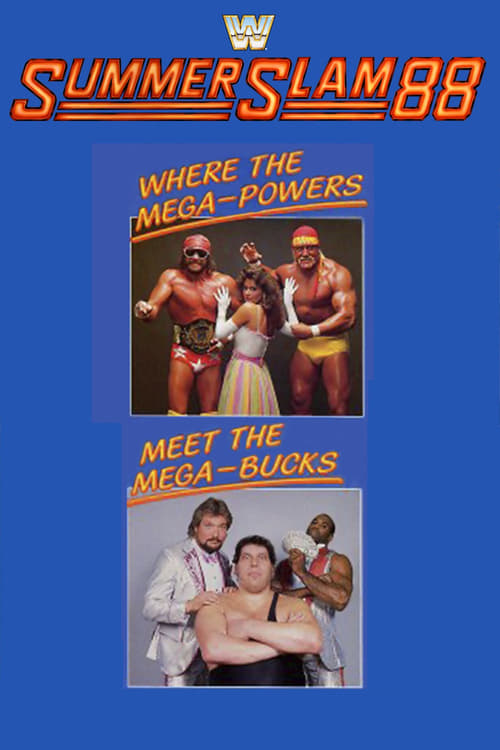
1988
1997
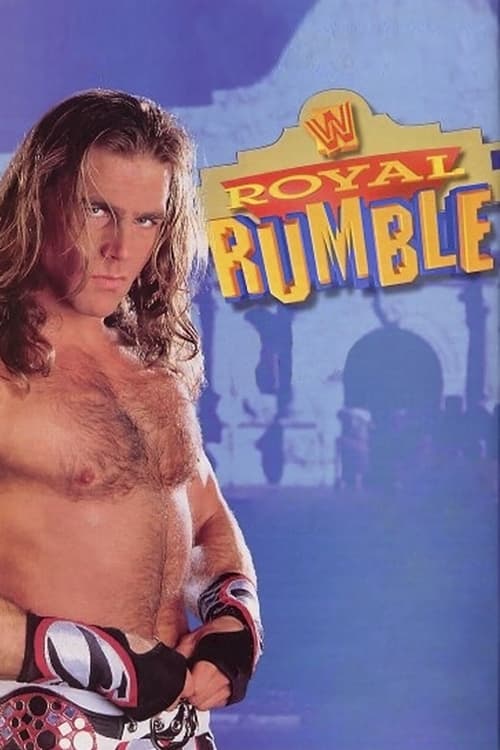
1997
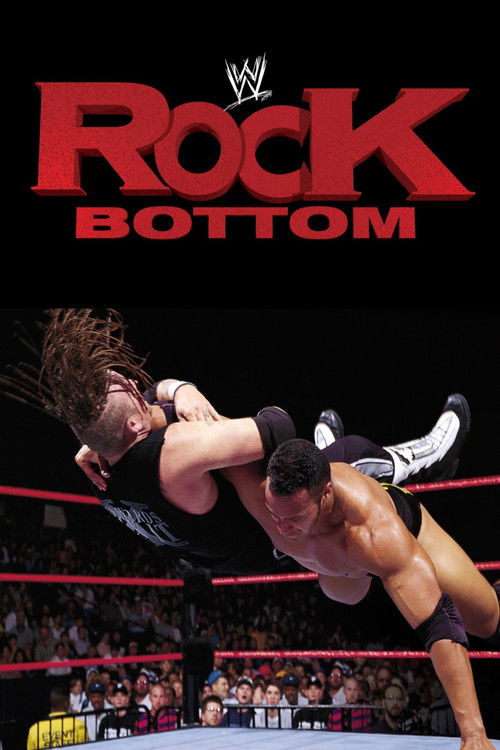
1998
2021
No reviews yet. Be the first to share your thoughts on this movie!
Use the rating form above to leave a star rating and optional review.