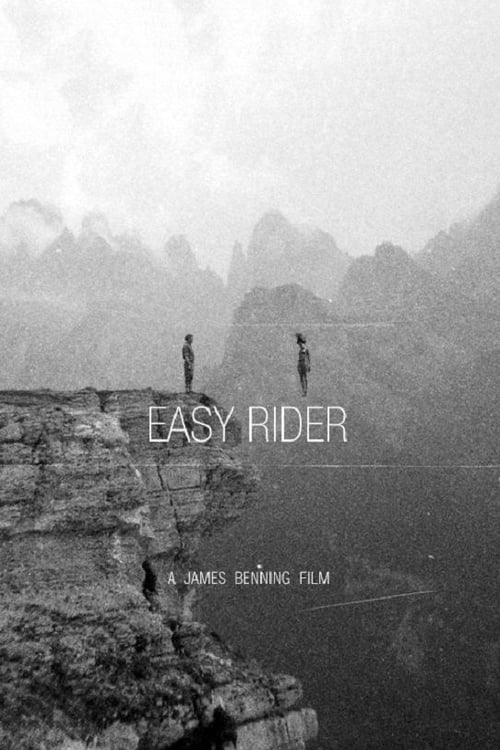
Easy Rider: Shaking the Cage
1999
No user ratings available yet
Representation score: 7.3 out of 10
Representation Score
Minimal
2012
Director
James Benning
Runtime
96 minutes
Average Rating
No ratings yetNew Showbiz Analysis
James Benning’s *Easy Rider* is a structuralist experiment that emphasizes landscape over human characters. By replacing the scenes of the 1969 classic with static shots of the original locations, the film becomes a meditation on time and space rather than a social narrative. Without human characters, dialogue, or ability to act, the film does not engage with traditional metrics of identity such as gender, race, or sexual orientation. Its primary contribution lies in its cultural deconstruction, updating the musical landscape to critique the evolution of the American zeitgeist.
Category Breakdown
The film does not depict any interpersonal relationships or dynamics related to sexual orientation or gender identity due to its focus on landscape.
This film focuses on the geography and does not include any human characters, thus avoiding engagement with gender roles or hierarchies.
The narrative structure centers on the American landscape, and without a cast, there is no opportunity to represent racial or ethnic diversity.
The film explores themes of place and cultural awareness through a contemporary lens, updating the original soundtrack to critique the American mythos.
Due to its focus on static shots of the environment, the film does not represent physical or neurodivergent identities, remaining an aesthetic exploration.
Present on Screen
Limited or Absent
Official Synopsis
'After doing a re-make of John Cassevetes’ "Faces" [1968], I decided to re-make another American classic, Dennis Hopper’s "Easy Rider" [1969]. "Easy Rider" interests me in two ways: its portrayal of 60’s counterculture – unlike "Faces" which for me is more about the 50’s – and its search for place. I divided the original film into scenes (like I did with "Faces") and then replaced each scene with one shot filmed at the original location (unlike "Faces" where shots were gleaned from the original film itself). My "Easy Rider" tries to find today’s counter-culture (if one exists) by replacing the 60’s music with music that I listen to today.' ~ James Benning
1999
1981
1992
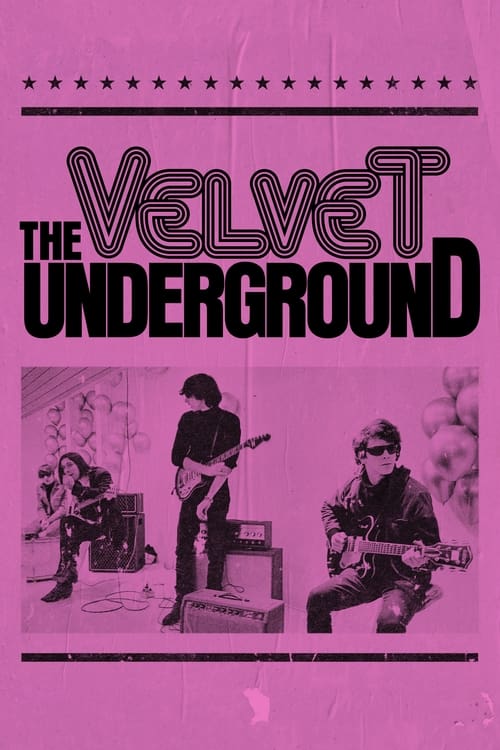
2021
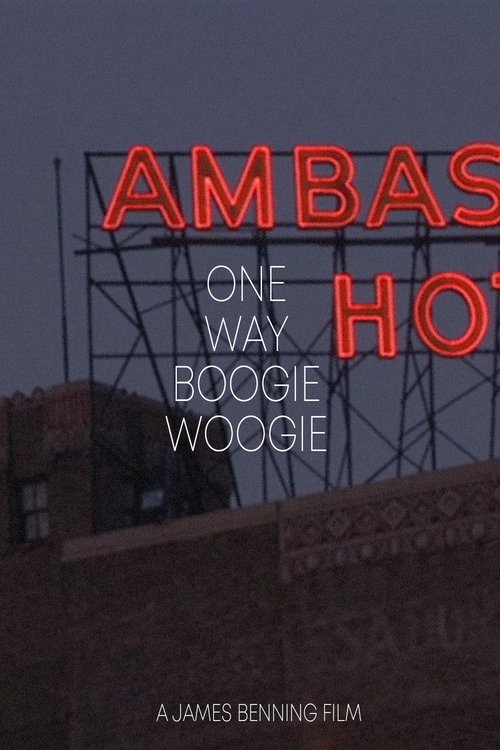
2012
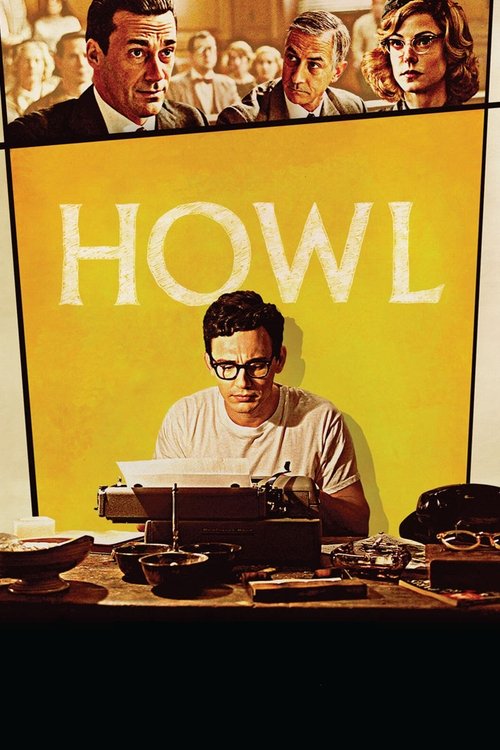
2010
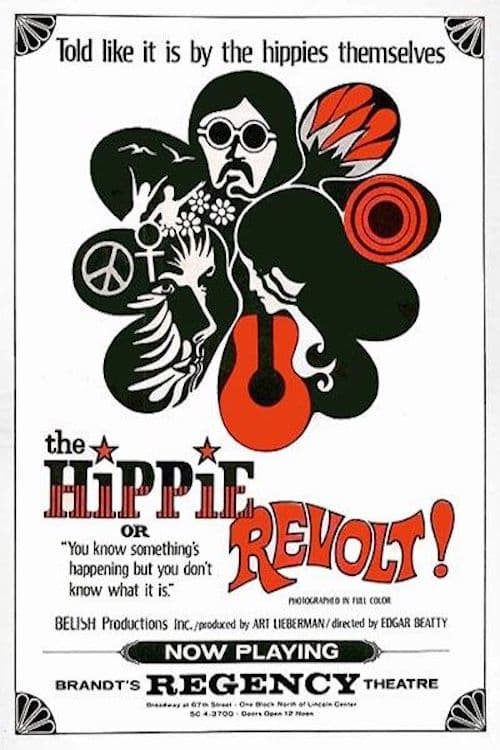
1967
1968
No reviews yet. Be the first to share your thoughts on this movie!
Use the rating form above to leave a star rating and optional review.