Lion
2016
No user ratings available yet
Representation score: 3.8 out of 10
Representation Score
Fair
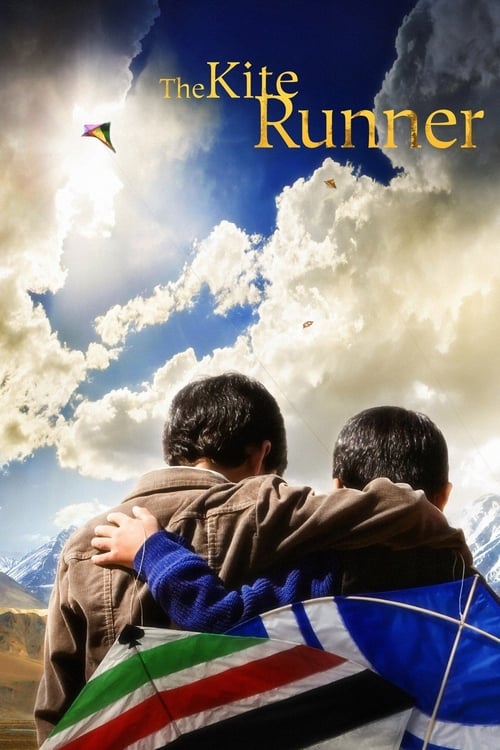
2007
PG-13Director
Marc Forster
Runtime
128 minutes
Average Rating
No ratings yetNew Showbiz Analysis
The Kite Runner excels in its storytelling that reflects multiple aspects of identity by focusing on the lived experiences of Afghan people. It successfully challenges Western-centric narratives by highlighting the systemic exclusion of the Hazara ethnic group and the complexities of the Afghan diaspora. However, the film remains constrained by its adherence to traditional patriarchal structures. While these reflect the historical context, the narrative ability to act is disproportionately centered on male characters, leaving female characters with less impact. Ultimately, the film's strength lies in its nuanced exploration of ethnic tensions and geopolitical instability. It goes beyond simple representation to show how systemic violence and political shifts shape individual identity and survival.
Category Breakdown
The film does not include any LGBTQ+ characters or explore non-straight relationships. It focuses solely on heterosexual relationships and traditional gender roles.
While the film passes the Bechdel test, female characters have less influence on the plot compared to male characters. It highlights the traditional gender hierarchies and the restrictions placed on women in Afghanistan.
The story explores the tensions between Pashtun and Hazara ethnic groups, providing a nuanced look at the systemic persecution faced by the Hazara minority.
The film uses a post-colonial perspective to criticize the destruction of Afghan culture. It portrays fundamentalist institutions like the Taliban as oppressive forces that destabilize families.
The film does not significantly address neurodivergence or physical disabilities. Psychological trauma is portrayed as a result of systemic violence rather than a focus on disability itself.
Present on Screen
Limited or Absent
Official Synopsis
After spending years in California, Amir returns to his homeland in Afghanistan to help his old friend Hassan, whose son is in trouble.
2016
2007

2008

2009

2014
2005

2016
1992
No reviews yet. Be the first to share your thoughts on this movie!
Use the rating form above to leave a star rating and optional review.