
Love & Human Remains
1994
No user ratings available yet
Diversity score: 6.4 out of 10
1989
Director
Jon Jost
Runtime
100 minutes
Average Rating
No ratings yetSynopsis
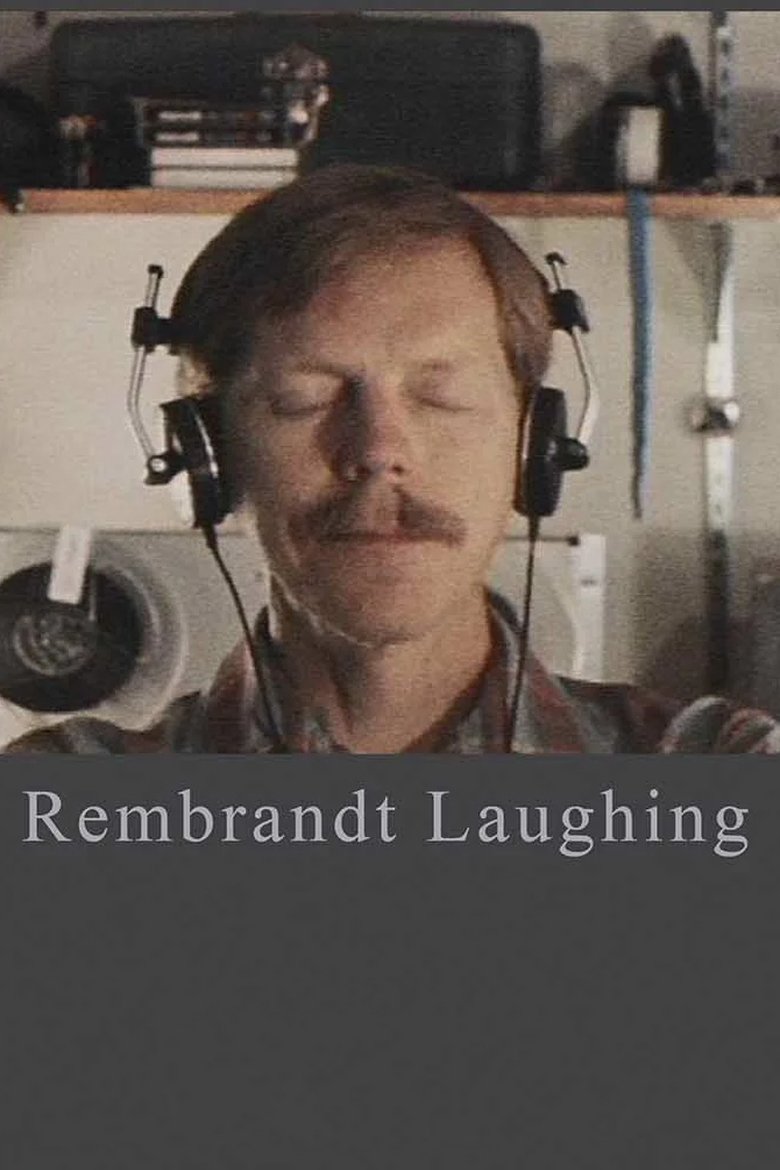
This film is a portrait of the passage of one year in the lives of some San Francisco friends, circa 1988 (before the dot.coming of the city), a slow marijuana hazed story which drifts like the fabled fog, encompassing the quirks and habits of a generation that made the city theirs, if only for a while. Very obliquely Rembrandt Laughing sketches the time and place, encompassing the AIDS epidemic, the casual sexual revolution, the debris of '68 lingering in the air. A quiet, very San Francisco comedy of life among a small group of friends. Rembrandt Laughing was improvised over the period of about a month by Jost and his friends, mostly acting non-professionals.
Overall Score
Good
Category Breakdown
LGBTQ+ Representation
The film offers a nuanced portrait of queer existence within the late 1980s San Francisco landscape. It avoids sensationalism, treating non-heteronormative identities as organic components of the community's social fabric.
Gender Representation
Women in the film possess existential autonomy rather than being defined by domestic or romantic utility. Their agency is expressed through intellectual and social presence within the group dynamic.
Racial & Ethnic Diversity
A diverse cast presents a collage of identities that mirror the fragmentation of American society. The film engages with complex racial and ethnic textures through its exploration of the American West.
Religious & Cultural Diversity
The narrative prioritizes a secular, postmodern perspective that critiques capitalism and the American Dream. It challenges singular national moralities by presenting a variety of subjective truths and social skepticism.
Disability Representation
Engagement with disability is primarily filtered through the lens of the AIDS epidemic. The film focuses on the fragility of the human condition and systemic health crises within the community.
Strengths
Areas for Improvement
AI Analysis
Rembrandt Laughing succeeds as a postmodern deconstruction of traditional social hierarchies. By utilizing an improvisational, vignette-based structure, the film avoids the artificiality of mainstream casting and conventional character arcs. The work excels in its integration of complex, non-normative realities, particularly regarding LGBTQ+ identities and anti-establishment cultural critiques. It moves beyond mere presence to engage with the lived realities of its era. However, the film's focus on a specific urban subculture and its preoccupation with systemic health crises means disability representation remains somewhat indirect. The narrative's fragmented style prioritizes philosophical inquiry over specific individual character arcs.
1994

1986

1999

1987

1997

1999

1996

1994

1994

1996
2003

1969
No reviews yet. Be the first to share your thoughts on this movie!
Use the rating form above to leave a star rating and optional review.