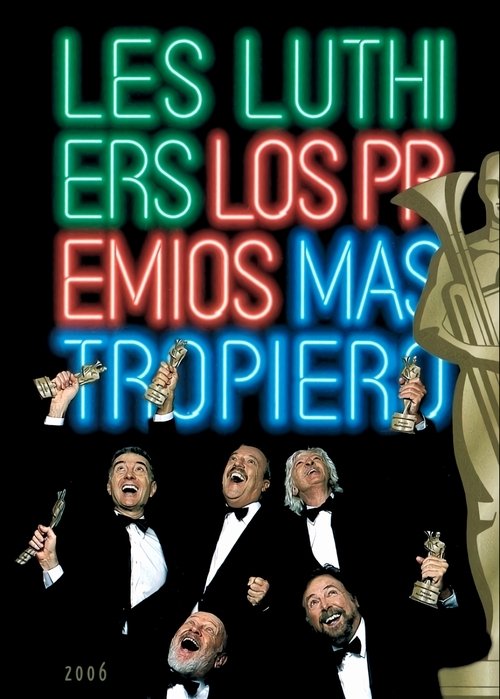
Los premios Mastropiero
2005
No user ratings available yet
Representation score: 6.3 out of 10
Representation Score
Fair
1980
Director
Les Luthiers
Average Rating
No ratings yetNew Showbiz Analysis
This live musical comedy performance emphasizes intellectual satire and linguistic play over explicit identity politics. The ensemble uses musical parody to deconstruct Western high art traditions, offering a sophisticated cultural critique. While the show challenges artistic hierarchies, it lacks broad demographic representation. The repertoire focuses on classical archetypes and musical subversion rather than a progressive exploration of social representation.
Category Breakdown
The program includes comedic songs like 'El Rey Enamorado,' but there is no indication of LGBTQ+ characters or narratives focusing on non-straight identities.
Musical numbers suggest traditional romantic roles, but the ensemble often mocks the absurdity of gender roles. Without specific scenes, the representation follows classical comedic archetypes.
The inclusion of 'Cartas de Color' suggests a theme involving race or color-based social dynamics. This likely serves as satirical commentary rather than reinforcing stereotypes.
The work showcases cultural sophistication by using musical parody to critique high art traditions. The inclusion of Tango and musical parody highlights the informality of instruments used.
There is no depiction of physical or neurodivergent disabilities. The robot Antenor serves as a technological spectacle rather than a representation of human disability.
Present on Screen
Limited or Absent
Official Synopsis
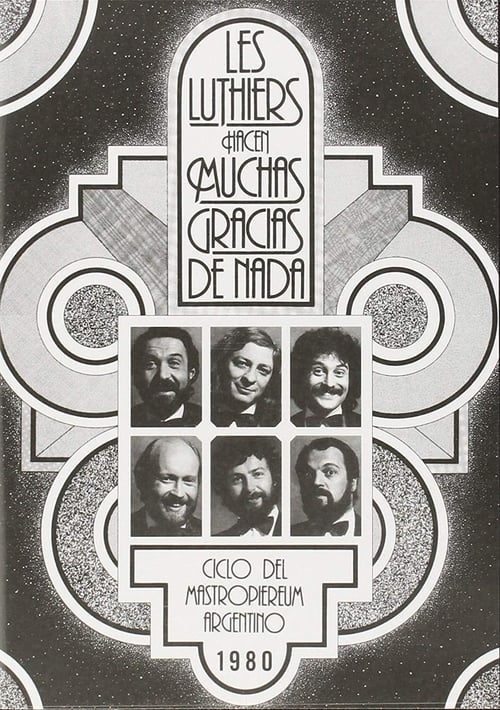
'Muchas Gracias de Nada', is a show premiered on June 15, 1979 at the Coliseo Theater in the City of Buenos Aires by the Argentinean ensemble of informal instruments, Les Luthiers. Recorded live between October 24th and 25th, 1980 at the same theater. PROGRAM: 1. La Campana Suonerá; 2. El Rey Enamorado; 3. Sinfonía Interrumpida; 4. La Tanda; 5. Canción para Moverse; 6. La Gallina Dijo Eureka; 7. Trío Op. 115; 8. Cartas de Color; 9. Tango Op. 11. In this show 'Antenor' made its first appearance, an advanced robot (for the time it was built - 1979) that weighed 80 kilos and was equipped with several motors that allowed it to move around the stage, turn its head, etc. The robot caught fire during the last performance of this play (Palacio de Bellas Artes, Mexico - 1980) in the middle of the stage and before the astonished gaze of all those who were there.
2005
2002
1979
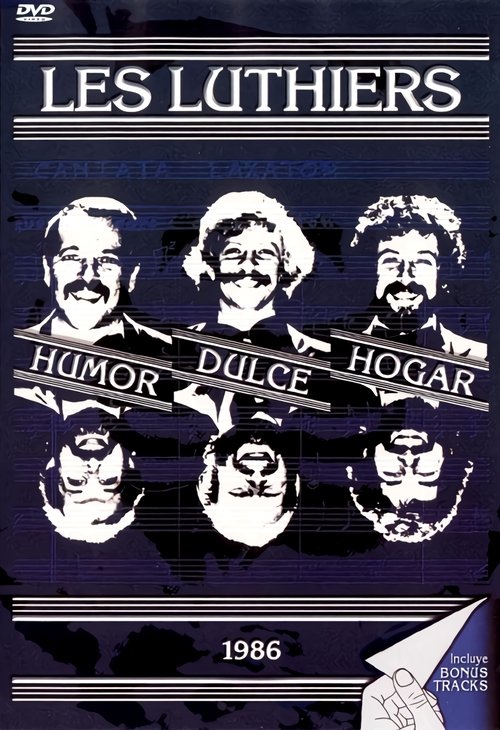
1986
1958
1969

1979

1988
No reviews yet. Be the first to share your thoughts on this movie!
Use the rating form above to leave a star rating and optional review.