Bromato de armonio
1998
No user ratings available yet
Representation score: 6.0 out of 10
Representation Score
Fair
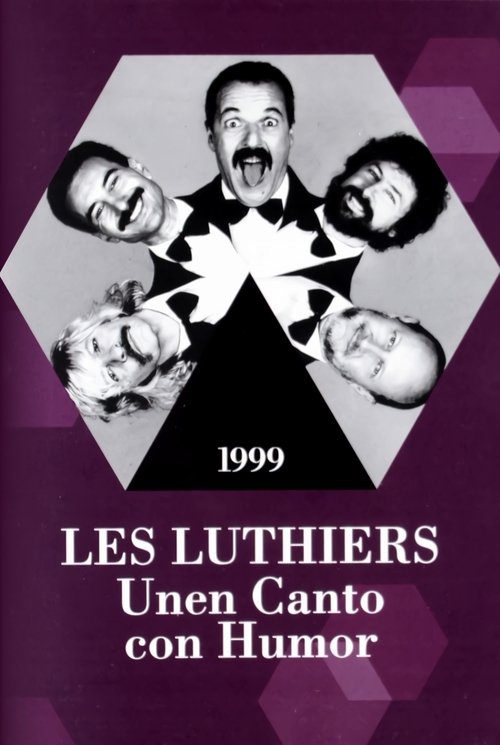
1999
Director
Carlos Núñez Cortés, Carlos López Puccio, Jorge Maronna, Daniel Rabinovich, Marcos Mundstock, Les Luthiers
Runtime
114 minutes
Average Rating
No ratings yetNew Showbiz Analysis
Les Luthiers delivers a sophisticated revue that relies on musical parody and intellectual satire to navigate social themes. The performance consists of a series of sketches rather than a linear narrative, focusing on the deconstruction of authority and social rigidity. While the work engages with ethnic archetypes and cultural identity through musical genre-bending, it lacks explicit focus on modern identity politics. The representation is often filtered through a lens of sophisticated wordplay and observational humor. Ultimately, the production offers a progressive, secular approach to cultural critique. It challenges institutional pomposity, though it remains moderate in its direct representation of specific underrepresented identities.
Category Breakdown
The performance uses humor and satire to challenge social norms. Though there are no detailed depictions of same-sex intimacy, the comedic approach suggests a thoughtful take on identity.
Sketches like 'A la playa con Mariana' explore social dynamics through absurdity. The work critiques traditional roles using observational satire rather than directly dismantling gender hierarchies.
The program engages with ethnic archetypes through sketches like 'El regreso del indio.' Musical parody and non-traditional instrumentation are used to comment on cultural identity and diverse genres.
The production prioritizes intellectual inquiry and social commentary over religious moralism. Sketches such as 'Vote a Ortega' reflect a progressive tendency to deconstruct institutional authority and pomposity.
There is no discernible evidence regarding the portrayal of physical or neurodivergent disabilities. No specific characters or plot points involving disability are identified in the program.
Present on Screen
Limited or Absent
Official Synopsis
Premiered on June 9, 1994 at the Astengo Theater, in Rosario, Argentina. Last performance on January 31, 1999, at the Auditorium Theater, in Mar del Plata, Argentina. PROGRAM: 1 - El regreso del indio 2 - Manuel Darío 3 - Así hablaba Sali Baba 4 - El negro quiere bailar 5 - San Ictícola de los peces 6 - A la playa con Mariana 7 - Perdónala 8 - Fronteras de la ciencia 9 - Vote a Ortega Instruments premiered on this show: Bajo Barríltono Ferrocalíope. Recorded at the Auditorium Theater, Mar del Plata, Argentina, January 30, 1999.
1998
1986
2005
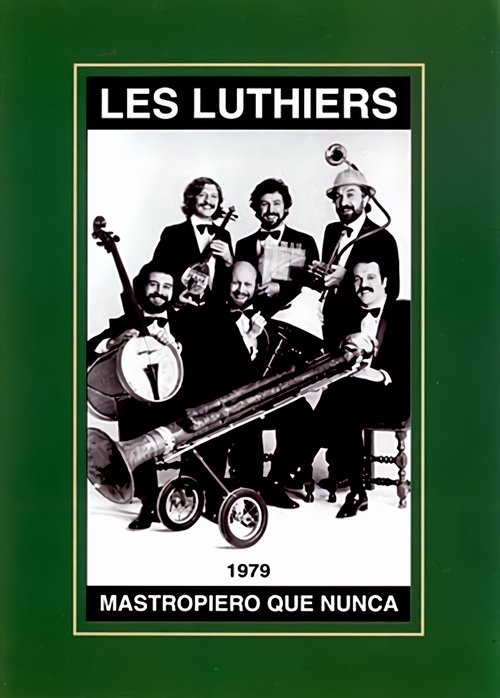
1979

1995
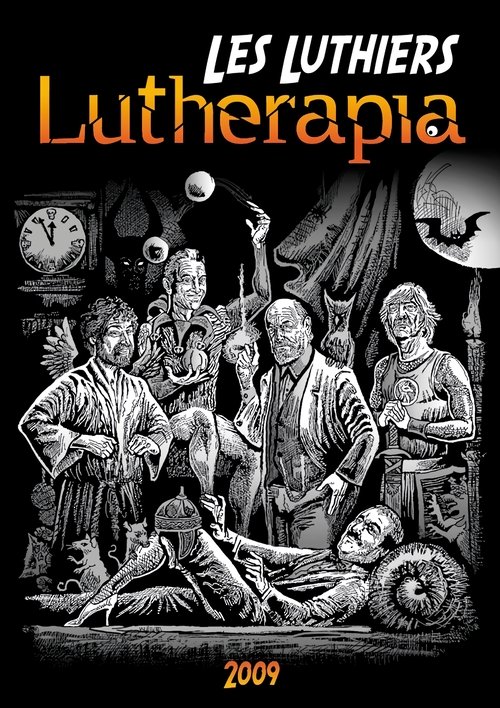
2008
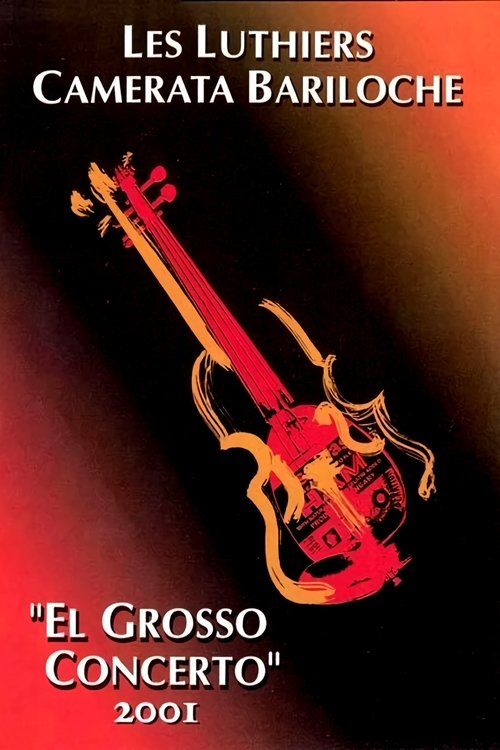
2001
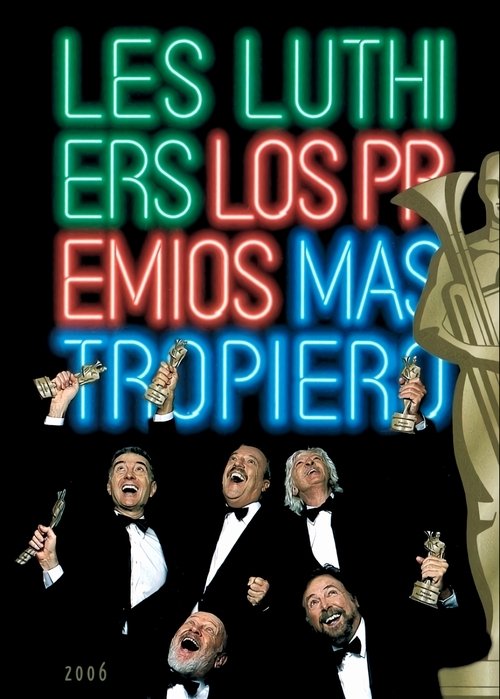
2005
No reviews yet. Be the first to share your thoughts on this movie!
Use the rating form above to leave a star rating and optional review.