
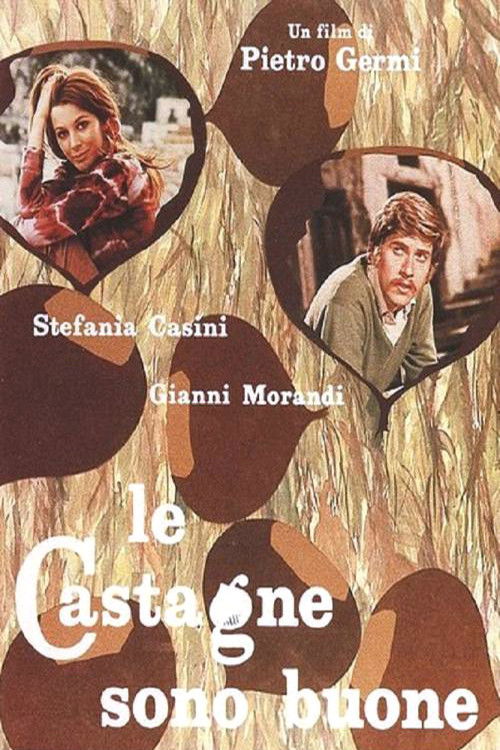
Alfredo, Alfredo
1972
No user ratings available yet
Representation score: 2.8 out of 10
Representation Score
Limited
1970
Director
Pietro Germi
Runtime
112 minutes
Average Rating
No ratings yetNew Showbiz Analysis
Pietro Germi’s comedy serves as a period-specific look at 1970s Italian social dynamics. The film sticks to the established social roles of the time, centering on a character-driven romance that aligns with conventional gender expectations. The narrative does not aim to disrupt traditional hierarchies. Instead, it centers on a power imbalance between a male producer and a female subject, following a standard courtship model. While the film may use satire to highlight social climbing, it remains grounded in a homogeneous Mediterranean context. It does not provide significant representation for LGBTQ+ individuals or characters with disabilities.
Category Breakdown
The film follows a typical romantic storyline focused on a male producer and a female subject. There are no LGBTQ+ characters or stories that question the assumption that everyone is straight or cisgender.
The story highlights a power difference between a male professional and a female interviewee. Despite the woman's psychological complexity, the film leans on traditional courtship models.
The setting and casting likely represent a homogeneous Mediterranean population. The narrative stays within a specific cultural context without emphasizing diverse racial backgrounds.
The film reflects mid-century European social norms. It uses the era's standard cultural practices without promoting anti-Western or anti-capitalist ideas.
There is no mention of characters with physical, sensory, or neurodivergent disabilities.
Present on Screen
Limited or Absent
Official Synopsis
A TV producer cultivates a somewhat reserved and protective young woman after interviewing her for one of his programs.
1972

1952

1960
1963

2005
1967

1970

1969
No reviews yet. Be the first to share your thoughts on this movie!
Use the rating form above to leave a star rating and optional review.