
Victims for Victims: The Theresa Saldana Story
1984
No user ratings available yet
Representation score: 4.7 out of 10
Representation Score
Limited
1970
Director
Walter Grauman
Runtime
73 minutes
Average Rating
No ratings yetNew Showbiz Analysis
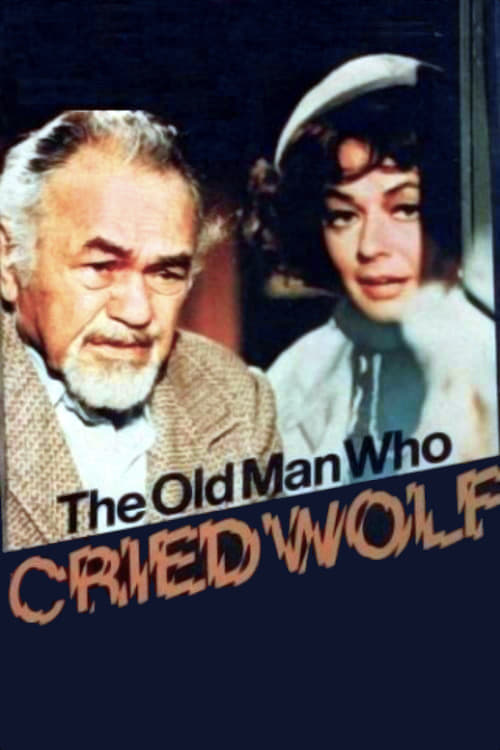
The film is a period-specific psychological drama that prioritizes suspense over social critique. It centers on a male protagonist's struggle against institutional manipulation, which limits the scope of its representation. While the narrative explores the tension between an individual and the medical establishment, it lacks multi-layered depth. The focus remains on individual survival within a traditional social structure rather than a critique of systemic power. Ultimately, the work adheres to the casting and narrative conventions of 1970s television, offering little in the way of diverse perspectives or progressive social commentary.
Category Breakdown
The film does not include any characters with non-binary or transgender identities. It focuses on a male protagonist and his relationships within the context of the 1970s.
The story revolves around a male-dominated conflict involving Emile and his male friends. It does not challenge traditional gender roles or explore diverse gender experiences.
The production reflects the homogenous casting practices typical of its time. There is no indication of a racially diverse cast or non-Anglo-Saxon majority.
The plot examines the tension between an individual and institutional authority. However, it relies on traditional suspense clichés rather than critiquing systemic issues related to religion or culture.
The film uses psychiatric intervention as a plot device for suspense. While it touches on mental health, it risks using psychological instability as a source of tension.
Present on Screen
Limited or Absent
Official Synopsis
Emile Pulska is visiting his old friend Abe Stillman. During the visit they are attacked and Emile is struck senseless. When he wakes up he is told that Abe is dead, dead by natural causes, the doctors tell him. When Emile insists that they were attacked, his relatives try to give him psychiatric help. Emile decides to try to find the killers himself, but someone is watching his every step...
1984

1981
1992
1976

1992
2006

1971

1970
No reviews yet. Be the first to share your thoughts on this movie!
Use the rating form above to leave a star rating and optional review.