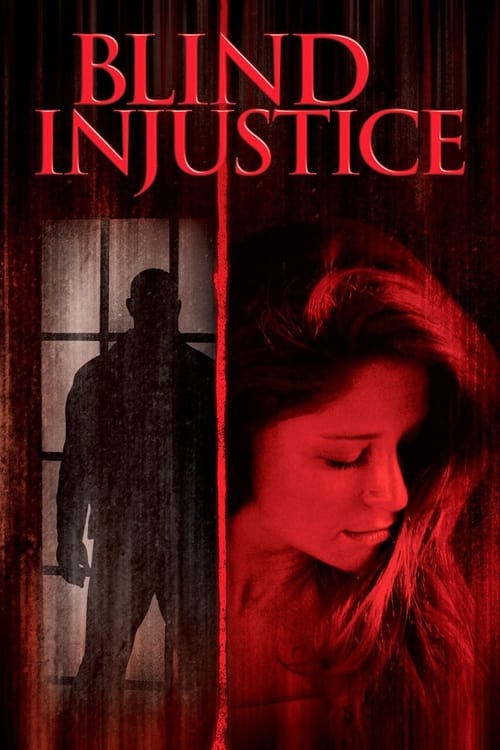
Blind Injustice
2005
No user ratings available yet
Representation score: 4.7 out of 10

Representation Score
Fair
1992
Not RatedDirector
James Quinn
Runtime
86 minutes
Average Rating
No ratings yetNew Showbiz Analysis
Blind Man's Bluff is a conventional thriller that prioritizes genre clichés over social commentary. It relies on traditional storytelling structures that reinforce existing social hierarchies rather than challenging them. The film's primary strength lies in its portrayal of disability, with a blind man serving as the central investigator. However, the production lacks diversity and fails to engage with multi-layered identities or non-straight relationships.
Category Breakdown
The film follows typical early 1990s television standards and does not include any queer narratives or non-cisgender identities.
The male protagonist drives the suspense and investigative process. Female characters exist but play secondary roles, maintaining the male lead's intellectual dominance.
The setting suggests a homogeneous environment, reflecting the standard 1990s demographic norms. There is no evidence of diverse casting or integration.
The story focuses on a personal exoneration mystery without critiquing Western institutions, capitalism, or organized religion.
The film centers on a blind professor who drives the plot who play a significant role in driving the story, rather than portraying him as a passive victim.
Present on Screen
Limited or Absent
Official Synopsis
A blind professor is accused by the police of killing his neighbor and must clear his name by finding the murderer.
2005
1987
2000
2011

2012
1971
1997
1992
No reviews yet. Be the first to share your thoughts on this movie!
Use the rating form above to leave a star rating and optional review.