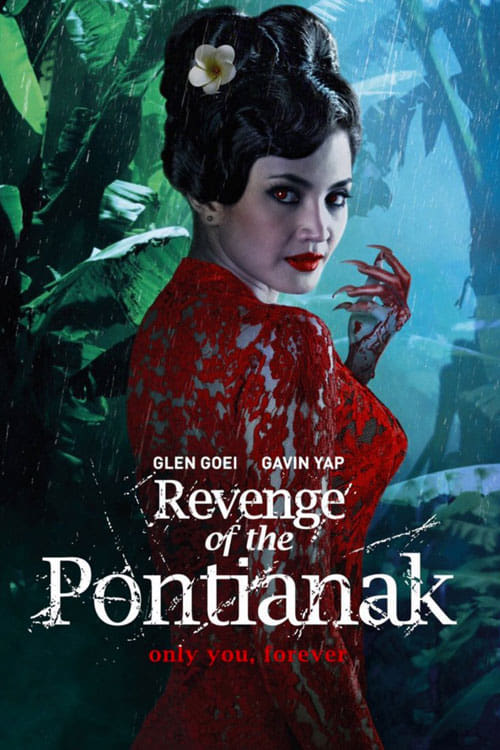
Revenge of the Pontianak
2019
No user ratings available yet
Diversity score: 5.4 out of 10
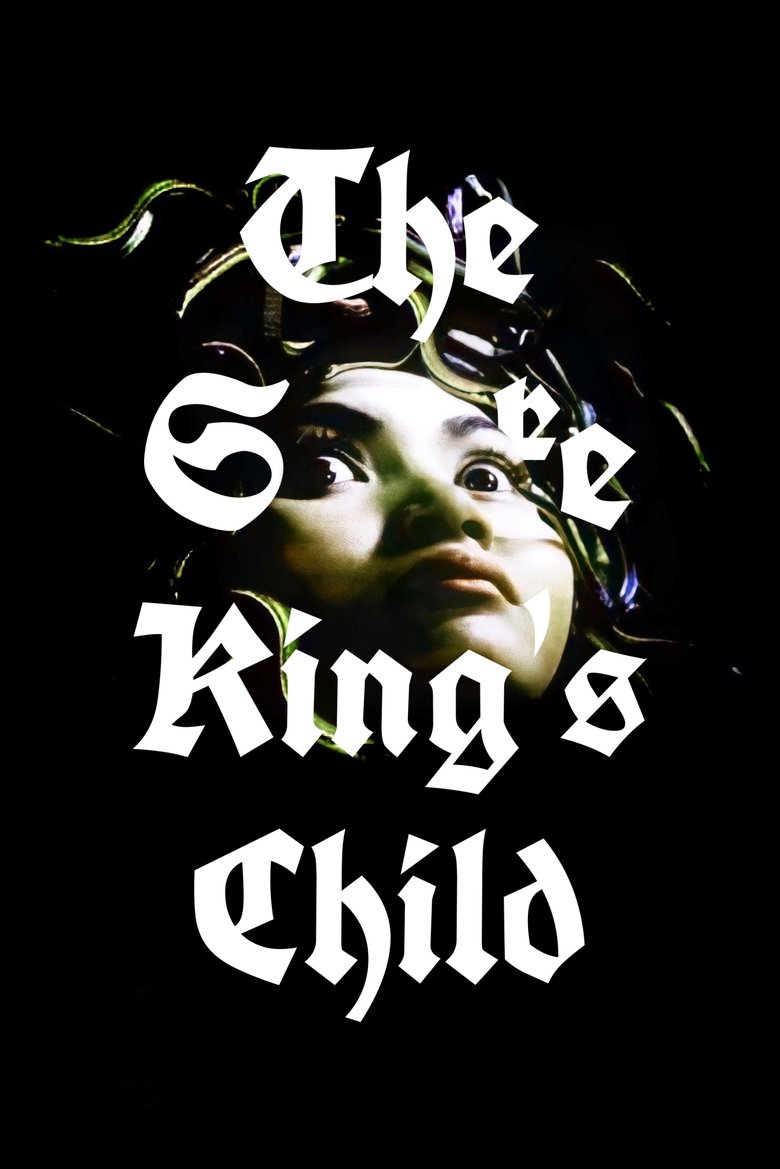
2001
Director
Fai Sam Ang
Runtime
108 minutes
Average Rating
No ratings yetSynopsis
In a small village, Nhi comes across a Snake Immortal and falls in love with him. She becomes pregnant by the snake, but does not tell her husband. When he discovers the truth, he kills both Nhi and the Snake Immortal. One of the small snakes escapes from Nhi's abdomen, and is brought up by another immortal. Slowly the snake grows up to be a beautiful woman, who sets out to develop another relationship.
Overall Score
Fair
Category Breakdown
LGBTQ+ Representation
The film adheres to a traditional romantic and reproductive framework. There are no visible non-cisnormative gender identities or narratives that challenge heteronormativity.
Gender Representation
The story centers on a female protagonist whose agency is tied to her supernatural lineage. While she reclaims her identity through rebirth, her experience is heavily linked to motherhood.
Racial & Ethnic Diversity
The production offers authentic cultural immersion through a Southeast Asian cast. It avoids Western-centric casting by centering a narrative rooted in regional Naga mythology.
Religious & Cultural Diversity
The narrative prioritizes local animism and spiritual folklore over Western secularism. It presents a subjective morality where supernatural laws supersede modern institutional norms.
Disability Representation
There is no evidence of physical or neurodivergent disabilities being depicted. Supernatural traits are treated as mythological elements rather than disabilities.
Strengths
Areas for Improvement
AI Analysis
The film serves as a powerful vehicle for cultural preservation, utilizing Southeast Asian mythology to disrupt Western narrative dominance. By centering Naga folklore, it provides an authentic non-Western worldview that challenges Eurocentric cinematic tropes. However, the film lacks engagement with modern identity politics. It does not feature LGBTQ+ narratives or depictions of disability, focusing instead on traditional biological and spiritual lineages. While the female protagonist finds agency through her supernatural journey, the narrative remains deeply rooted in traditional themes of pregnancy and motherhood.
2019
2004

1973

1972

1999
1975
2026

2016
1982
2004

2001
2007
No reviews yet. Be the first to share your thoughts on this movie!
Use the rating form above to leave a star rating and optional review.