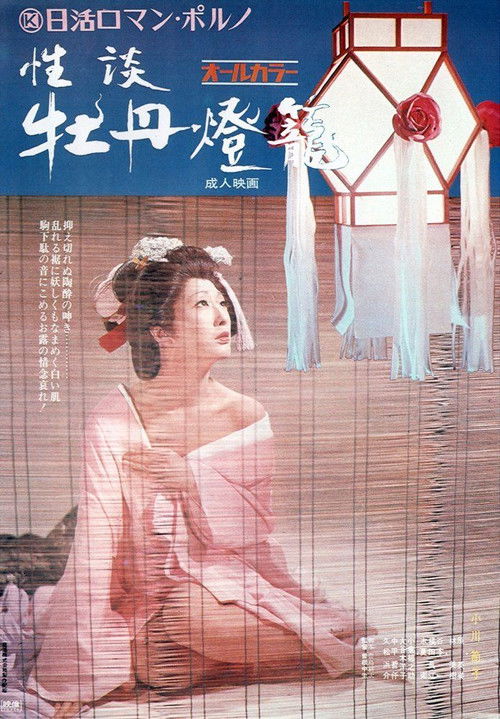
Hellish Love
1972
No user ratings available yet
Representation score: 1.9 out of 10
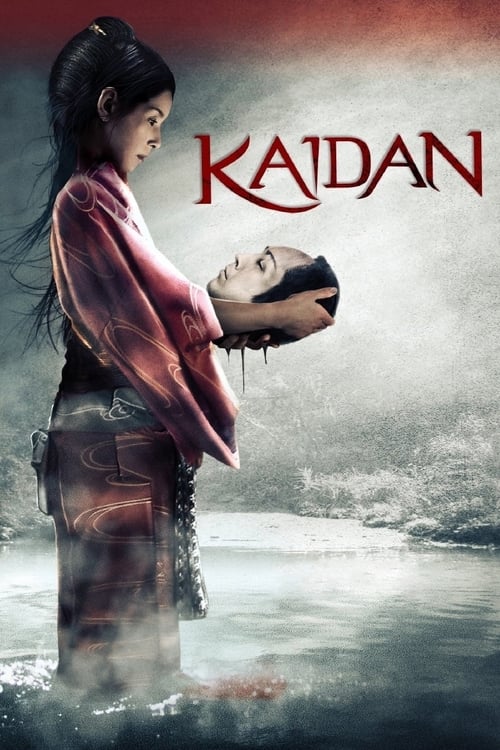
Representation Score
Limited
2007
UnratedDirector
Hideo Nakata
Runtime
115 minutes
Average Rating
No ratings yetNew Showbiz Analysis
Kaidan is a work of atmospheric period horror that prioritizes cultural authenticity and traditional folklore over contemporary social deconstruction. The narrative structure reinforces historical social hierarchies and traditional gender roles common to the J-Horror genre. While the film provides a culturally specific experience, it does not actively seek to disrupt conventional clichés or introduce diverse perspectives. The focus remains on the sublime terror of the supernatural and the inevitability of karmic retribution within a strictly defined historical framework.
Category Breakdown
The film focuses on traditional heterosexual relationships and individual psychological struggles. There are no characters with non-binary gender identities or same-sex romantic stories.
Female characters are often shown in traditional roles such as vengeful spirits or suffering wives. They are frequently depicted as victims of tragedy or emotional instability.
The cast is ethnically homogeneous, reflecting the historical accuracy of a period piece set in feudal Japan. The film maintains a culturally authentic aesthetic without whitewashing.
The narrative is deeply rooted in Shinto and Buddhist spiritual beliefs and karma. It presents a worldview where traditional morality is secondary to the laws of the supernatural.
Psychological instability is used as a central plot driver for horror. However, these depictions tend to follow the cliché of the unstable mind rather than offering nuanced portrayals of mental health issues.
Present on Screen
Limited or Absent
Official Synopsis
Japan, 250 years ago. Soetsu is a moneylender who is killed by the cruel samurai Shinzaemon. His body is dumped in the Kasenega-Fuchi river. According to legend, all who drown in the river will never surface again. 20 Years later, Shinkichi, the handsome son of Shinzaemon, coincidentally meets Toyoshiga, the daughter of Soetsu. They fall in love. It is a doomed love, as the spirit of Soetsu is far from dead
1972
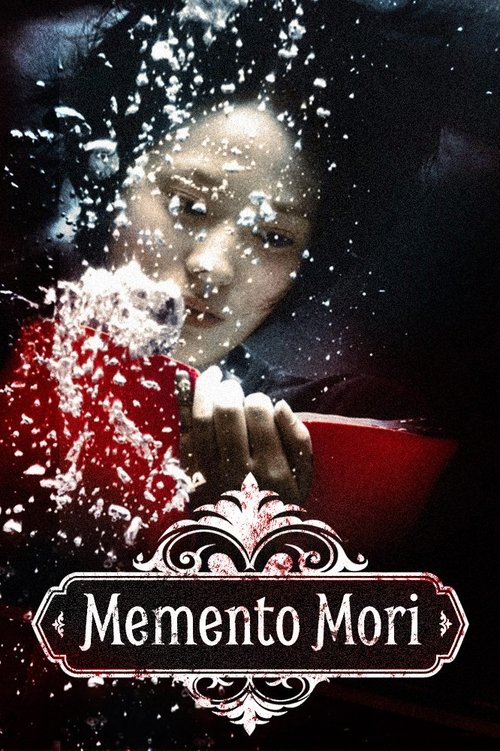
1999
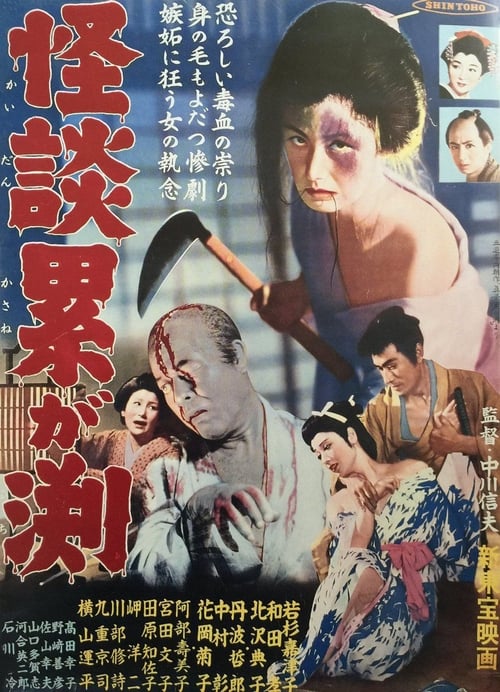
1957

2006
1978
2020
2019
2001
No reviews yet. Be the first to share your thoughts on this movie!
Use the rating form above to leave a star rating and optional review.