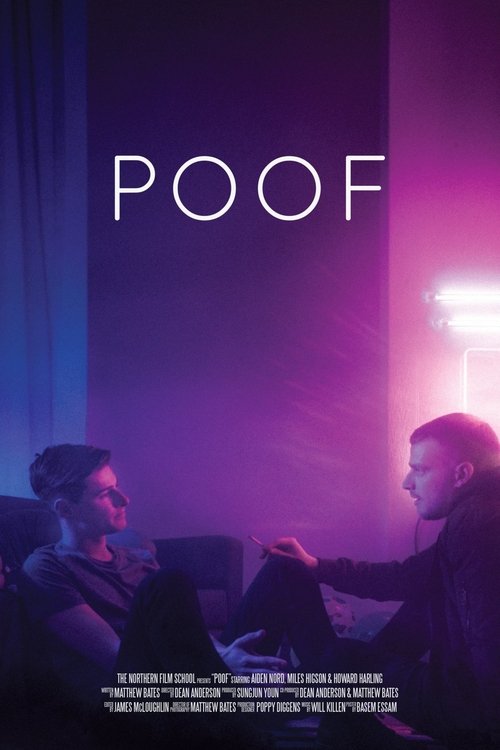
Poof
2018
No user ratings available yet
Representation score: 4.1 out of 10

Representation Score
Excellent
2014
RDirector
Patrik-Ian Polk
Runtime
99 minutes
Average Rating
No ratings yetNew Showbiz Analysis
Blackbird is a sophisticated exploration of identity, particularly at the intersection of queer identity and Blackness. The film succeeds by avoiding traditional Western archetypes of masculinity and the stability of the nuclear family. By centering the narrative on the protagonist's internal struggle and eventual acceptance of his true self, the film provides a meaningful look at adolescent development outside of straight expectations. The director's commitment to diverse perspectives is evident in the psychological depth afforded to the characters. While the film offers a nuanced look at race and gender, some elements, such as the portrayal of mental health, serve more as narrative drivers for the protagonist's growth than as independent character studies.
Category Breakdown
The film follows Randy's journey of discovering his sexual identity and achieving self-actualization. It goes beyond simple visibility to validate non-straight experiences through a deeply personal lens.
Randy challenges traditional masculine stereotypes by showing significant emotional labor and care for his mother. This portrayal presents a vulnerable and nuanced version of manhood that contrasts with typical stoic portrayals.
The narrative offers a layered perspective on the Black experience by emphasizing individual ability to act. It avoids monolithic clichés by exploring the intersection of race and sexuality.
The film dismantles the idealized family unit, depicting the home environment as a site of instability. It prioritizes subjective emotional truths over a singular, traditional moral compass.
Mental health is explored through Randy's emotionally troubled mother. While her condition serves as a catalyst for the protagonist's growth, it is integrated into the film's broader emotional themes.
Present on Screen
Limited or Absent
Official Synopsis
Seventeen-year-old Randy tries very hard to be a good person. Since his father left, Randy takes care of his emotionally disturbed mother, and he's the kind of friend all of his classmates can depend on. As strong as he seems on the outside, Randy is hiding a secret inner struggle and denial of his true self. It's not until he opens himself up to love that he discovers that becoming a man means accepting who you really are.
2018

2017

2018

2007

2016
2011
2018

2012
No reviews yet. Be the first to share your thoughts on this movie!
Use the rating form above to leave a star rating and optional review.