
Angels & Demons
2009
No user ratings available yet
Representation score: 7.0 out of 10
Representation Score
Limited
2006
PG-13Director
Ron Howard
Runtime
149 minutes
Average Rating
No ratings yetNew Showbiz Analysis
The film critically examines institutional authority, offering a sophisticated critique of religious power structures. It uses a mystery framework to deconstruct how power maintains historical narratives. However, the film lacks demographic diversity, focusing heavily on a Western demographic profile. It also fails to engage with LGBTQ+ identities or disability representation. Despite these shortcomings, the work prioritizes thematic depth over a diverse cast of characters.
Category Breakdown
The film does not include any LGBTQ+ characters or explore non-straight relationships. All romantic and interpersonal dynamics follow traditional heterosexual structures.
Sophie Neveu is portrayed as a highly capable intellectual partner to the male lead. This partnership challenges the damsel in distress cliché, although the story focuses primarily on the male protagonist.
The cast is mainly composed of white actors, reflecting a Eurocentric setting. The main characters lack significant racial or ethnic diversity, adhering to a conventional demographic profile.
The narrative criticizes Western religious institutions by portraying the Catholic Church as an antagonist. It employs postmodern themes to question how institutional power influences historical truth.
There is no representation of physical, sensory, or neurodivergent disabilities in the primary character arcs.
Present on Screen
Limited or Absent
Official Synopsis
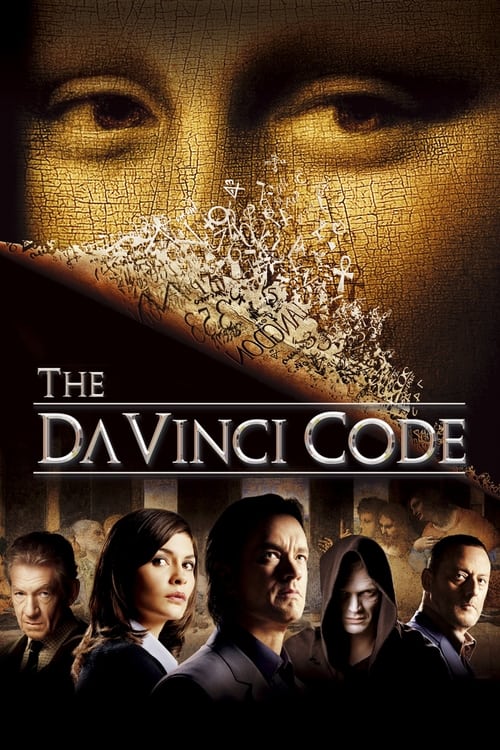
A murder in Paris’ Louvre Museum and cryptic clues in some of Leonardo da Vinci’s most famous paintings lead to the discovery of a religious mystery. For 2,000 years a secret society closely guards information that — should it come to light — could rock the very foundations of Christianity.
2009
1979
2016
2007
2010
1986
2007

2002
No reviews yet. Be the first to share your thoughts on this movie!
Use the rating form above to leave a star rating and optional review.