The Woman in Green
1945
No user ratings available yet
Representation score: 2.5 out of 10
Representation Score
Limited
1979
PGDirector
Bob Clark
Runtime
124 minutes
Average Rating
No ratings yetNew Showbiz Analysis
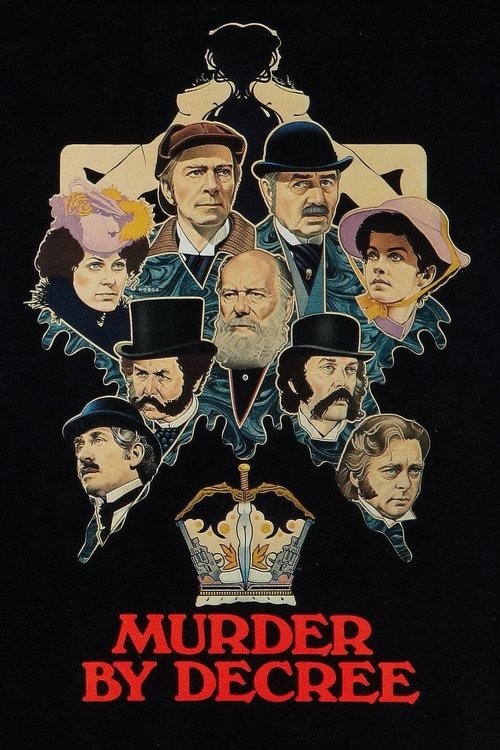
Murder by Decree is a traditional period thriller that focuses on the atmospheric elements of the genre and the historical context of Victorian London. It operates within the social hierarchies of the time, emphasizing detective work and the restoration of order. The film highlights class disparities and institutional secrecy but does not challenge the era's gender, racial, or sexual norms. It relies on established character types rather than individual ability to act to drive its mystery. Ultimately, the narrative adheres to a procedural format, providing a depiction of the 1880s that reflects the period's social and demographic constraints without attempting to deconstruct contemporary social issues.
Category Breakdown
The film strictly follows the social structures of the late 19th century, which assume everyone is straight and cisgender. There are no depictions of non-binary gender identities or same-sex relationships.
Female characters are mostly sidelined and serve primarily as victims of violence. The film highlights the dangers faced by women but does not give them much control over their own destinies.
The cast is predominantly made up of Anglo-Saxon characters, reflecting the demographics of the time. The story stays true to the era’s limited diversity without incorporating different ethnic backgrounds.
The story criticizes institutional corruption and the influence of secret societies like the Masons. It portrays social decay as a result of historical circumstances.
There is no meaningful portrayal of neurodivergence or physical disabilities. Characters are defined by their professional abilities or victimhood, not by living with disabilities.
Present on Screen
Limited or Absent
Official Synopsis
Sherlock Holmes is drawn into the case of Jack the Ripper, who is killing prostitutes in London's East End. Assisted by Dr. Watson, and using information provided by a renowned psychic, Robert Lees, Holmes finds that the murders may have their roots in a Royal indiscretion and that a cover-up is being managed by politicians at the highest level, all of whom happen to be Masons.
1945
1939
2009
1971
2001
1980
1980
1946
No reviews yet. Be the first to share your thoughts on this movie!
Use the rating form above to leave a star rating and optional review.