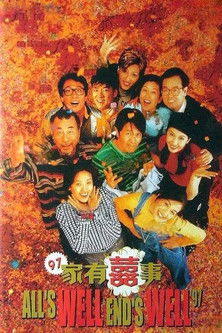
All's Well, End's Well '97
1997
No user ratings available yet
Representation score: 3.6 out of 10
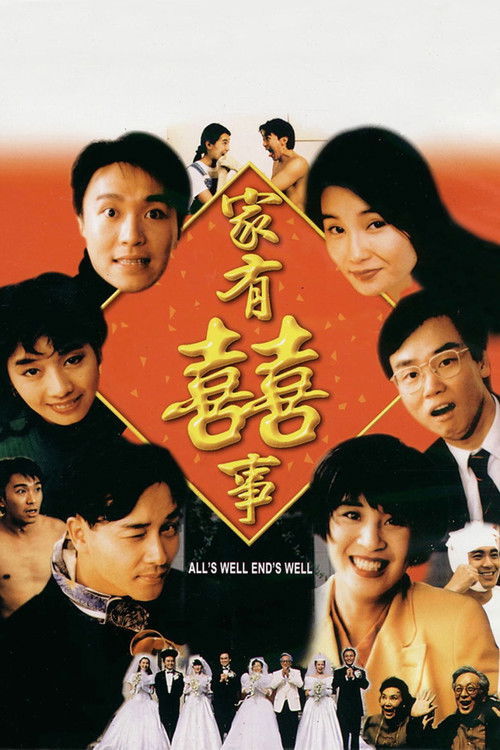
Representation Score
Minimal
1992
Not RatedDirector
Clifton Ko Chi-Sum
Runtime
100 minutes
Average Rating
No ratings yetNew Showbiz Analysis
All's Well, Ends Well is a genre-driven commercial comedy that prioritizes traditional narrative arcs. It focuses on social stability and established hierarchies rather than subverting them. The film offers a culturally authentic depiction of 1960s Hong Kong through its local cast and setting. However, it does not explore diverse identities or blend different aspects of identity. Ultimately, the film operates within the social norms of its era, favoring slapstick humor and romantic resolution over critical examinations of authority or traditional social structures.
Category Breakdown
The film follows traditional romantic patterns between male and female characters. Its comedic elements rely on conventional romances involving male protagonists and female love interests.
Male characters play a significant role in driving the story's chaos. Women are crucial to the plot but often serve as objects of pursuit or sources of domestic conflict.
The cast is predominantly Cantonese-speaking and reflects the cultural homogeneity of 1960s Hong Kong. It showcases the local urban landscape and socioeconomic diversity of the time.
The story emphasizes family unity and romantic resolutions. It serves as an escapist comedy that aligns with traditional social values rather than challenging them.
There are no characters with visible or invisible disabilities used as central plot devices or subjects of mocking humor.
Present on Screen
Limited or Absent
Official Synopsis
Three brothers living with their father fib and play pranks to win parental approval for themselves and their romances.
1997

1993
2009
1993
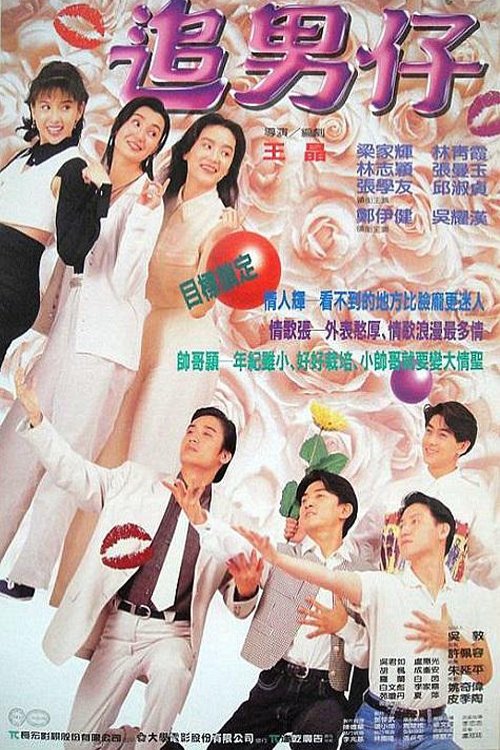
1993
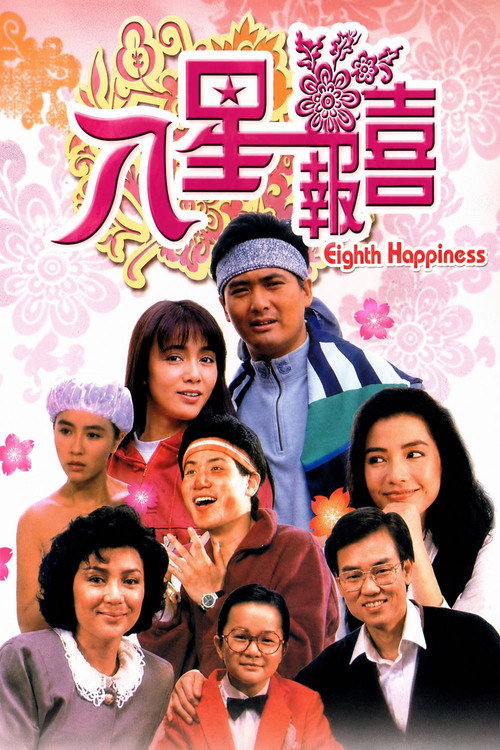
1988
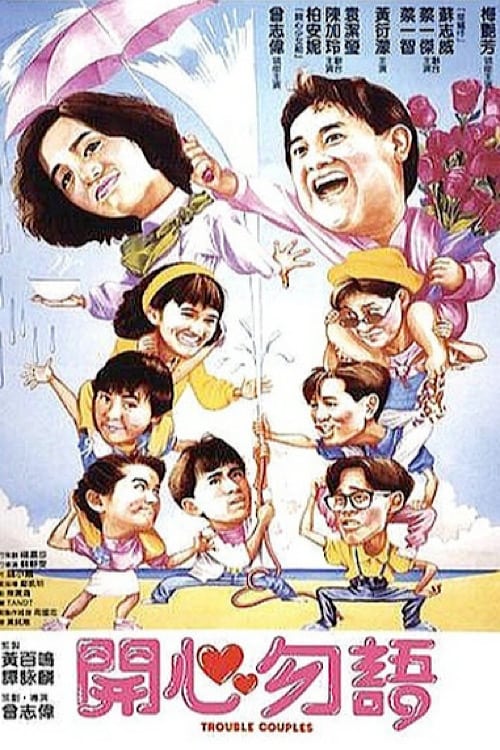
1987

1992
No reviews yet. Be the first to share your thoughts on this movie!
Use the rating form above to leave a star rating and optional review.