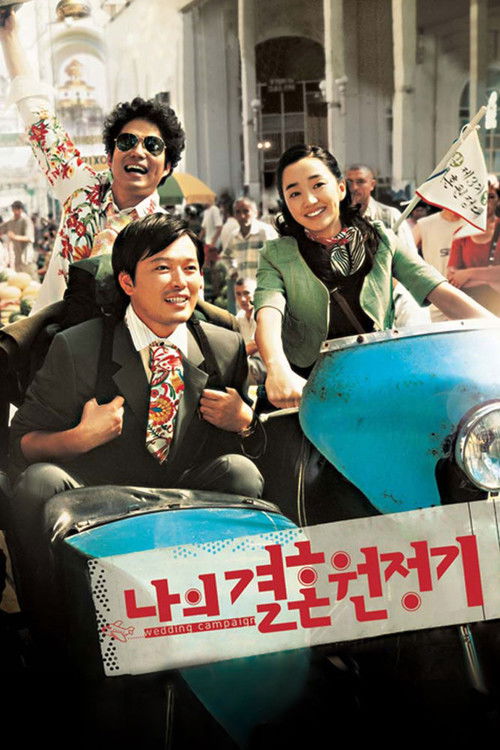
Wedding Campaign
2005
No user ratings available yet
Representation score: 2.0 out of 10

Representation Score
Limited
2009
PG-13Director
Dave Boyle
Runtime
83 minutes
Average Rating
No ratings yetNew Showbiz Analysis
White on Rice succeeds in complicating the traditional American rural narrative by featuring Japanese-American characters in a central family unit. This approach moves beyond including someone from a minority group without giving them real depth to present a nuanced, multi-ethnic domestic life in a non-traditional setting. However, the film remains tied to conventional social frameworks. The plot follows heterosexual relationship arcs and traditional gender roles, addressing the protagonist's stagnation through a quest for standard marriage. Ultimately, the film's strength lies in its ethnic casting and naturalist realism rather than an aggressive subversion of gender or sexual hierarchies.
Category Breakdown
The story centers on heterosexual relationships and the pursuit of marriage. There is no indication of same-sex relationships or non-binary gender identities.
Female characters such as Aiko play crucial roles within the domestic setting, providing stability and support. However, the narrative remains focused on traditional family structures and conventional marital goals.
The film includes Japanese-American characters set in a rural American context. This casting breaks homogeneous demographic expectations and presents a lived, multi-ethnic reality.
The narrative examines socioeconomic struggles and the tension between personal desires and family obligations. It depicts rural survival in a naturalist manner without challenging Western social norms.
There is no evident portrayal of physical or neurodevelopmental disabilities in the film.
Present on Screen
Limited or Absent
Official Synopsis
40-year-old Jimmy is growing up, or at least he's getting older. While mooching the upper bunk of his ten-year-old nephew's bed, he enjoys the never-ending generosity of his sister Aiko, and dodges the wrath of his impatient brother-in-law Tak. He thinks that if only he could get married all his problems would be solved. But when he falls head over heels for Tak's niece things only go from bad to worse.
2005
2006

2009
2009

2004
1993

2009
1990
No reviews yet. Be the first to share your thoughts on this movie!
Use the rating form above to leave a star rating and optional review.