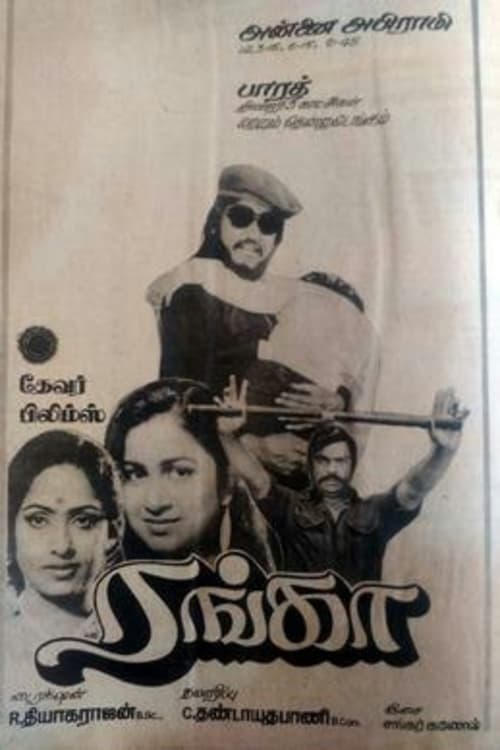
Ranga
1982
No user ratings available yet
Representation score: 1.8 out of 10

Representation Score
Limited
1985
Director
Rajashekar
Runtime
143 minutes
Average Rating
No ratings yetNew Showbiz Analysis
Kaakki Sattai operates as a typical 1980s action-drama, prioritizing genre clichés over progressive storytelling. The narrative structure reinforces traditional social hierarchies rather than challenging them. The film's focus is heavily centered on the male experience, particularly regarding professional failure and criminality. This leaves the female lead in a supporting role within the protagonist's emotional journey. While the film provides cultural representation within its specific Indian context, it lacks the depth or intentionality required to disrupt established social norms or provide complex character studies.
Category Breakdown
The film follows a traditional heterosexual romance between Murali and Uma. It does not include any characters with non-traditional gender identities or challenge standard romantic structures.
The plot centers around the male protagonist's struggle with identity and descent into crime. While Uma plays a key role in his emotions, the narrative is primarily driven by the male protagonist's actions.
The production reflects the local ethnic and cultural context of India. It does not attempt to disrupt historical norms through diverse ethnic mixing.
The story focuses on individual moral struggles and institutional failures. It highlights the protagonist's personal choices rather than critiquing broader societal issues.
There is no mention of characters dealing with physical, neurological, or mental health disabilities within the narrative.
Present on Screen
Limited or Absent
Official Synopsis
Murali, a young man training to become a police officer, falls in love with his neighbour Uma. After failing to make the grade, he gets disheartened and turns to a life of crime.
1982

2001

2003
1995
1986
1989

2001

2017
No reviews yet. Be the first to share your thoughts on this movie!
Use the rating form above to leave a star rating and optional review.