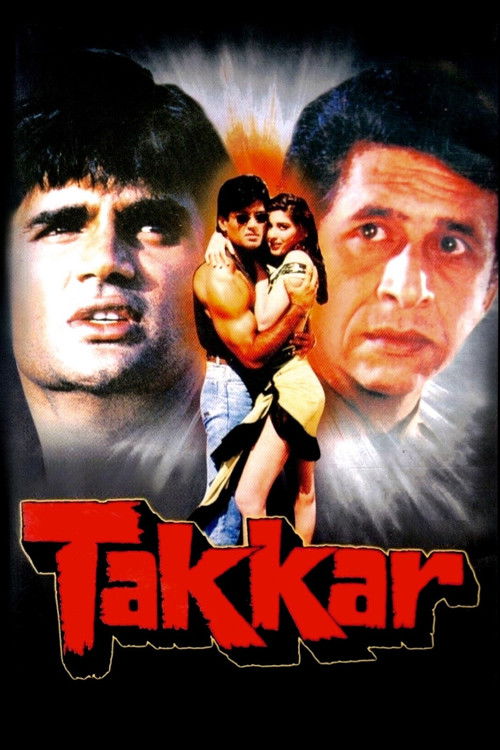
Takkar
1995
No user ratings available yet
Representation score: 3.5 out of 10
Representation Score
Limited
1995
Director
E.V.V. Satyanarayana
Runtime
165 minutes
Average Rating
No ratings yetNew Showbiz Analysis
Alludaa Majakaa is a product of its era, prioritizing mainstream commercial structures and domestic comedy over social critique. While it offers authentic regional representation for the Telugu community, it adheres strictly to the traditional hierarchies of 1990s regional cinema. The film fails to challenge established gender roles, keeping female characters in subordinate positions. Furthermore, its reliance on disability as a comedic caricature prevents any meaningful or respectful representation of neurodivergence. Ultimately, the work serves as a standard piece of regional entertainment that lacks intentionality regarding diverse representation or the subversion of cultural norms.
Category Breakdown
The film follows traditional patterns that assume everyone is straight or cisgender, typical of mid-90s regional cinema. There is no presence of LGBTQ+ identities or same-sex intimacy.
Female characters primarily serve as objects of affection or catalysts for the protagonist's deception. The narrative utilizes standard comedic formulas where women have secondary roles compared to the male-driven plot.
The cast is ethnically homogeneous, reflecting the regional South Indian context. It maintains a culturally authentic representation of the Telugu community without relying on Western archetypes.
The film reinforces traditional social and familial structures through a conventional moral framework. It focuses on domestic stability rather than critiquing institutions or systemic oppression.
The narrative uses perceived mental disability as a comedic tool for slapstick humor. This performance functions as a plot device rather than a nuanced portrayal of neurodivergence.
Present on Screen
Limited or Absent
Official Synopsis
Sitaram, the son of a rich man, is robbed of his wealth by his enemies. Later, he is wrongly arrested for murder but manages to get out of jail and avenges the injustice done to him and his family.
1995

2014
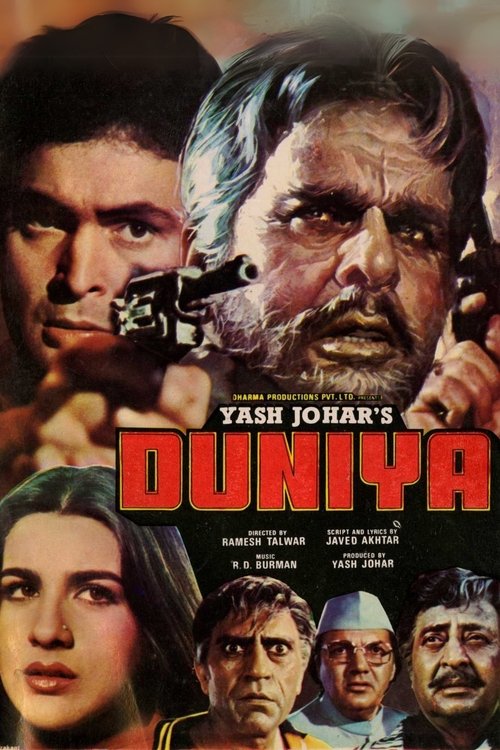
1984
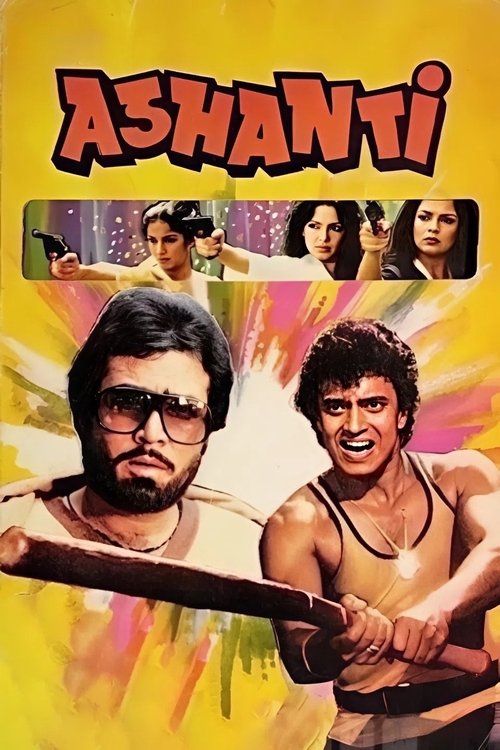
1982
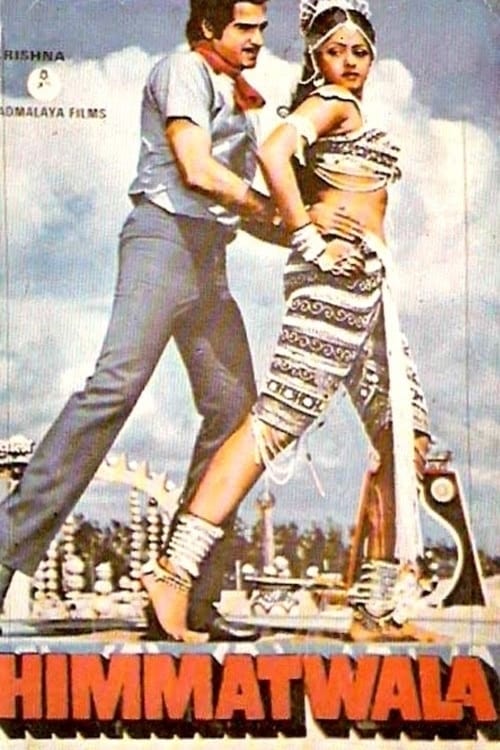
1983
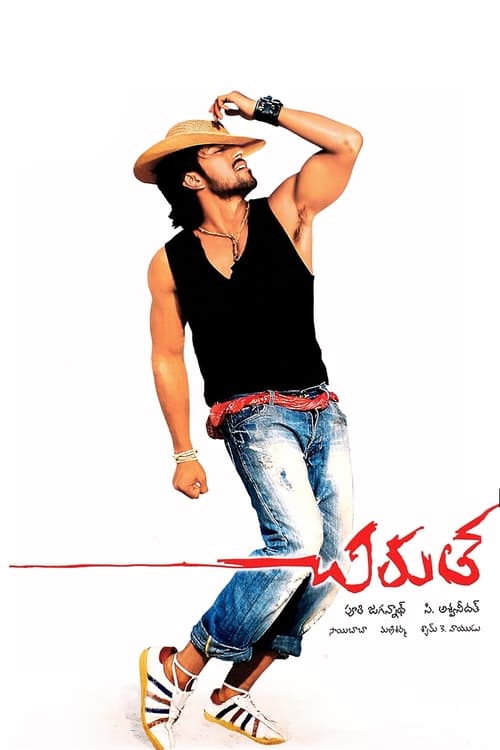
2007
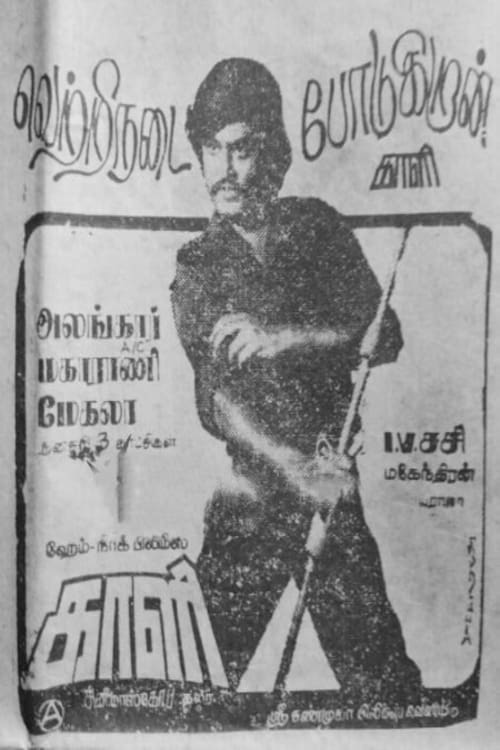
1980
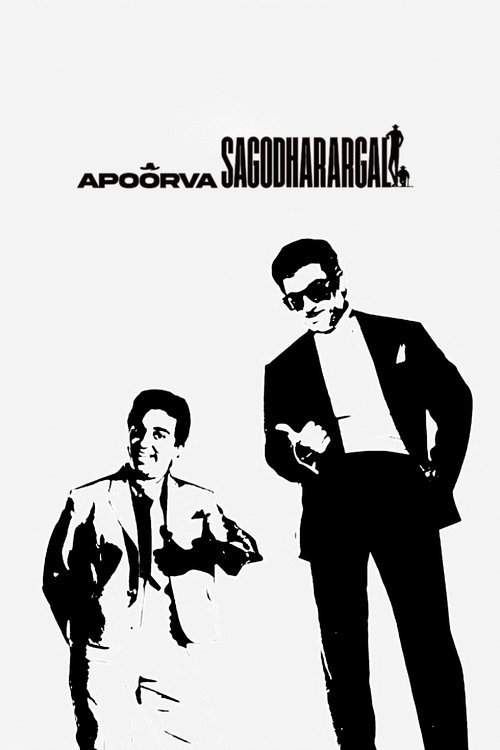
1989
No reviews yet. Be the first to share your thoughts on this movie!
Use the rating form above to leave a star rating and optional review.