Pardon My Nightshirt
1956
No user ratings available yet
Diversity score: 2.7 out of 10
No Poster Available
1948
ApprovedDirector
Jules White
Runtime
18 minutes
Average Rating
No ratings yetSynopsis
College professor Andy Clyde is on the lookout for a nightshirt bandit who is terrorising the campus.
Overall Score
Limited
Category Breakdown
LGBTQ+ Representation
The film lacks any evidence of LGBTQ+ characters or non-heteronormative identities. The plot focuses on a campus mystery involving a nightshirt bandit, utilizing standard gender archetypes of the era.
Gender Representation
The narrative centers on a male professor, reinforcing traditional gender hierarchies. There is no indication of female characters possessing significant agency or the subversion of masculine roles.
Racial & Ethnic Diversity
The production reflects the homogeneous casting norms of the late 1940s. The college campus setting appears to default to a white-centric demographic without diverse ensemble casting.
Religious & Cultural Diversity
The story operates within traditional Western institutional frameworks. It lacks any postmodernist critiques or subversions of social order, focusing instead on a conventional morality-based conflict.
Disability Representation
No characters with disabilities are featured as central plot devices. While the slapstick genre often uses physical clumsiness, there is no specific evidence of disability-based mockery here.
Strengths
Areas for Improvement
AI Analysis
Go Chase Yourself is a product of the mid-century Columbia Pictures short-subject ecosystem, prioritizing broad slapstick over social commentary. The film adheres strictly to the era's standard comedic tropes, focusing on physical humor and institutional stability. The narrative architecture is fundamentally conventional, centering on a male protagonist within a white-centric academic setting. It lacks the intentionality required to disrupt or represent diverse identities, reflecting the homogeneous casting and social norms of 1948. Ultimately, the film functions as a standard comedic short that reinforces existing social hierarchies rather than challenging them through intersectional storytelling.
1956
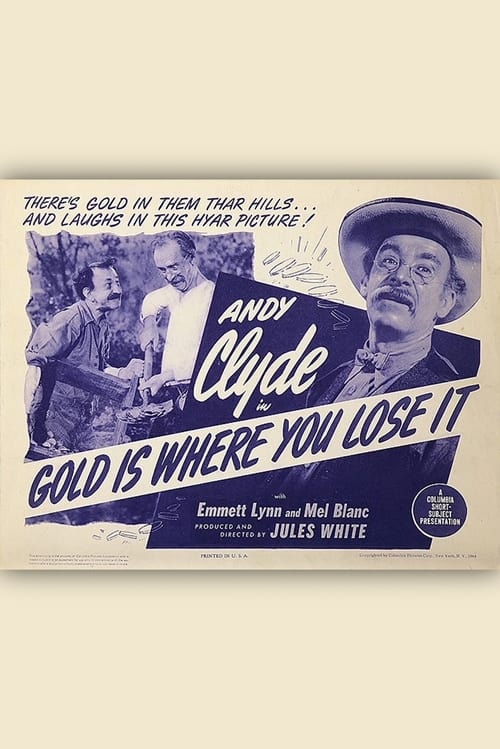
1944
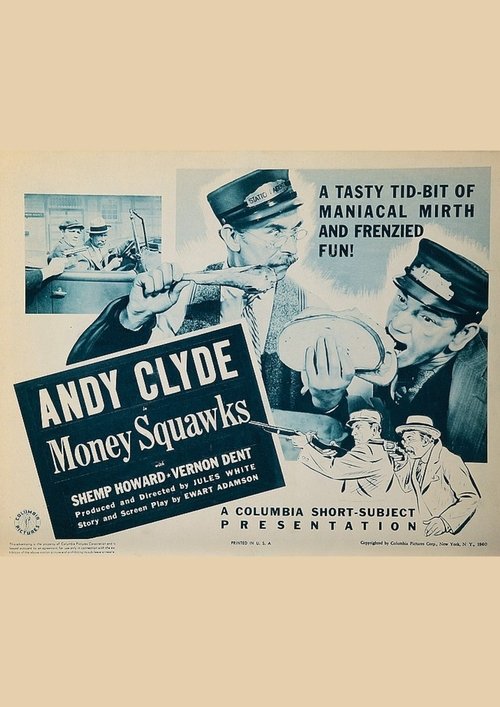
1940

1950
1946
1941
1944
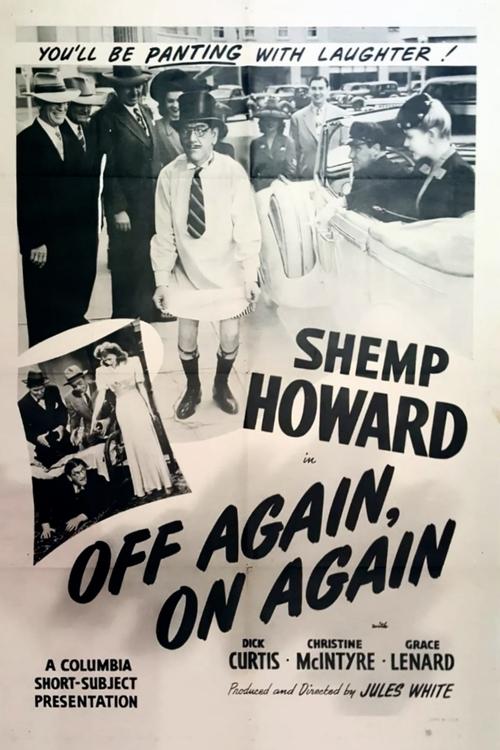
1945
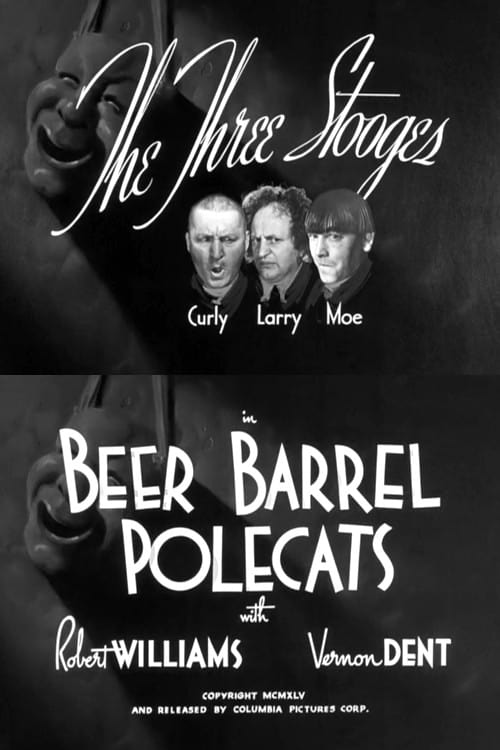
1946
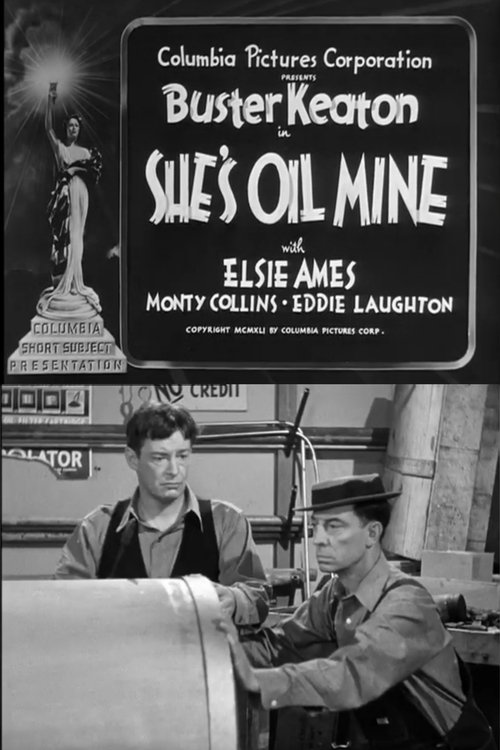
1941

1946
1952
No reviews yet. Be the first to share your thoughts on this movie!
Use the rating form above to leave a star rating and optional review.