
Nasha
2013
No user ratings available yet
Representation score: 2.9 out of 10
Representation Score
Good
2019
Director
Noboru Iguchi
Runtime
127 minutes
Average Rating
No ratings yetNew Showbiz Analysis
The film serves as a psychological deconstruction of adolescent social structures. It prioritizes the exploration of individual ability to act and systemic alienation over traditional demographic representation. While the film lacks diversity in race and LGBTQ+ identities, it provides a sophisticated critique of social institutions. It replaces conventional moral boundaries with a chaotic exploration of subjective truths. Ultimately, the work focuses on the breakdown of the character's psyche within a homogeneous environment, trading demographic breadth for depth in cultural and psychological subversion.
Category Breakdown
The film does not explicitly include LGBTQ+ identities or non-cisgender expressions. Obsessive interpersonal dynamics are portrayed as psychological issues rather than queer identities.
The story avoids traditional gender roles by focusing on the fragility and instability of male characters. This subverts expectations of masculine competence and strength.
The cast is primarily Japanese, reflecting the local demographics of an isolated town. There is no intentional blending of races or multi-layered diversity.
The film critiques social institutions such as parental authority and school hierarchies, portraying them as oppressive. It emphasizes individual psychological autonomy over collective stability.
Neurodivergent behaviors like obsession and social isolation drive the plot. However, these traits support the thriller elements rather than offering formal disability representation.
Present on Screen
Limited or Absent
Official Synopsis
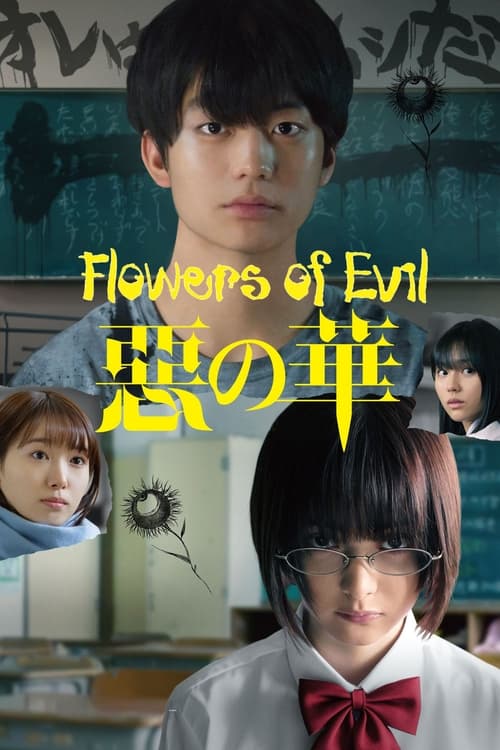
A high school student steals the panties of a girl he likes but is witnessed, which sets off a chain of events that send his life and the lives of others around him out of control.
2013
2005

2006

2003

1987

1993

2018

2017
No reviews yet. Be the first to share your thoughts on this movie!
Use the rating form above to leave a star rating and optional review.