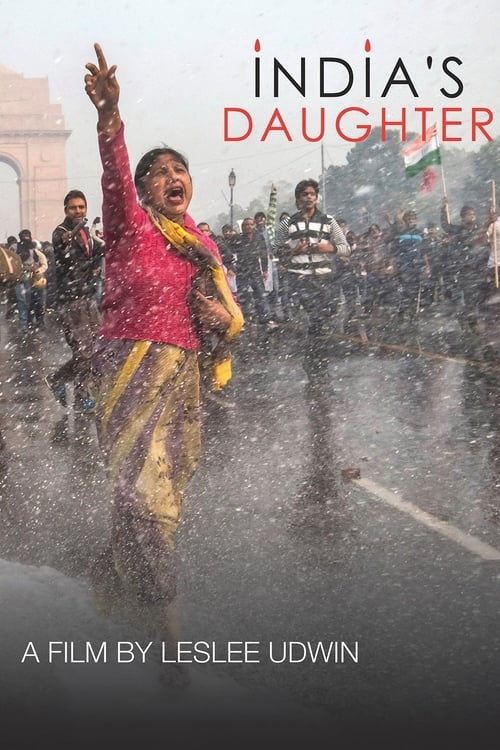
India's Daughter
2015
No user ratings available yet
Representation score: 4.8 out of 10
Representation Score
Excellent
2015
Director
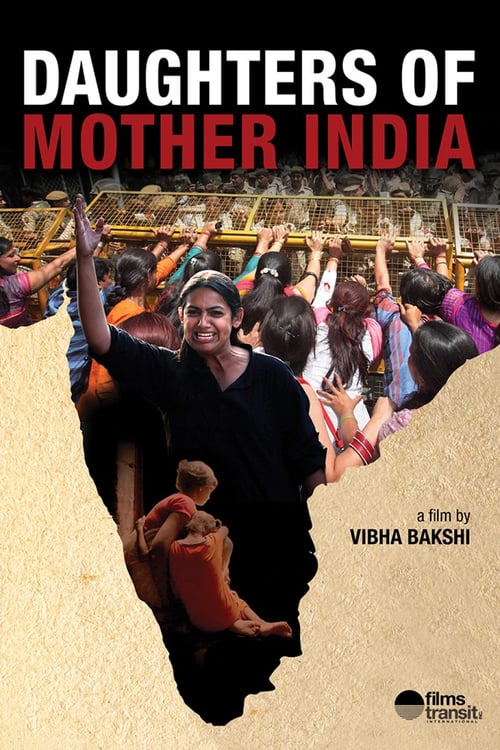
Vibha Bakshi
Runtime
45 minutes
Average Rating
No ratings yetNew Showbiz Analysis
Vibha Bakshi’s documentary is a powerful piece of social commentary that examines the tension between individual ability to act and systemic patriarchal control. It refuses to present a homogenized view of its subjects, instead offering a complex, layered view of women's experiences in India. The film's primary strength lies in its ability to disrupt traditional hierarchies by centering women's lived experiences. By documenting the fight against systemic misogyny, it challenges common stereotypes of female submissiveness and highlights the diverse identities within the Indian landscape. However, the film's scope is narrow regarding specific identity groups. While it excels at multi-layered gender and class analysis, it offers little visibility for LGBTQ+ individuals or those with disabilities.
Category Breakdown
The film focuses on the gendered experiences of women within a patriarchal framework. It does not include explicit visibility for non-straight or non-cisgender identities or specific LGBTQ narratives.
This documentary serves as a profound critique of patriarchal structures. It portrays women as active agents of social and legal change rather than passive victims.
The narrative features women across a wide spectrum of socioeconomic, religious, and ethnic backgrounds. It avoids a monolithic portrayal by highlighting how caste and class intersect with gender.
The film prioritizes the subjective truths of underrepresented individuals over state-sanctioned narratives. It critiques institutional failures and existing power dynamics within the social structure.
The documentary focuses primarily on the intersections of gender and class. There is no dedicated focus on neurodivergence or physical disability as central narrative drivers.
Present on Screen
Limited or Absent
Official Synopsis
This film examines how the fatal 2012 rape of a medical student has spurred India to start changing attitudes and laws about gender-based violence.
2015

2015
2014

2016
2023
2016

2010
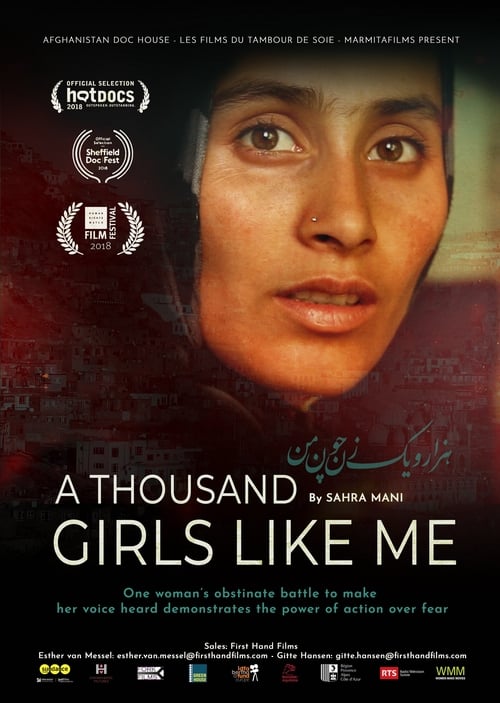
2018
No reviews yet. Be the first to share your thoughts on this movie!
Use the rating form above to leave a star rating and optional review.