
A Thousand Girls Like Me
2018
No user ratings available yet
Representation score: 6.8 out of 10
Representation Score
Fair
2023
Director
Nisha Pahuja
Runtime
128 minutes
Average Rating
No ratings yetNew Showbiz Analysis
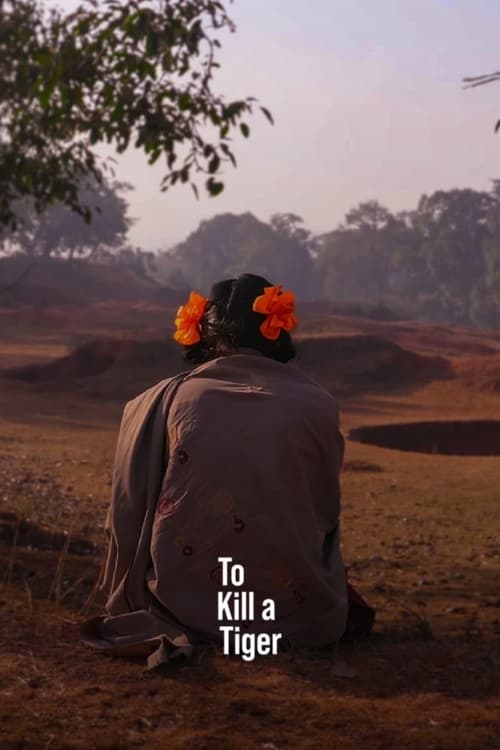
To Kill a Tiger is a powerful examination of systemic power imbalances in rural India. It succeeds by centering the ability to act of underrepresented subjects against entrenched institutional hierarchies, particularly through the subversion of traditional masculine roles. The film excels in its authentic, localized perspective, avoiding the common Western documentary lens. By focusing on an all-Indian cast and using culturally specific metaphors, it provides a deep exploration of identity and community. However, the film lacks representation for LGBTQ+ identities and does not feature characters with physical or neurodivergent disabilities. The narrative remains strictly focused on the specific intersection of gendered violence and patriarchal social structures.
Category Breakdown
The film does not include any LGBTQ+ characters or narratives. It focuses solely on gendered dynamics of sexual violence and patriarchal structures.
The documentary critiques traditional hierarchies by centering a father who challenges patriarchal norms to support his daughter. It portrays female victims and their families as the primary drivers of justice.
The film offers an authentic, non-Western perspective by centering an all-Indian cast in a rural setting. It avoids an outsider lens, using localized cultural imagery to explore systemic violence.
The narrative examines the tension between individual rights and oppressive communal morality. It portrays local legal and social institutions as complicit in systemic oppression.
There are no specific depictions of physical or neurodivergent disabilities. While the film explores psychological trauma, disability is not a central narrative device.
Present on Screen
Limited or Absent
Official Synopsis
Ranjit, a farmer in India, takes on the fight of his life when he demands justice for his 13-year-old daughter, the victim of a brutal gang rape. His decision to support his daughter is virtually unheard of, and his journey unprecedented.
2018

2023

2006

2020

2015

2015

2015

2016
No reviews yet. Be the first to share your thoughts on this movie!
Use the rating form above to leave a star rating and optional review.