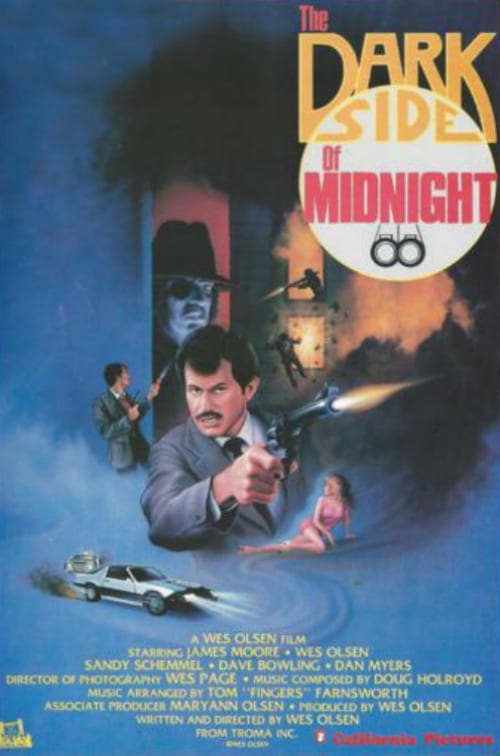
The Dark Side of Midnight
1984
No user ratings available yet
Representation score: 1.4 out of 10
Representation Score
Limited
1976
PGDirector
Herb Freed
Runtime
97 minutes
Average Rating
No ratings yetNew Showbiz Analysis
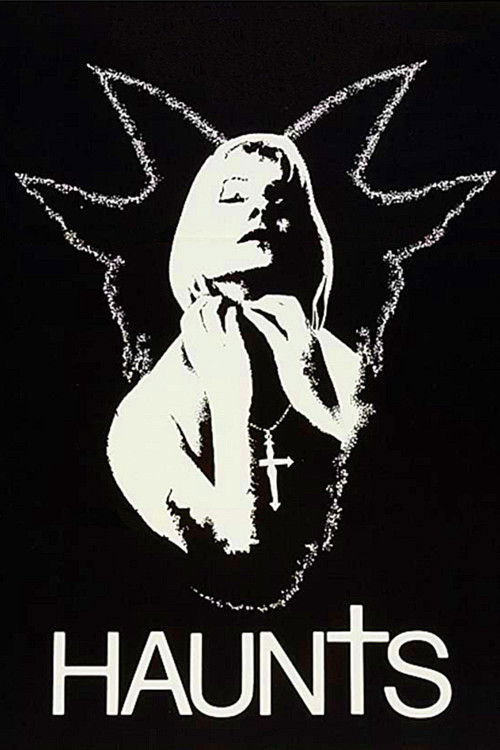
Haunts operates as a traditional 1970s psychological horror film, prioritizing individual trauma and suspense over social critique. The narrative centers on a woman's internal nightmares and a localized crime spree, using standard genre clichés. The film lacks clear evidence of identity-based representation or the subversion of social hierarchies. It appears to follow the stylistic conventions of its era, focusing on psychological instability and law enforcement rather than systemic diversity. Ultimately, the work functions as a standard genre piece that emphasizes individual psychological states within a likely homogeneous small-town setting.
Category Breakdown
The film touches on psychosexual nightmares, a theme often associated with repressed sexuality. However, there is no clear indication of non-straight relationships or narratives that challenge the assumption that everyone is straight.
A female character drives the psychological tension, playing a central role in the plot. This focus may limit her to roles defined by vulnerability or instability, common in 1970s genre clichés.
The small-town setting suggests a potentially homogeneous social structure. There is no evidence of a diverse or non-Anglo-Saxon majority cast within the narrative.
The story follows traditional law enforcement archetypes through a local sheriff. It adheres to a standard investigative structure without challenging social institutions or cultural themes.
No information is available regarding the depiction of neurodivergence or physical disabilities. The film only implies the protagonist's psychological distress.
Present on Screen
Limited or Absent
Official Synopsis
A woman is haunted by psychosexual nightmares while a maniac commits a series of brutal scissor murders. The local smalltown sheriff must find the connection before it's too late.
1984
1977
1986
1970
1986
1980
1992

2024
No reviews yet. Be the first to share your thoughts on this movie!
Use the rating form above to leave a star rating and optional review.