The Right Connections
1997
No user ratings available yet
Representation score: 1.8 out of 10
Representation Score
Limited
2000
TV-PGDirector
Bradley Wigor
Runtime
100 minutes
Average Rating
No ratings yetNew Showbiz Analysis
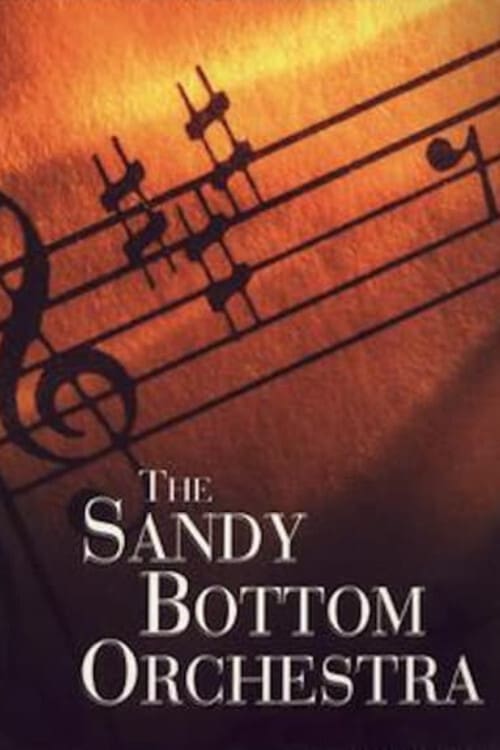
The Sandy Bottom Orchestra is a traditional domestic drama that prioritizes communal stability and regional realism. It focuses on the reconciliation of individual musical ambitions with the established rhythms of a Midwestern farming community. While the film offers a nuanced look at family dynamics, it does not seek to disrupt social hierarchies. The narrative structure relies on conventional gender roles and a homogeneous demographic, celebrating local institutions rather than critiquing them. Ultimately, the film serves as a portrait of social cohesion. It finds value in the preservation of tradition and the strength of the nuclear family unit.
Category Breakdown
The film focuses on a traditional nuclear family and a stable heterosexual marriage. There are no non-conforming gender or sexual identities, and the story does not challenge traditional social structures.
Rachel plays a significant role through her musical talent, while parental roles remain conventional. Ingrid's character arc involves putting off her career for marriage, which reinforces established domestic patterns.
The story centers on a homogeneous Midwestern dairy farming community. The narrative appears to reinforce a traditional, localized depiction of rural American life without diverse casting.
The plot highlights community cohesion and the preservation of local traditions like the Dairy Days celebration. It promotes social stability and traditional Western values of communal connection.
No visible or invisible disabilities are identified within the main character arcs or the central family narrative.
Present on Screen
Limited or Absent
Official Synopsis
The young-adult novel by Garrison Keillor and Jenny Lind Nilsson gets a lively update in this Showtime feature about an unusual family in Sandy Bottom, Wisconsin. The Greens share musical aspirations, but daughter Rachel (Madeline Zima), a talented violinist, is the one most likely to achieve them. Norman (Tom Irwin) is a dairy farmer and Ingrid (Glenne Headly) is a choir director who abandoned the piano when she married and settled down, but the Greens are a happy family, for the most part. The trick is finding a way to reconcile their dreams with a reality that may hold more riches than they realize. When Norman gets a chance to conduct the local orchestra for the Dairy Days celebration, it's an opportunity for the family to come together, not just with each other, but with a community they had never fully appreciate
1997
2018
1995
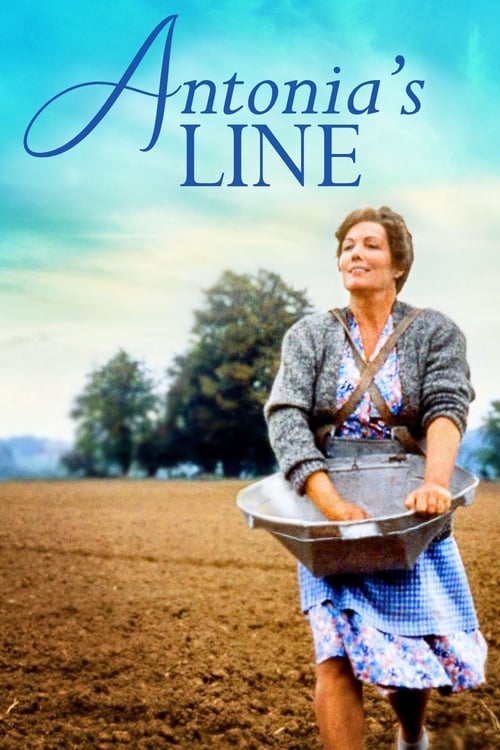
1995
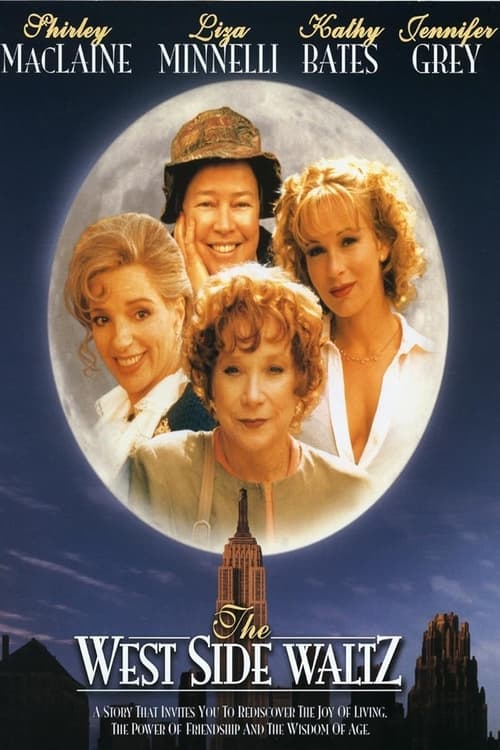
1995

2014
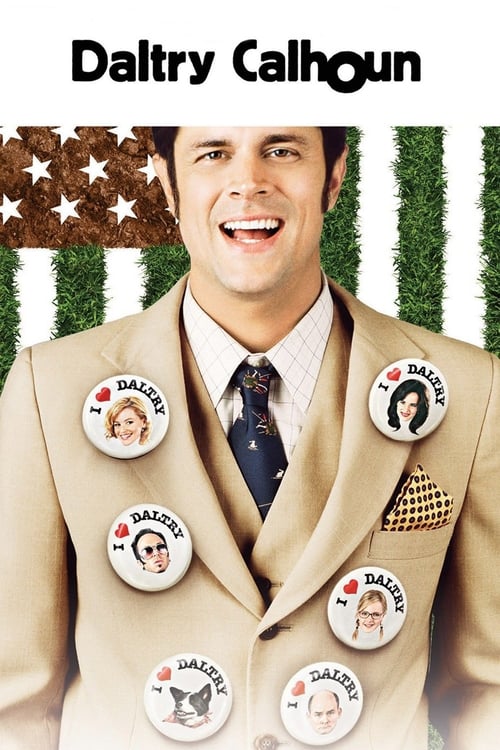
2005
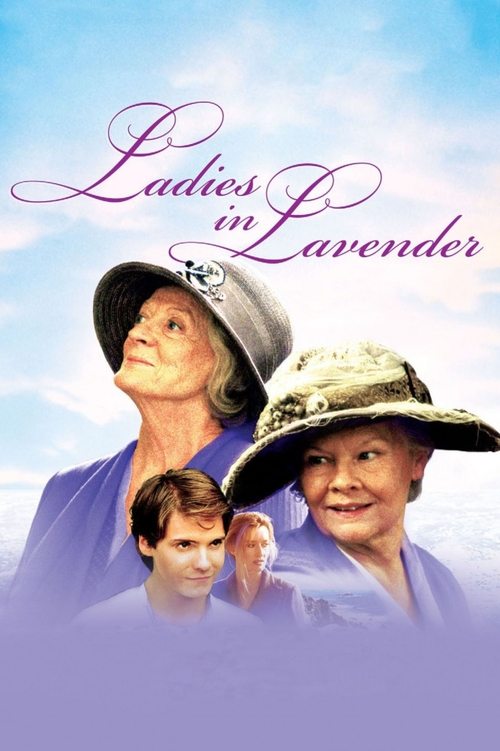
2004
No reviews yet. Be the first to share your thoughts on this movie!
Use the rating form above to leave a star rating and optional review.