The Weed Whacker Massacre
2017
No user ratings available yet
Diversity score: 2.4 out of 10
1983
NRDirector
Wayne Berwick
Runtime
76 minutes
Average Rating
No ratings yetSynopsis
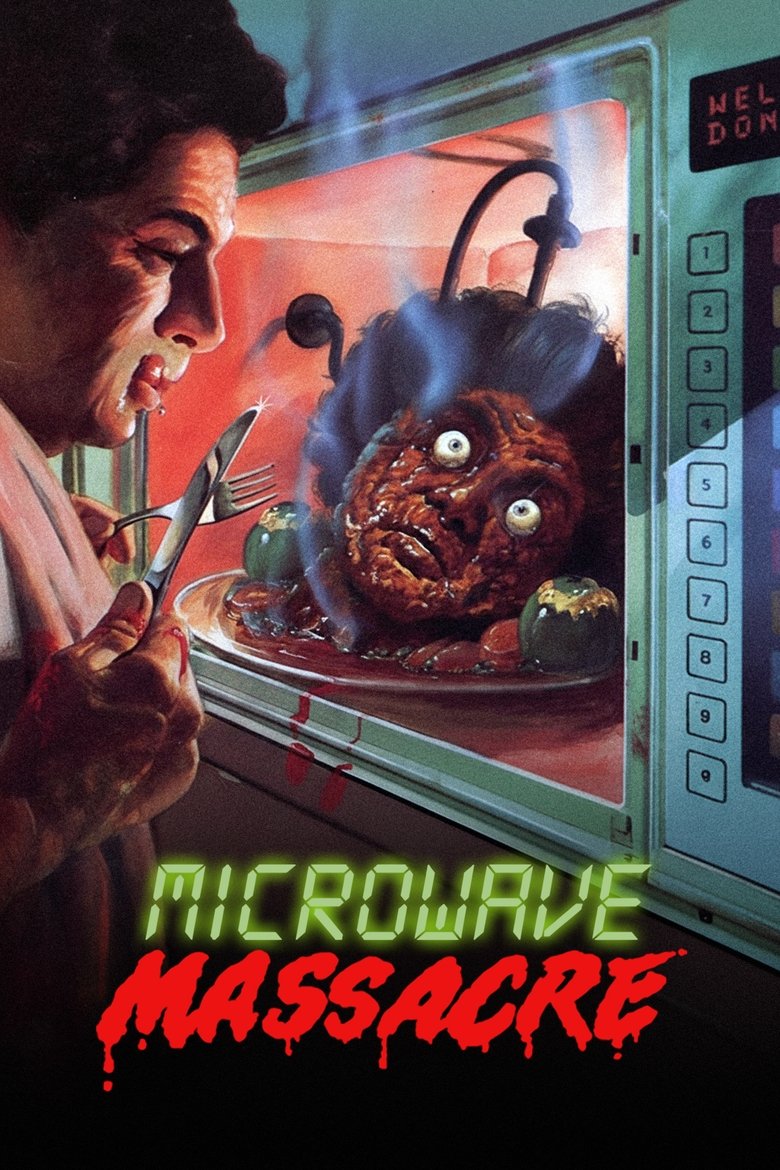
Construction worker Donald is having a hard time getting anything good to eat since his wife has decided to only cook gourmet foods. That and her constant harping causes him to snap, so he whacks her. Somewhere in the confusion he comes up with a new use for the microwave oven, and begins to eat much better. Soon he's experimenting with different recipes. And different meats.
Overall Score
Minimal
Category Breakdown
LGBTQ+ Representation
The film focuses on a domestic conflict between a husband and wife. There is no evidence of queer narratives or non-cisnormative identities.
Gender Representation
The story relies on regressive tropes involving marital friction and domestic dissatisfaction. The protagonist's violent response to his wife reinforces traditional, dysfunctional gender hierarchies.
Racial & Ethnic Diversity
The narrative appears to center on a conventional Western domestic setting. There is no indication of a diverse or non-Anglo-Saxon cast.
Religious & Cultural Diversity
The film presents a nihilistic breakdown of the nuclear family unit. It lacks a framework for systemic critique or cultural complexity.
Disability Representation
There is no evidence of characters with visible or invisible disabilities within the provided narrative.
Strengths
Areas for Improvement
AI Analysis
Microwave Massacre is a dark, niche horror-comedy that operates within the conventional constraints of its era. The film centers on a singular, violent character study rooted in a breakdown of the nuclear family, offering little in the way of social subversion. The narrative relies heavily on regressive domestic tropes. By framing the wife as a source of tension and the husband as a violent respondent, the film reinforces traditional, albeit dysfunctional, gender dynamics rather than challenging them. Overall, the production lacks intentionality regarding intersectional representation. It functions as a standard genre exercise that avoids complex racial, cultural, or queer perspectives in favor of a localized, nihilistic domestic conflict.
2017
1988
2001
1969

1991
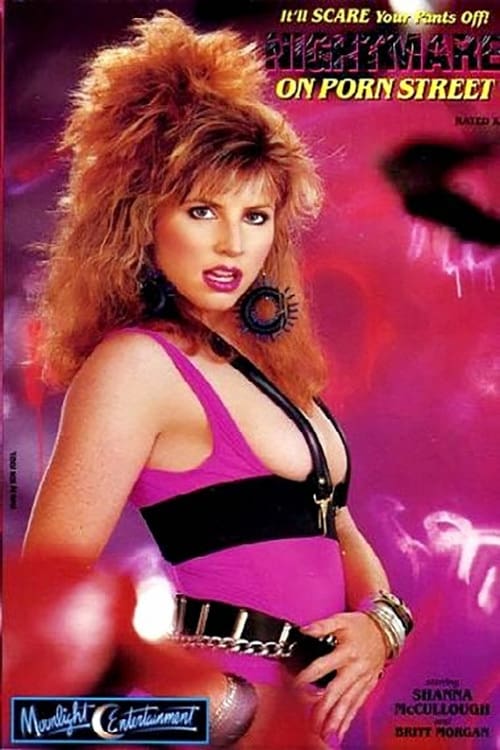
1988
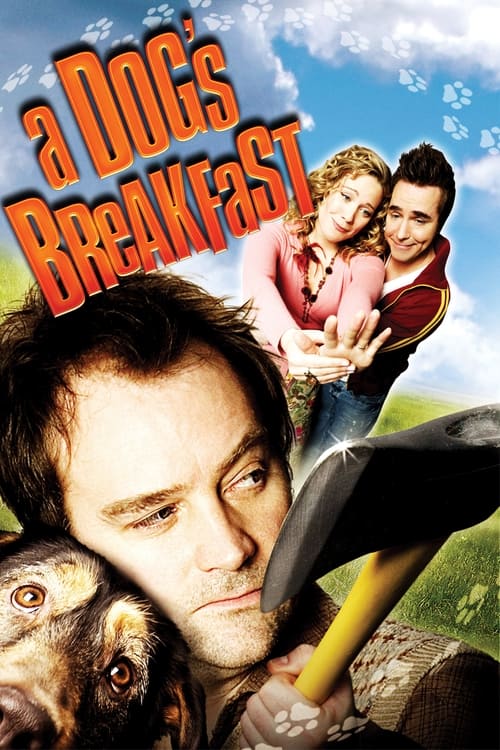
2007
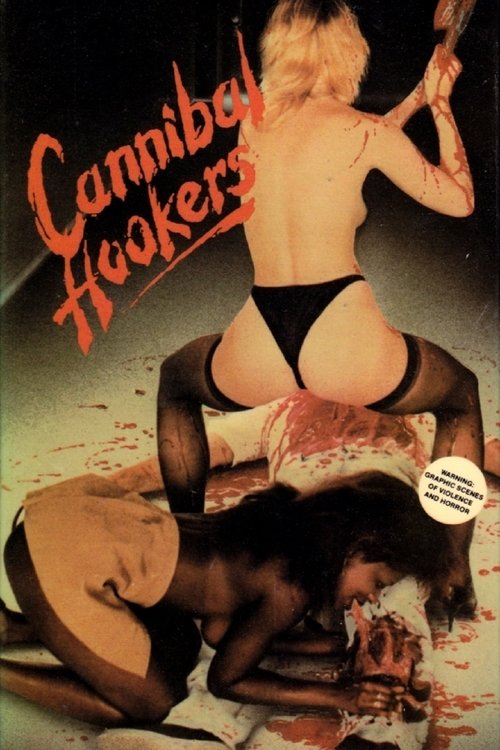
1987

1993
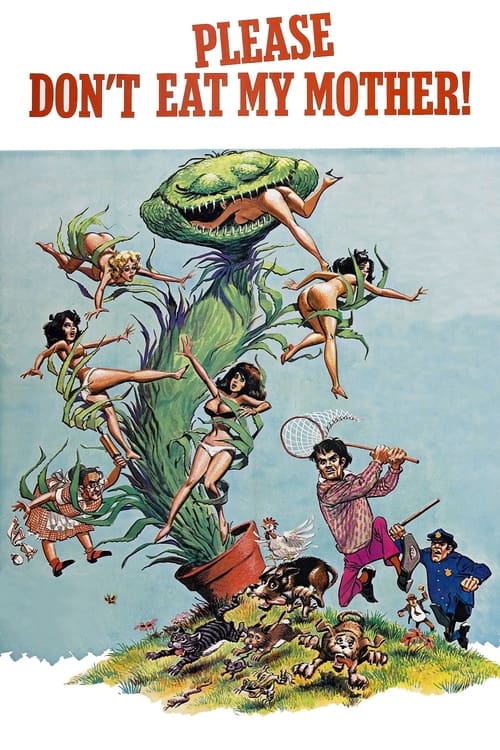
1973
1997
2005
No reviews yet. Be the first to share your thoughts on this movie!
Use the rating form above to leave a star rating and optional review.