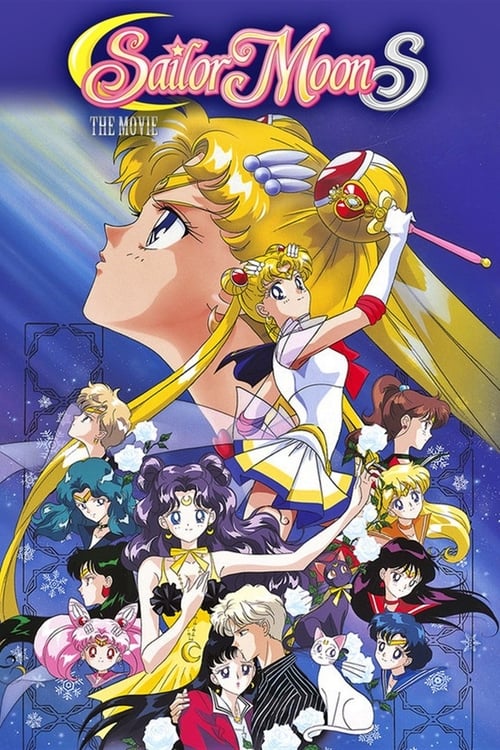
Sailor Moon S the Movie: Hearts in Ice
1994
No user ratings available yet
Representation score: 8.0 out of 10
Representation Score
Good
1995
TV-14Director
Hiroki Shibata
Runtime
60 minutes
Average Rating
No ratings yetNew Showbiz Analysis
This film stands out for its progressive approach, particularly in handling gender and LGBTQ identities. By placing a collective of female warriors at the center, it successfully dismantles traditional protective narratives and empowers women. While the bond between Haruka and Michiru challenges conventional romantic expectations, the film remains culturally specific. The cast lacks significant racial or ethnic diversity, reflecting its Japanese production context. Ultimately, the film’s strength lies in its thematic depth, using the concept of ‘dreams’ to explore the significance of reality and human connection over escapism.
Category Breakdown
The film highlights the relationship between Haruka and Michiru, which is crucial to the team's strength. Their bond gives significant power to those with diverse gender identities, moving away from typical romantic clichés.
Women play key roles throughout the film, demonstrating strong physical and mental capabilities. The story rejects the damsel-in-distress cliché, emphasizing female solidarity and leadership.
The cast predominantly consists of Japanese actors, reflecting the cultural origins of the production. Despite a lack of ethnic diversity, the film avoids harmful stereotypes and focuses on character development.
The storyline delves into a nuanced morality concerning dreams versus reality. It prioritizes humanistic connections and personal awareness over the oppressive control of a dream-filled world.
There are no prominent portrayals of visible or invisible disabilities that significantly impact the plot or serve as central character arcs.
Present on Screen
Limited or Absent
Official Synopsis
The wicked Badiyanu has come to capture all Earth's children to gain enough power to absorb the planet in her Black Dream Hole. The Black Dream Hole is in Badiyanu's castle and absorbs the dream energy from children. The more children Badiyanu kidnaps, the larger the dream hole gets. The Sailor Team must save Earth's children and prevent the Black Dream Hole from enveloping the entire planet!
1994
1993
1994

2012
2016

2020
2018
2010
No reviews yet. Be the first to share your thoughts on this movie!
Use the rating form above to leave a star rating and optional review.