
Wild Love
1955
No user ratings available yet
Representation score: 3.6 out of 10
Representation Score
Limited
1958
Director
Aurel Miheleș
Runtime
77 minutes
Average Rating
No ratings yetNew Showbiz Analysis
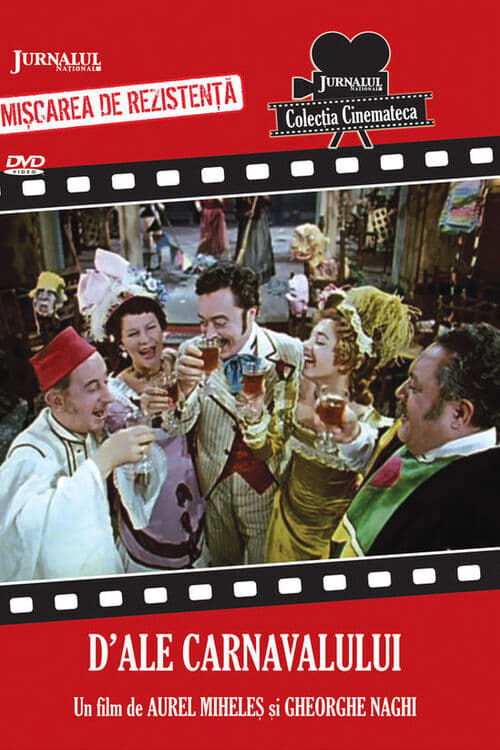
D'ale carnavalului is a traditional period comedy inspired by folk traditions. It uses the chaos of a carnival to disrupt domestic harmony, yet the core conflicts remain tied to conventional romantic themes. The film lacks complexity in addressing multiple aspects of identity, focusing instead on the pursuit and punishment driven by jealousy. While women are central to the plot's energy, they operate within established social hierarchies. Ultimately, the work functions as a localized Romanian narrative, prioritizing situational comedy and interpersonal dynamics over systemic critiques of power or identity.
Category Breakdown
The story revolves around traditional romantic jealousy and infidelity. There is no depiction of same-sex relationships or non-cisgender identities.
Women play key roles in the emotional turmoil caused by romantic competition. However, the male protagonist remains central within a traditional heterosexual framework.
The film showcases a culturally uniform Romanian setting. It reflects the period-specific casting typical of 1950s Eastern European cinema.
The carnival atmosphere allows for a temporary break from usual social norms. The story focuses on personal conflicts rather than religious or institutional critiques.
The film does not include any representation of physical or neurodevelopmental disabilities.
Present on Screen
Limited or Absent
Official Synopsis
Nae Girimea, a barber from a late 19th-century Bucharest neighborhood, finds a new mistress, Didina. This event sparks the insane jealousy of his 'soulmate' mistress, Mita Baston, as well as that of the violent Pampon, Didina's official lover. Caught in this whirlwind of pursuit and punishment of the daring barber, all taking place during a carnival, is also Crăcănel, Mita’s official benefactor.
1955
1970

1950
1950
1982
1962

1991
1981
No reviews yet. Be the first to share your thoughts on this movie!
Use the rating form above to leave a star rating and optional review.