
Wikileaks: Secrets and Lies
2012
No user ratings available yet
Representation score: 8.0 out of 10

Representation Score
Limited
2024
RDirector
Kym Staton
Runtime
128 minutes
Average Rating
No ratings yetNew Showbiz Analysis
The documentary primarily serves as a critique of institutional power structures rather than a study of identity-based representation. Its strength lies in challenging the opacity of state power and advocating for information democratization. While the film effectively critiques traditional Western institutions, it lacks depth in representing LGBTQ+ individuals and disabilities. The narrative remains centered on a specific geopolitical struggle, limiting its exploration of racial and gender diversity despite its global scope.
Category Breakdown
The documentary focuses on political transparency and press freedom. It does not include characters with LGBTQ+ identities or explore themes related to non-traditional gender identities.
The narrative centers on Julian Assange's personal risks. While it examines the gendered implications of state surveillance, it does not provide specific examples of women taking a leading role.
The film involves global intelligence and international governments. However, the core narrative remains driven by Western-aligned governments and a central figure of specific descent.
The film critiques traditional Western institutions and state power. It prioritizes the right to know over official state-sanctioned narratives and institutional secrecy.
There is no indication that the film addresses neurodivergence, physical disabilities, or mental health conditions as central narrative elements.
Present on Screen
Limited or Absent
Official Synopsis
Examining the meaning and significance of the insights that WikiLeaks shared with the world, the resulting behaviour of the governments involved, the extraordinary personal risk taken by Assange, and the wider fundamental issues around press freedom that affect all of us and our right to know.
2012
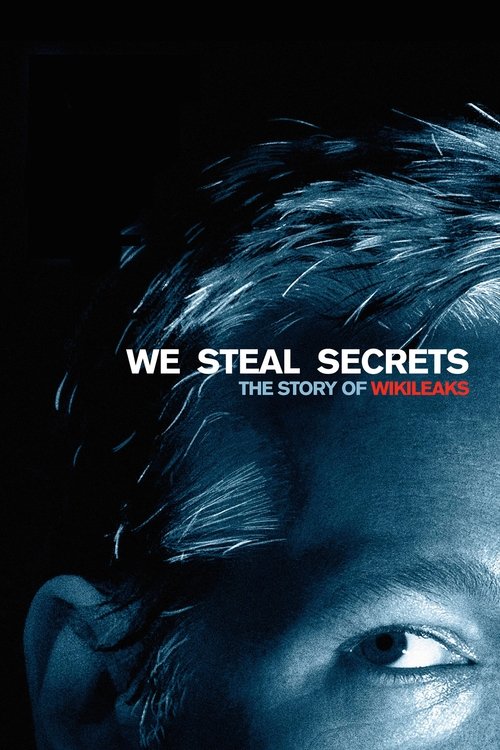
2013

2013
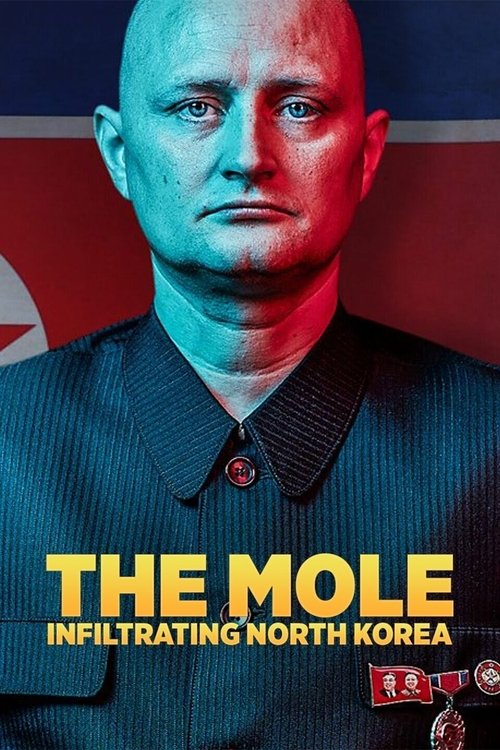
2020
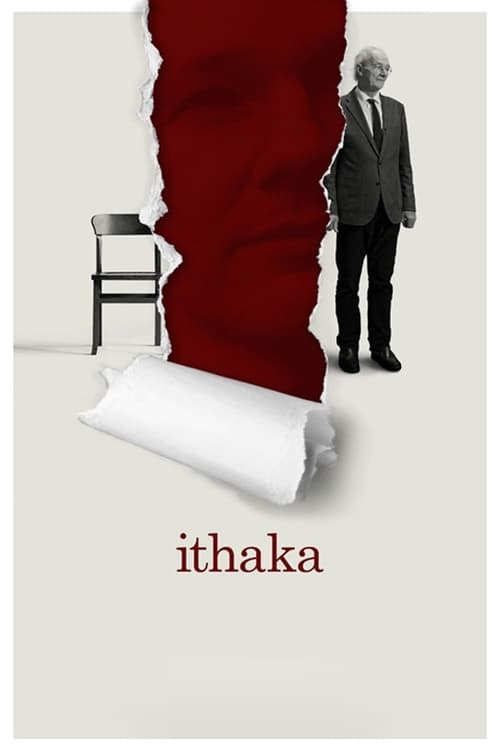
2022
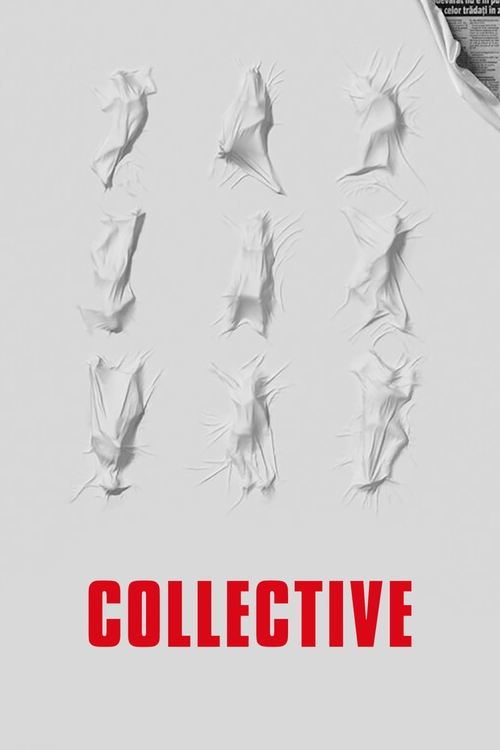
2019

2013
2011
No reviews yet. Be the first to share your thoughts on this movie!
Use the rating form above to leave a star rating and optional review.