Quixote
1965
No user ratings available yet
Representation score: 4.5 out of 10
Representation Score
Limited
1966
Director
Bruce Baillie
Runtime
5 minutes
Average Rating
No ratings yetNew Showbiz Analysis
Bruce Baillie’s experimental short functions as a sensory study rather than a narrative feature. Since the film lacks dialogue, plot, or a cast, it cannot engage with complex social dynamics or systemic critiques. While the work challenges mainstream cinematic hierarchies through its avant-garde structure, its narrow focus on a single subject limits its capacity for characters who reflect more than one aspect of diversity. It succeeds as a non-conformist piece of media but lacks the breadth for high-level diversity metrics. The score reflects the inherent limitations of the medium's short, experimental format.
Category Breakdown
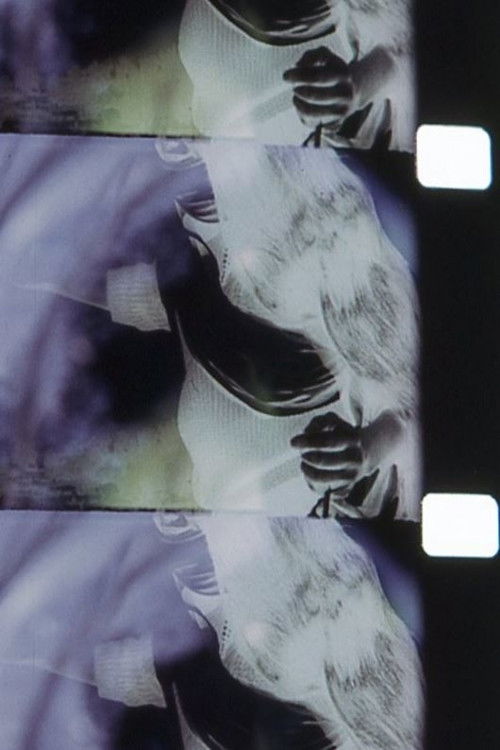
The film uses sensual imagery and close-ups that go beyond the typical standards of the 1960s. However, it doesn't show any explicit queer relationships or identities.
The movie centers around a single person and avoids traditional gender roles or hierarchies. It doesn't have enough complexity to challenge deeper power dynamics.
The film is a focused portrait of one person with light skin and blonde hair. There is no indication of a multi-ethnic cast.
As a tone poem, the film rejects Western storytelling norms such as linear cause and effect. It prioritizes subjective, sensory experiences over traditional moral teachings.
There is no evidence within the film to suggest the inclusion or portrayal of disability.
Present on Screen
Limited or Absent
Official Synopsis
One of San Francisco Cinematheque co-founder Bruce Baillie's sensuous tone poems, TUNG is a portrait of a friend; sandy skin and flaxen hair in the early-morning light.
1965
1963
1971
1966
1965

1955

1958
1971
No reviews yet. Be the first to share your thoughts on this movie!
Use the rating form above to leave a star rating and optional review.