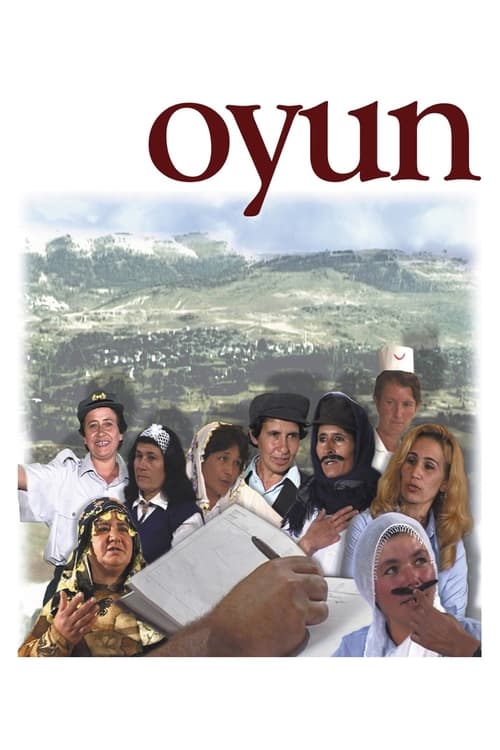
The Play
2005
No user ratings available yet
Representation score: 6.6 out of 10
Representation Score
Good
2019
Director
Pelin Esmer
Runtime
84 minutes
Average Rating
No ratings yetNew Showbiz Analysis
Queen Lear is a powerful deconstruction of the Western canon, transposing Shakespearean archetypes onto a collective of peasant women in rural Turkey. It moves beyond simple adaptation to facilitate a dialogue between high-art traditions and the material realities of underrepresented women. The film successfully shifts the narrative focus from individual masculine power to collective female resilience. By centering these women, the documentary disrupts traditional hegemony and challenges the universality of the male-centric tragic hero. Ultimately, the work serves as a sophisticated critique of systemic neglect and urban-centric narratives, using the journey through remote villages to amplify voices on the socio-economic periphery.
Category Breakdown
While the film doesn't explicitly focus on LGBTQ+ identities, it dismantles patriarchal structures, creating a space that is inclusive of diverse perspectives.
The film centers on a female theater troupe, transforming the masculine authority of the original play into a profound exploration of female power and resilience.
By setting a Western classic in a Turkish context, the film highlights the experiences of rural, non-urban populations, often sidelined in mainstream cinema.
Through the lens of the women's journey, the film prioritizes underrepresented voices over institutional authority, engaging with systemic critiques.
There are no prominent depictions of physical or neurodivergent disabilities used as central plot devices in the documented narrative.
Present on Screen
Limited or Absent
Official Synopsis
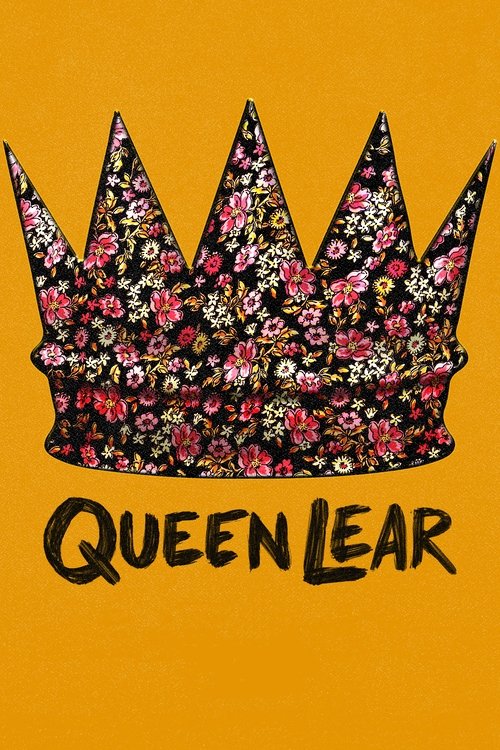
Shakespeare's 'King Lear' travelling on the dusty and risky roads to the remotest forgotten villages in the mountains of Turkey where even drinking water can hardly reach, turns delicately into 'Queen Lear' in the hands of a peasant-women theatre group. In the early 2000s, a handful of peasant women from the mountains of southern Turkey formed a theater group, which later became the subject of the documentary, The Play. The women acted out their own life stories in the village, and the play changed their lives. Now, they take to the road with an adaptation of Shakespeare's King Lear, traveling the dusty, dangerous roads to the farthest-flung mountain villages where there isn't even running water. On the road, their lives merge with the world of King Lear and become bound up with "the good and the bad", "the young and the old", "the rich and the poor", "the honest and the dishonest" of the play.
2005

2012
2017
2000
2005
2016
1968
2011
No reviews yet. Be the first to share your thoughts on this movie!
Use the rating form above to leave a star rating and optional review.