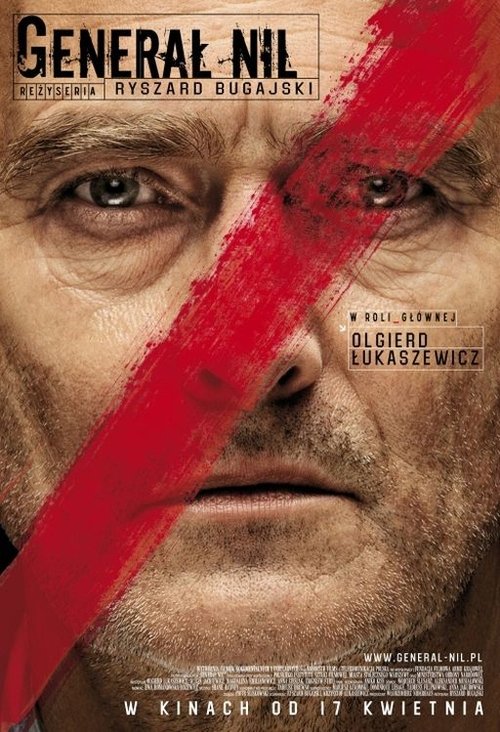
General Nil
2009
No user ratings available yet
Diversity score: 2.1 out of 10
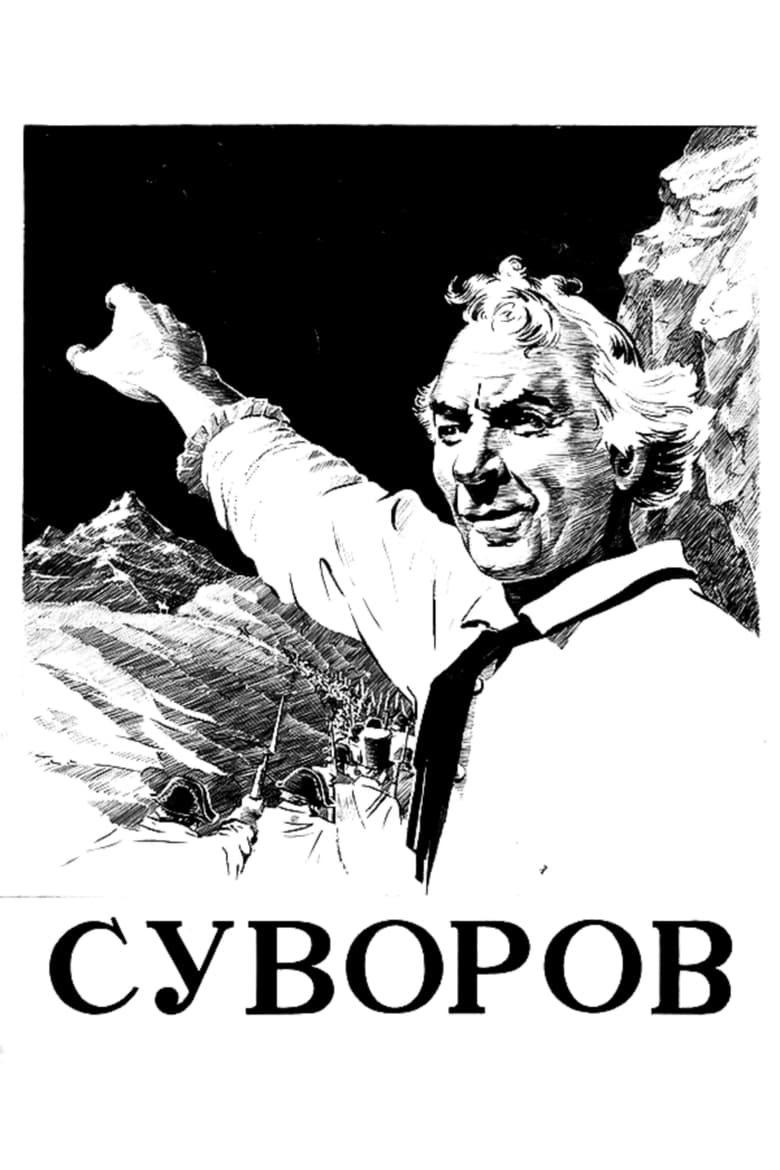
1941
PassedDirector
Mikhail Doller, Vsevolod Pudovkin
Runtime
100 minutes
Average Rating
No ratings yetSynopsis
Primarily a biographical documentary about the military career of Alexander Vasilvich Suvorov, who was Field Marshal of the armies of Catherine the Great and Czar Paul I. After many military successes during the reign of Catherine, General Suvorov broke with her successor, Paul I, the Mad Emperor, over questions regarding army policy. He went into retirement and wrote "The Science of Victory," containing maxims such as "Swiftness of movement accompanies victory," and "the real general is he who defeats the enemy before reaching him." The czar recalled Suvorov to become the leader of the joint armies of Russia and Austria against Napoleon.
Overall Score
Limited
Category Breakdown
LGBTQ+ Representation
The film operates within a strictly heteronormative framework. There is no evidence of queer subtext or non-cisnormative identities within the historical narrative.
Gender Representation
The story centers almost exclusively on male military leadership and tactical intellect. Women are relegated to the periphery, reinforcing traditional patriarchal structures of warfare.
Racial & Ethnic Diversity
Casting reflects the homogeneous ethnic composition of the Russian Imperial military. While depicting a multi-ethnic empire, it focuses on imperial cohesion rather than intersectional identity.
Religious & Cultural Diversity
This nationalist epic emphasizes patriotism and state defense against foreign invaders. It positions the French forces as disruptive aggressors to reinforce national identity.
Disability Representation
The film lacks any discernible focus on characters with disabilities. The narrative prioritizes the physical vigor required for military command and tactical agency.
Strengths
Areas for Improvement
AI Analysis
General Suvorov is a traditionalist historical biopic that celebrates the tactical brilliance of a singular leader and the collective strength of the Russian military. The film prioritizes nationalistic cohesion and the stability of the state over any form of intersectional representation. The narrative architecture is built around the rigid social and military hierarchies of the Napoleonic era. It reinforces conventional social roles rather than attempting to disrupt them or introduce diverse identity-based perspectives. Ultimately, the film functions as a study of imperial duty and state-driven patriotism, maintaining a narrow focus on the masculine spheres of warfare and command.
2009
1961

1918
1912
1943

1942
1973

1957
1948
1950
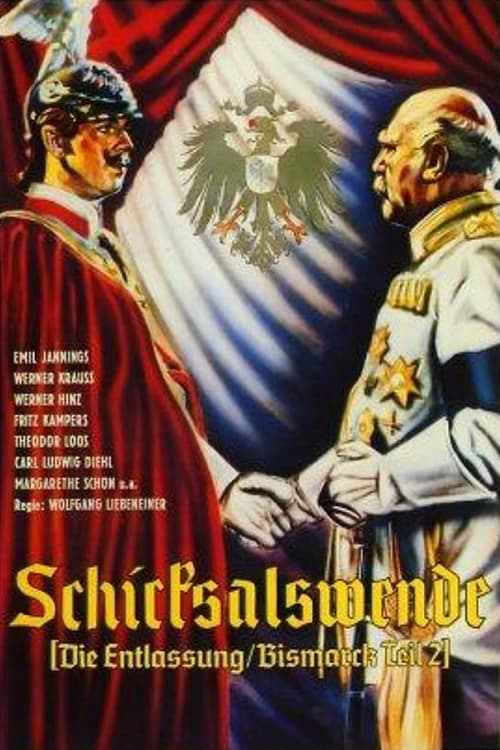
1942

1973
No reviews yet. Be the first to share your thoughts on this movie!
Use the rating form above to leave a star rating and optional review.