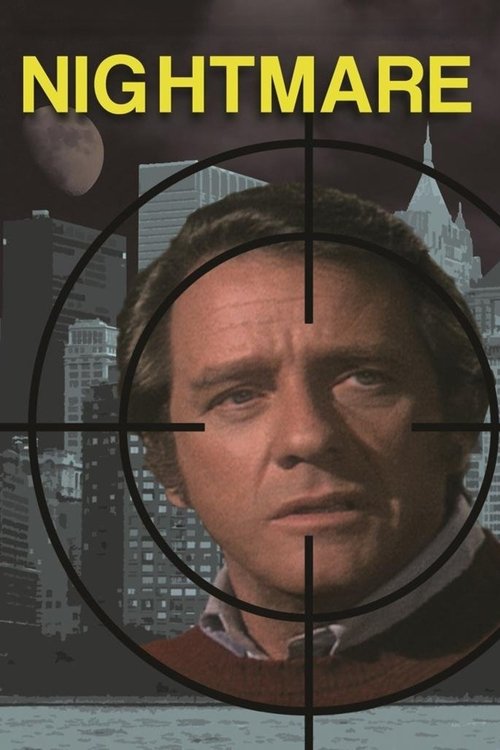
Nightmare
1974
No user ratings available yet
Representation score: 1.4 out of 10
Representation Score
Minimal
1974
PGDirector
Shaun O'Riordan
Runtime
71 minutes
Average Rating
No ratings yetNew Showbiz Analysis
This 1974 thriller is a conventional genre piece that emphasizes suspense over social commentary. While it centers on a female protagonist, the narrative relies heavily on traditional gendered peril and clichés common to the era. The film lacks multi-layered depth, offering no evidence of LGBTQ+ identities, racial diversity, or cultural critique. It adheres to the homogeneous casting and Western-centric frameworks typical of mid-70s television productions. Ultimately, the work serves as a standard suspense exercise rather than a vehicle for progressive representation or systemic commentary.
Category Breakdown
The film does not include any LGBTQ+ characters or stories about non-assuming gender matches what was assigned at birth identities. The plot revolves around a suspenseful conflict between a female protagonist and a threatening antagonist.
Ann Rogers embodies a strong female role as the main character. However, her actions often align with the 'final girl' stereotype, where her ability to act is shaped by the danger posed by male violence.
The story features a predominantly white cast with no indication of racial diversity. It follows the homogeneous casting practices typical of 1970s television thrillers.
The narrative operates within a conventional Western framework centered on individual survival. It does not address any cultural or religious critiques or social norms.
There are no characters with visible or invisible disabilities or neurodivergence in the story. The narrative does not include any representation of disability.
Present on Screen
Limited or Absent
Official Synopsis
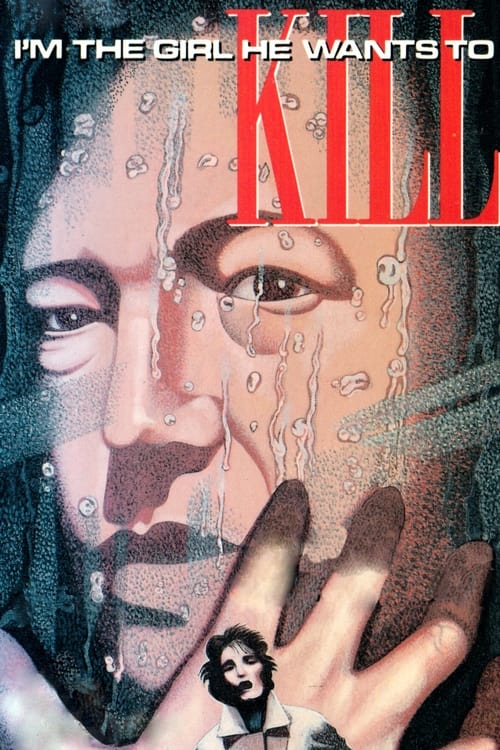
Returning home to her flat, Ann Rogers passes a stranger leaving the building. A few moments later she discovers her neighbor lying dead in the hallway, the latest victim of a serial killer. Ann could be able to identify the killer, but the killer also knows her face and knows he needs to silence the witness... TV episode from the series, "Thriller" was also released as feature film on home video starting in the 1980s.
1974
1980
2006
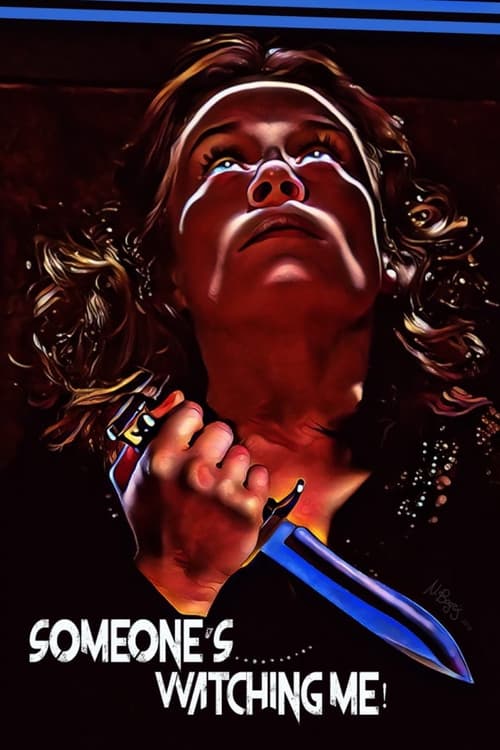
1978
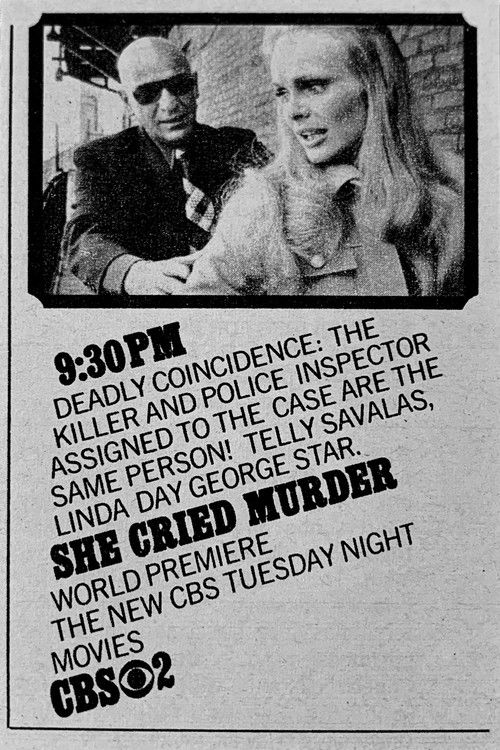
1973
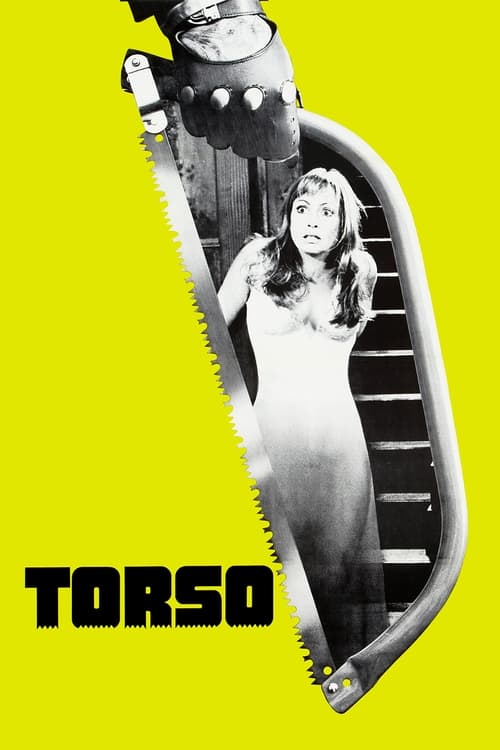
1973
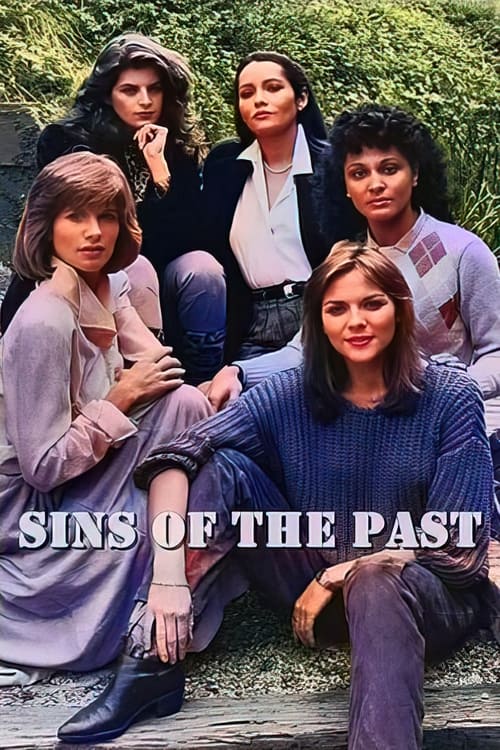
1984
1963
No reviews yet. Be the first to share your thoughts on this movie!
Use the rating form above to leave a star rating and optional review.