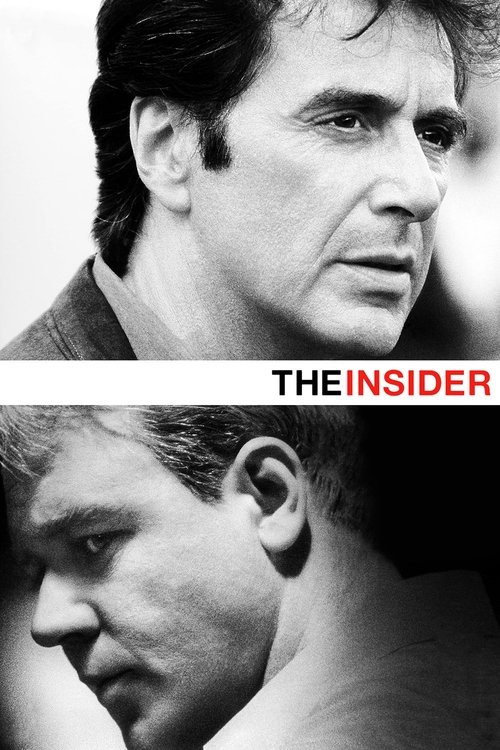
The Insider
1999
No user ratings available yet
Representation score: 1.8 out of 10

Representation Score
Fair
2002
RDirector
Daniel Algrant
Runtime
100 minutes
Average Rating
No ratings yetNew Showbiz Analysis
People I Know is a gritty crime drama that emphasizes atmospheric tension and character studies over progressive social representation. It deconstructs the polished celebrity archetype, presenting a morally ambiguous landscape of professional burnout. However, the film adheres to conventional genre clichés and lacks the intentionality needed to move beyond traditional casting patterns or to offer a systemic critique of the social structures it depicts. Ultimately, the narrative focuses on individual dysfunction within high-society circles rather than diverse or perspectives that reflect multiple aspects of identity.
Category Breakdown
The film centers on transactional and chaotic relationships among main characters. It does not explicitly represent non-binary or non-cisgender identities, focusing instead on dysfunctional romantic and sexual dynamics.
Jilli Hopper is portrayed as a quick-witted, high-stakes figure with a nuanced perspective. However, the plot remains male-dominated, often depicting women through clichés such as the troubled starlet or femme fatale.
The cast includes actors of various ethnicities, but the narrative remains focused on a predominantly white, high-society setting in New York. Non-white characters do not drive the plot.
The story critiques the successful professional archetype through Eli Wurman's struggles with addiction and burnout. It portrays the corruption of Western media and politics as symptoms of both personal and systemic decay.
Themes of chemical dependency and addiction are central to the plot. These are treated as character flaws or lifestyle issues rather than as meaningful explorations of neurodivergence or disability.
Present on Screen
Limited or Absent
Official Synopsis
A New York press agent must scramble when his major client becomes embroiled in a huge scandal.
1999
1996

2016
1996

2012
1997

2005

2005
No reviews yet. Be the first to share your thoughts on this movie!
Use the rating form above to leave a star rating and optional review.