Las hijas del Amapolo
1962
No user ratings available yet
Representation score: 3.5 out of 10
Representation Score
Limited
1958
Director
Rafael J. Salvia
Runtime
83 minutes
Average Rating
No ratings yetNew Showbiz Analysis
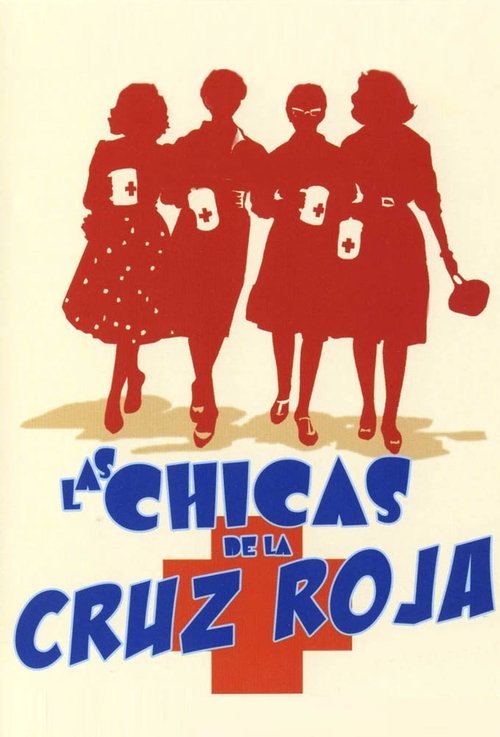
Red Cross Girls is a period-typical social comedy that prioritizes class dynamics and romantic interests over progressive representation. The film functions as a window into mid-century Spanish social structures, emphasizing traditional values and conventional morality. The narrative centers on four women from different socioeconomic backgrounds, yet their identities are largely defined by their social strata and their relationships with men. This focus limits the depth of character's ability to drive the story beyond social and romantic outcomes. Ultimately, the film lacks complexity in reflecting multiple aspects of identity. It operates within the demographic and social homogeneity of the late 1950s, favoring established social hierarchies and traditional gender roles.
Category Breakdown
The film focuses on the romantic pursuits of four protagonists who are sought by many young men. There is no evidence of LGBTQ+ identities or narratives that challenge traditional assumptions about sexuality.
The story centers on four women whose ability to act appears tied to their social standing and desirability to men. The narrative likely reinforces traditional 1950s gender roles through these romantic lenses.
The narrative explores social stratification within a specific cultural milieu. There is no indication of a multi-ethnic cast, focusing instead on class distinctions within a likely homogeneous demographic.
The premise celebrates conventional civic duty and community service through the Red Cross. The film aligns with traditional institutional values and the social cohesion typical of its era.
The available information provides no mention of characters with visible or invisible disabilities. Consequently, no assessment of representation in this category can be made.
Present on Screen
Limited or Absent
Official Synopsis
Paloma, Isabel, Marion and Julia Madrid are four girls belonging to different social strata, who are preparing to apply for the Red Cross on the flag. The four girls will be sought by many young ...
1962
1992
1950
1959
1971
1939

1982
1955
No reviews yet. Be the first to share your thoughts on this movie!
Use the rating form above to leave a star rating and optional review.