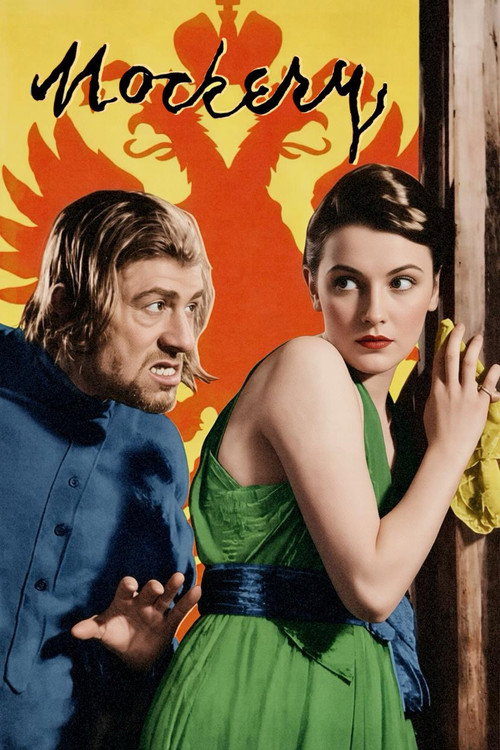
Mockery
1927
No user ratings available yet
Diversity score: 4.4 out of 10
1930
Director
Yevgeni Chervyakov
Runtime
81 minutes
Average Rating
No ratings yetSynopsis
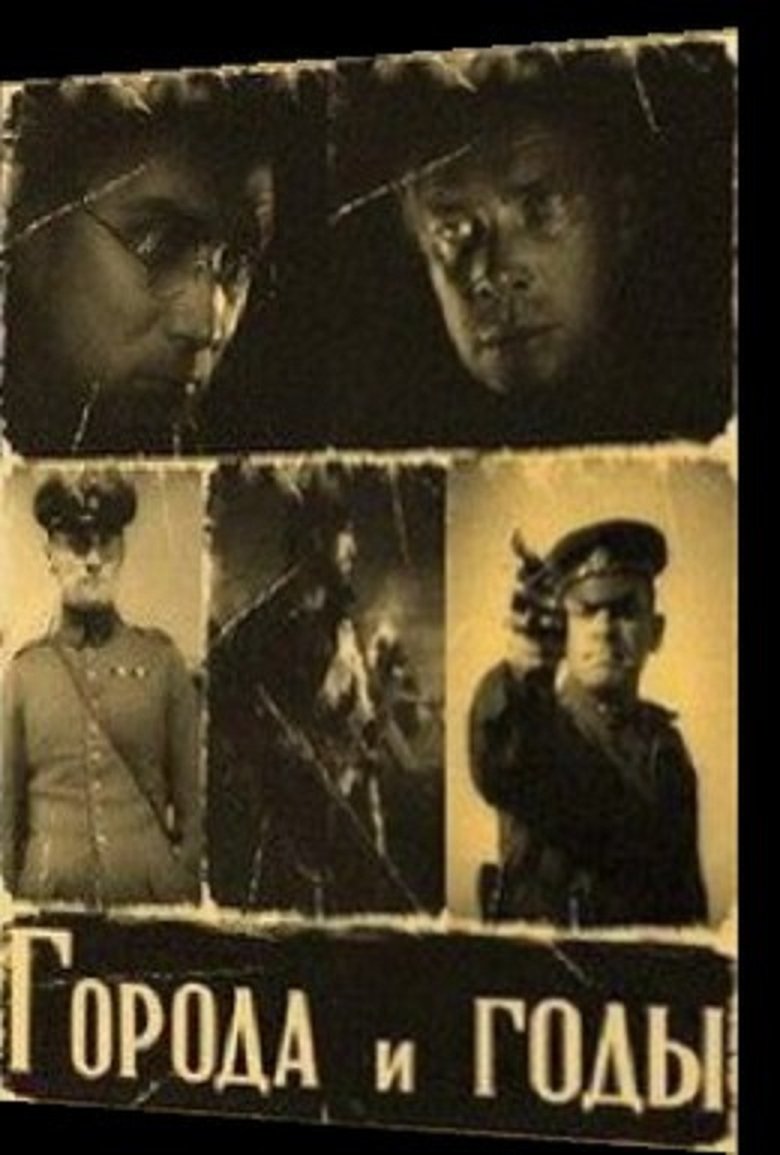
The last and only surviving (partially lost) silent film by director and actor Yevgeny Chervyakov. The film adaptation is distinguished by the accuracy of the psychological characteristics of the numerous characters, the detail of everyday sketches of life in Germany and Russia, and the conveyance of the atmosphere of the events of the First World War and the Civil War.
Overall Score
Fair
Category Breakdown
LGBTQ+ Representation
The film contains no documented evidence of queer narratives or non-cisnormative identities. It prioritizes macro-scale historical shifts over individual identity politics.
Gender Representation
The narrative focuses heavily on geopolitical and military shifts. The setting emphasizes traditional masculine roles in combat and leadership, reflecting the era's social constraints.
Racial & Ethnic Diversity
The film covers both Germany and Russia during a period of intense ethnic friction. This geographic scope moves the narrative beyond a singular Anglo-centric perspective.
Religious & Cultural Diversity
The film aligns with anti-capitalist and anti-Western critiques inherent to 1930s Soviet cinema. It explores the systemic collapse of traditional Western institutions and old-world orders.
Disability Representation
There is no verifiable evidence regarding the portrayal of physical or neurodivergent characters in the surviving fragments of the film.
Strengths
Areas for Improvement
AI Analysis
Cities and Years functions as a historical study of the transition between the First World War and the Russian Civil War. It excels at capturing the psychological depth of individuals caught in systemic upheaval and the atmosphere of a collapsing old world. The film's strength lies in its ability to deconstruct traditional Western hegemony and imperialist frameworks. By focusing on the friction between European and Russian spheres, it offers a perspective that challenges singular, Western-centric historical narratives. However, the work lacks contemporary markers of identity-based representation. The focus remains on collective social shifts and military history rather than specific explorations of LGBTQ+ identities or disability.
1927
1932
1930
1926
1937
1963
1951
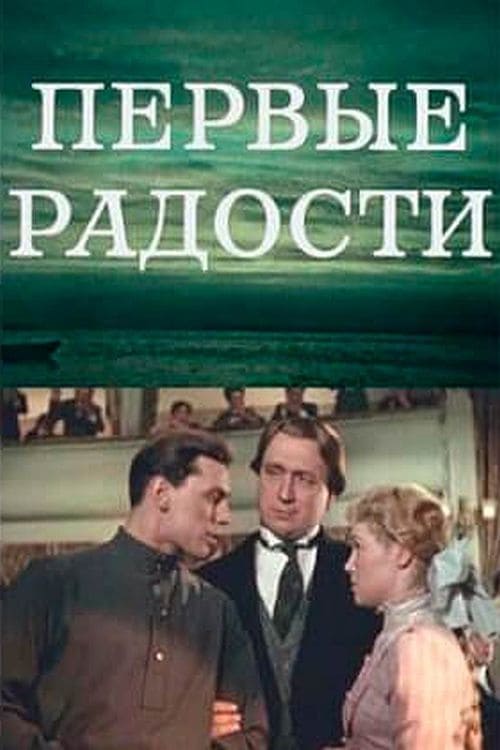
1956
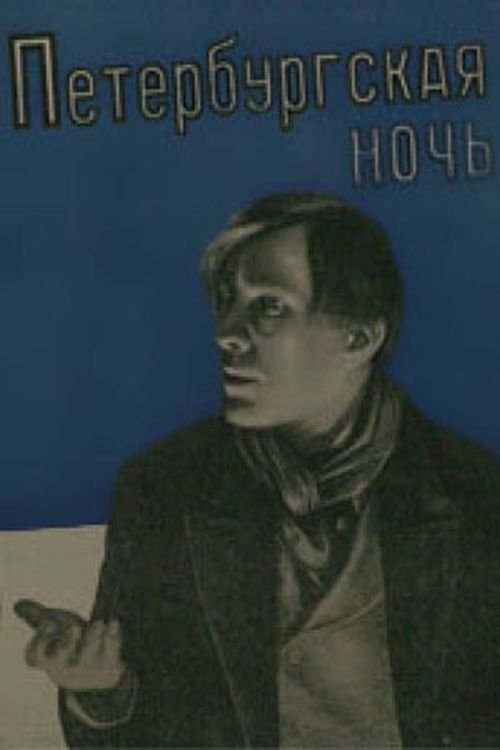
1934
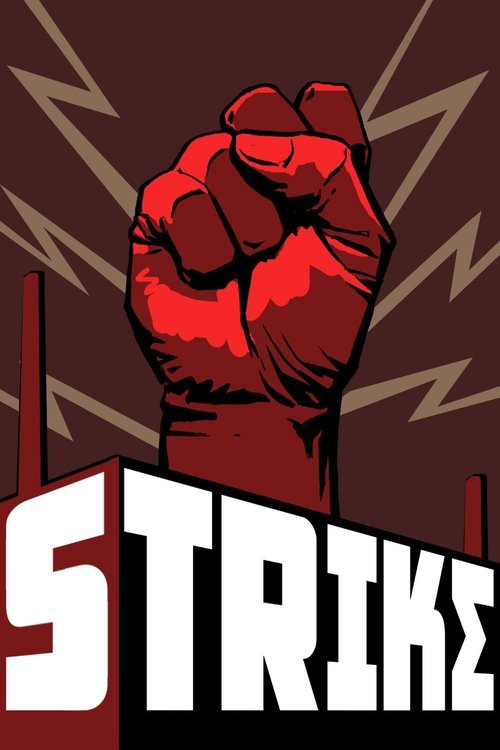
1925

1927
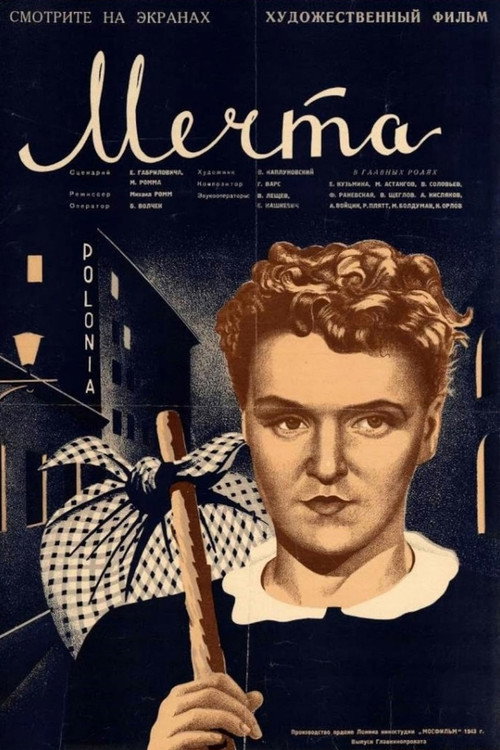
1943
No reviews yet. Be the first to share your thoughts on this movie!
Use the rating form above to leave a star rating and optional review.