
School Life
2019
No user ratings available yet
Representation score: 6.7 out of 10
Representation Score
Limited
2017
PG-13Director
Nicolas Vanier
Runtime
116 minutes
Average Rating
No ratings yetNew Showbiz Analysis
School of Life is a period drama that emphasizes historical authenticity and pastoral aesthetics, focusing on the demographics of its 1930s setting. It prioritizes local French provincial life over contemporary characters who reflect more than one aspect of diversity. The film offers meaningful character development through its female leads, emphasizing interpersonal dynamics and connections to nature. However, it stays within conventional social hierarchies and does not challenge the racial or gendered status quo of the time. Ultimately, the film presents a traditional view of society without making intentional efforts to address multi-layered issues.
Category Breakdown
The film follows the straight-centered norms of 1930s France, with no indication of LGBTQ+ identities or same-sex relationships.
Célestine showcases emotional intelligence and plays a significant role in driving the story, while Borel embodies traditional masculinity. The film maintains the power dynamics typical of the era without challenging gender hierarchies.
The cast is primarily white, reflecting the demographics of the 1930s Sologne region. The film does not include diverse ethnic backgrounds or perspectives that reflect multiple aspects of identity.
The story contrasts urban institutions with the natural world, presenting a romanticized view of rural life without deconstructing Western social orders.
The film does not depict any visible or invisible disabilities. Character struggles center around social displacement and emotional adaptation.
Present on Screen
Limited or Absent
Official Synopsis
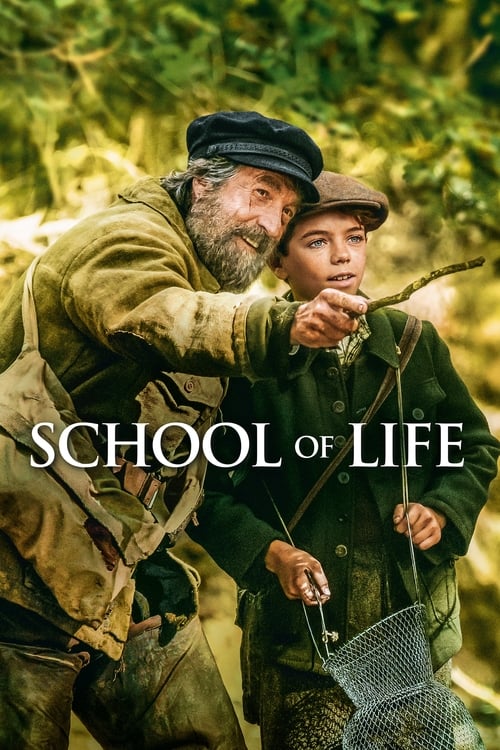
Paris 1930. Paul has only ever had one and the same horizon: the high walls of the orphanage, an austere building in the Parisian working class suburbs. Entrusted to a joyful country woman, Célestine, and her husband, Borel, the rather stiff gamekeeper of a vast estate in Sologne, the city child, recalcitrant and stubborn, arrives in a mysterious and disturbing world, that of a sovereign and wild region. The huge forest, misty ponds, heaths, and fields all belong to the Count de la Fresnaye, an elderly taciturn man who lives alone in his manor.
2019
1990

1999
2008
2008
2005
1967
2021
No reviews yet. Be the first to share your thoughts on this movie!
Use the rating form above to leave a star rating and optional review.