
Doctor Who: The Power of the Daleks
1966
No user ratings available yet
Representation score: 2.0 out of 10
Representation Score
Fair
1976
Director
Christopher Barry
Runtime
100 minutes
Average Rating
No ratings yetNew Showbiz Analysis
The film stands out for its strong female characters who challenge traditional gender roles. However, its 1970s context limits its cultural depictions to era-specific stereotypes. The absence of LGBTQ+ or disability representation affects the overall diversity score.
Category Breakdown
The film does not include any LGBTQ+ characters or explore non-straight relationships.
Leela and Sarah Jane Smith demonstrate strong female leadership. They act as capable warriors and investigators, challenging traditional gender roles.
The inclusion of the Sevateem tribe adds cultural depth, but the portrayal relies on era-specific stereotypes and lacks a diverse cast.
Leela’s skeptical views on tribal traditions highlight ethical conflicts between preserving social structures and pursuing power.
The film does not explicitly represent physical or neurodivergent disabilities. The disembodied brain of Morbius is used as a sci-fi device rather than a meaningful exploration of disability.
Present on Screen
Limited or Absent
Official Synopsis
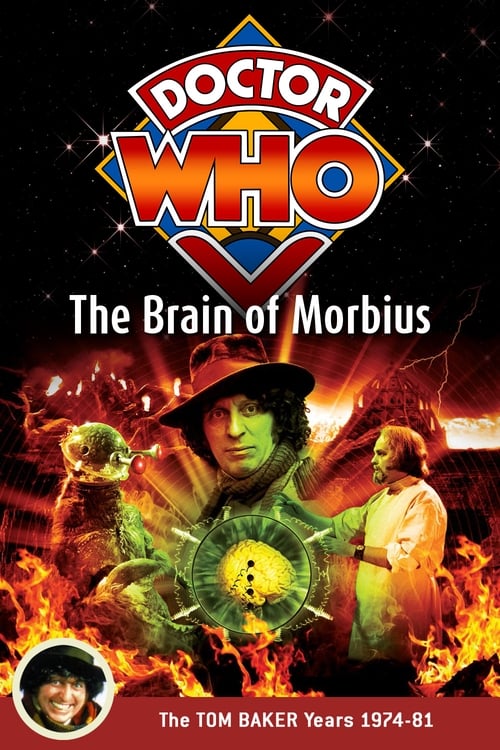
Mad scientist Mehendri Solon is building a body from spare parts to house the disembodied brain of the evil Time Lord Morbius. He fancies the Doctor's head as the final piece...
1966

1958

1976

1971
1972
1975

1977
1987
No reviews yet. Be the first to share your thoughts on this movie!
Use the rating form above to leave a star rating and optional review.