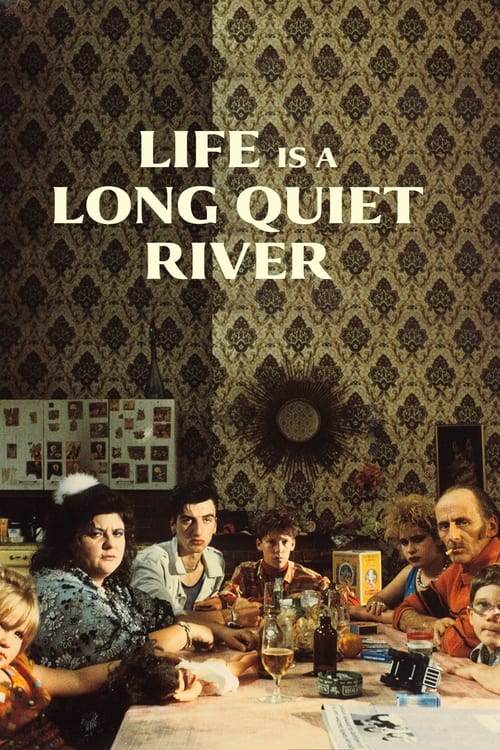
Life Is a Long Quiet River
1988
No user ratings available yet
Representation score: 4.9 out of 10

Representation Score
Fair
2017
Director
Anika Decker
Runtime
100 minutes
Average Rating
No ratings yetNew Showbiz Analysis
High Society primarily functions as a social commentary on class stratification. By using the 'switched at birth' cliché, the film explores how different social backgrounds shape individual identity and ability to act. The narrative successfully centers female protagonists, providing a platform for female-driven storytelling. However, the film lacks specific evidence of multi-layered complexity or diverse identity-based representation. While the film critiques rigid social structures, it remains a moderate entry in terms of progressive representation, focusing more on systemic class critique than on specific underrepresented identities.
Category Breakdown
The film does not include explicit representations of LGBTQ+ identities or same-sex intimacy. The story focuses on class-based social dynamics.
The story centers on female protagonists, moving away from traditional male-centric storytelling. This structure highlights the lived experiences of women.
The birth-switch premise serves as a metaphor for systemic inequality. While specific racial identities are not confirmed, the story explores how social strata influence identity.
The plot critiques Western social hierarchies and inherited status. By disrupting established classes, the film frames traditional institutions as arbitrary or exclusionary.
There is no evidence of characters with visible or invisible disabilities within the narrative.
Present on Screen
Limited or Absent
Official Synopsis
Two girls from very different social backgrounds discover, at the age of 25, that they had been switched at birth.
1988

2007

2020

1995

2023

2017

2014
1988
No reviews yet. Be the first to share your thoughts on this movie!
Use the rating form above to leave a star rating and optional review.