
Wonderful and Loved by All
2007
No user ratings available yet
Diversity score: 5.5 out of 10

2017
Director
Lola Randl
Runtime
94 minutes
Average Rating
No ratings yetOverall Score
Fair
Category Breakdown
LGBTQ+ Representation
The film focuses on interpersonal infidelity and psychological duality rather than queer identities. It lacks explicit LGBTQ+ characters or critiques of heteronormativity.
Gender Representation
Luisa disrupts domestic hierarchies by destabilizing her marriage through emotional detachment. The doppelgänger device explores the tension between performative femininity and repressed desire.
Racial & Ethnic Diversity
The narrative appears to be a localized, Eurocentric psychological drama. There is no evidence of a diverse cast or race-based thematic pillars.
Religious & Cultural Diversity
The story critiques Western institutions like the nuclear family and marriage. It prioritizes individual psychological truth over the stability of traditional social roles.
Disability Representation
The film uses a doppelgänger to explore themes of dissociation and identity fragmentation. It treats the protagonist's mental burnout as a central narrative driver.
Strengths
Areas for Improvement
AI Analysis
The film functions as a character study that prioritizes psychological fragmentation over broad demographic visibility. It succeeds in deconstructing the traditional Western family unit by centering on a woman's refusal to adhere to conventional domestic roles. While the narrative offers a nuanced look at internal mental struggles and identity, it remains largely Eurocentric. The lack of racial and LGBTQ+ representation limits its scope within a broader global context. Ultimately, the work is a study of moral relativism and agency, using a fractured protagonist to challenge the stability of modern social structures.
2007

2018

2017

2017

2017

2013

2020

2026

2012
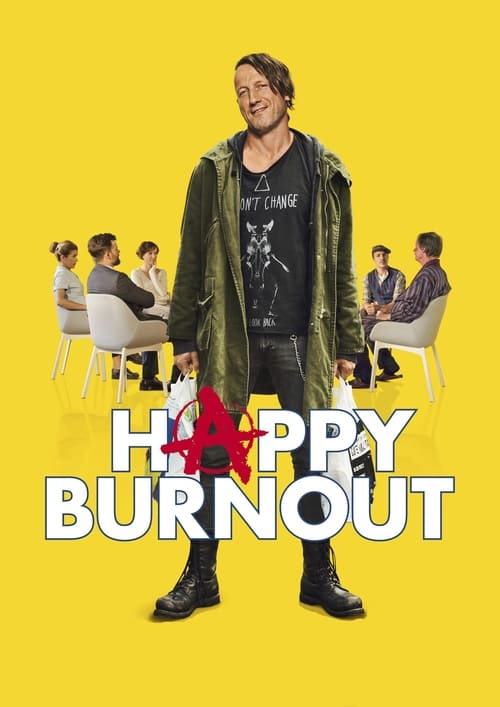
2017

2014

2020
No reviews yet. Be the first to share your thoughts on this movie!
Use the rating form above to leave a star rating and optional review.